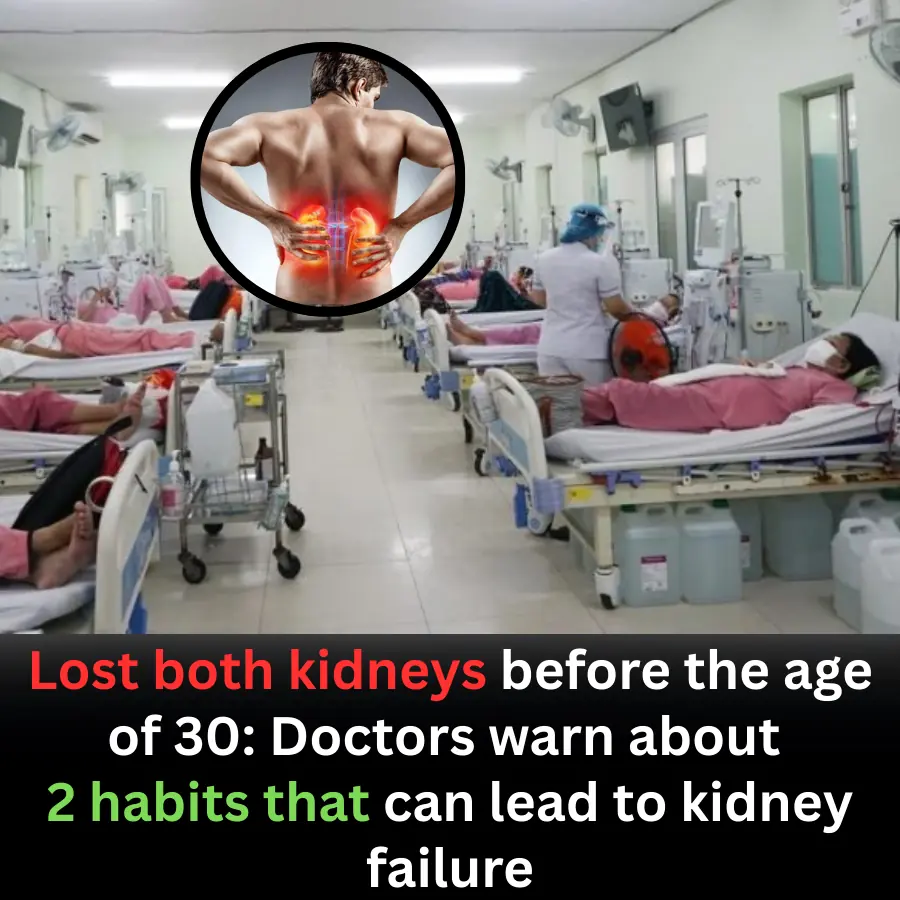
Losing Both Kidneys Before 30: A Wake-Up Call About Kidney Health
Kidney disease is no longer a condition seen only in older adults. In recent years, doctors have reported a growing number of young patients under 30 developing severe kidney damage, some even progressing to end-stage kidney failure and losing the function of both kidneys.
According to nephrology specialists, the cause is often not genetic, but linked to long-term lifestyle habits that many young people consider harmless.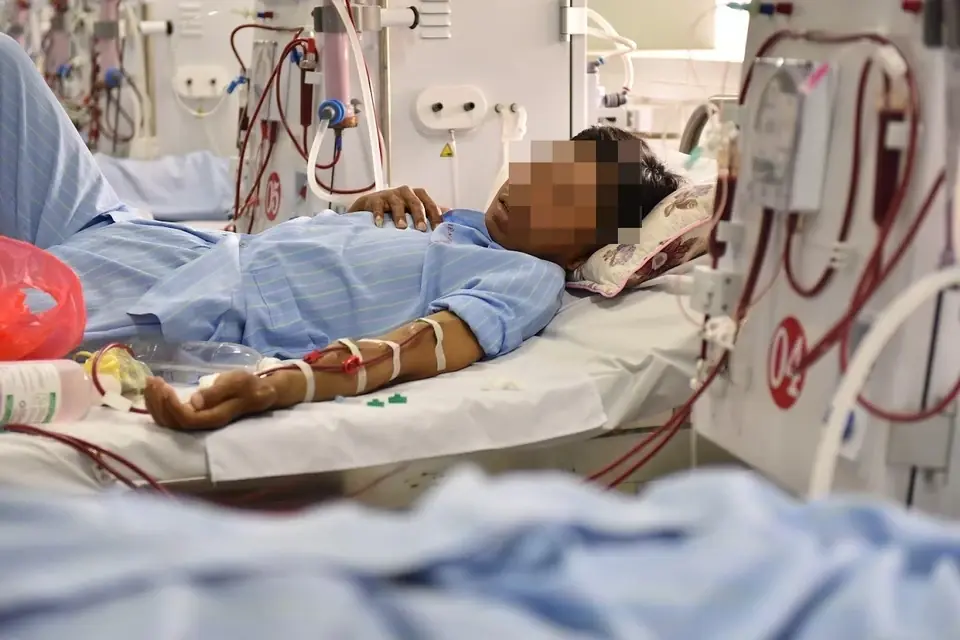
Habit 1: Chronic Dehydration and Holding in Urine
One of the most common risk factors is not drinking enough water and frequently delaying urination due to work, gaming, studying, or long phone use.
When the body is dehydrated:
-
Blood becomes more concentrated
-
Kidney filtration efficiency decreases
-
Waste products accumulate more easily
Over time, this can increase the risk of kidney stones, urinary tract infections, and chronic kidney damage. Repeated infections or obstruction can silently destroy kidney tissue without obvious pain in the early stages.
Habit 2: Overuse of Painkillers and Supplements
Doctors also warn about the frequent, unsupervised use of painkillers, especially non-steroidal anti-inflammatory drugs (NSAIDs), as well as herbal products or supplements advertised as “energy boosters” or “detox remedies.”
Long-term or high-dose use can:
-
Reduce blood flow to the kidneys
-
Damage kidney filtering units (nephrons)
-
Accelerate progression to kidney failure
Many young patients are unaware of the risks because these products are easily available without prescriptions.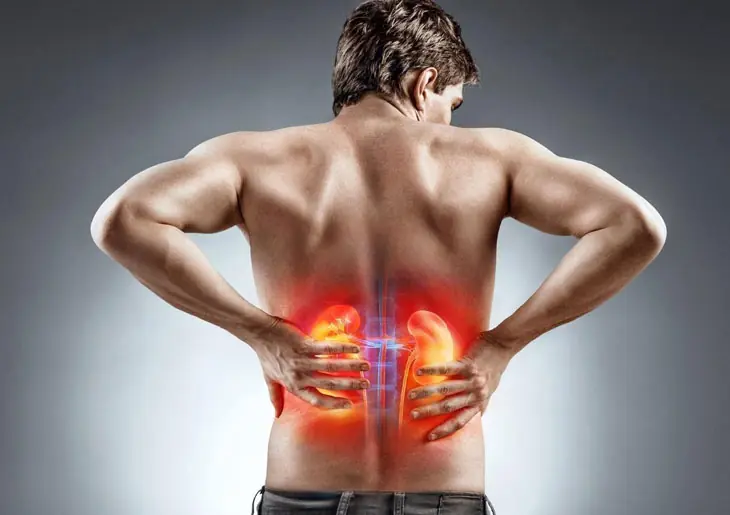
Why Kidney Damage Is Often Detected Too Late
Kidneys are known as “silent organs.” In early stages, kidney disease may show no obvious symptoms. By the time warning signs such as swelling, fatigue, or abnormal urination appear, damage may already be severe and irreversible.
In extreme cases, patients may require lifelong dialysis or kidney transplantation.
How to Protect Your Kidneys Early
Doctors recommend several simple but crucial steps:
-
Drink adequate water throughout the day
-
Avoid holding urine for long periods
-
Use painkillers only when necessary and under medical guidance
-
Be cautious with supplements and herbal products
-
Have routine health check-ups, especially if experiencing fatigue or urinary changes
A Final Warning
Losing kidney function at a young age is life-changing—but in many cases, it is preventable. Medical experts stress that awareness and early lifestyle changes are the most effective ways to protect kidney health before it is too late.