Can Certain Foods Help Your Body Fight Cancer? What Science Really Says
You may have seen headlines claiming that cancer “dies” when you eat certain foods. While this idea is not medically accurate, research does show that some foods can support the body’s natural defenses, reduce inflammation, and lower cancer risk over time.
Cancer is complex. No single food can cure it. However, long-term dietary patterns can influence how the body responds to abnormal cell growth. Understanding this difference is crucial.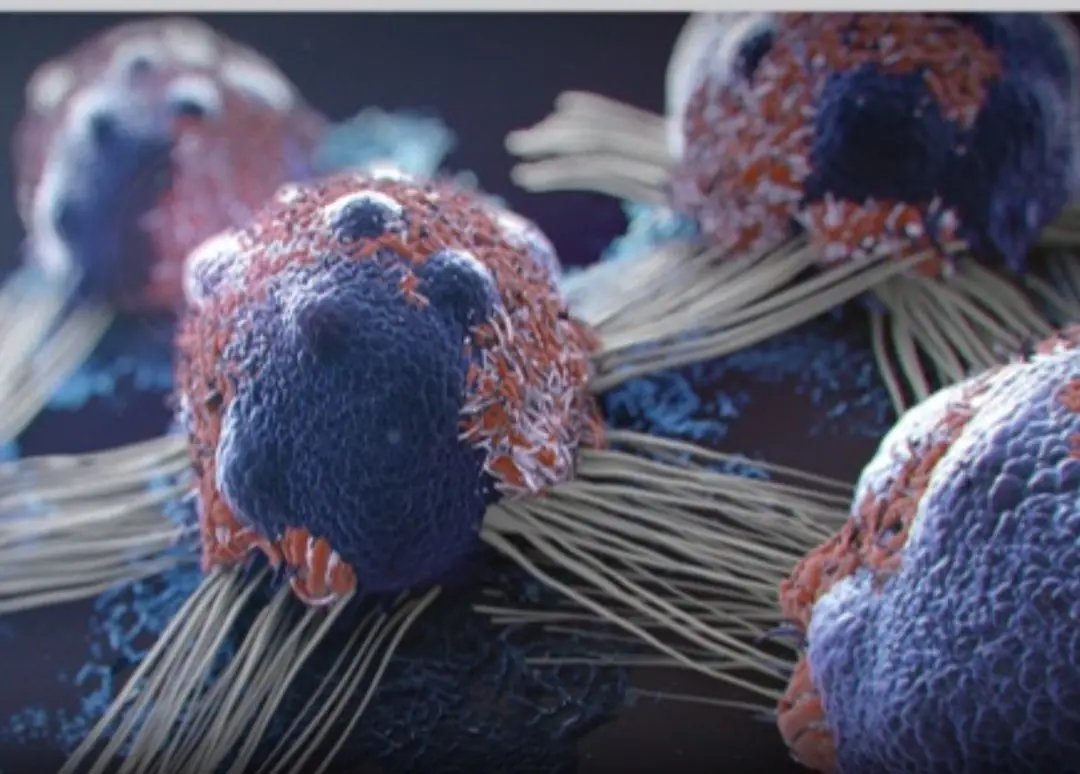
What Food Can — and Cannot — Do
Let’s be clear first.
Food CANNOT
-
Cure cancer on its own
-
Replace medical treatment
-
Kill cancer cells instantly
Food CAN
-
Reduce chronic inflammation
-
Support immune function
-
Limit conditions that help cancer grow
-
Lower the risk of certain cancers
-
Support recovery and overall health
Nutrition works with the body, not as a miracle drug.
Why Diet Matters in Cancer Prevention and Support
Cancer cells thrive in environments with:
-
Chronic inflammation
-
Insulin resistance
-
Oxidative stress
-
Weak immune surveillance
Certain foods help counter these conditions by:
-
Providing antioxidants
-
Supporting gut health
-
Regulating blood sugar
-
Reducing harmful metabolic signals
Over time, this can make the body less hospitable to cancer development.
8 Foods Commonly Studied for Cancer-Supportive Properties
1. Cruciferous Vegetables
Examples: broccoli, cauliflower, cabbage, kale
These vegetables contain compounds that help the body neutralize harmful substances and support detoxification pathways.
2. Berries
Examples: blueberries, strawberries, raspberries
Berries are rich in antioxidants that help protect cells from DNA damage caused by oxidative stress.
3. Garlic and Onions
These foods contain sulfur compounds that support immune function and may help regulate abnormal cell behavior.
4. Fatty Fish
Examples: salmon, sardines, mackerel
Omega-3 fatty acids help reduce inflammation, which plays a role in many chronic diseases, including cancer.
5. Green Tea
Green tea contains polyphenols that have been widely studied for their role in cellular protection and metabolic regulation.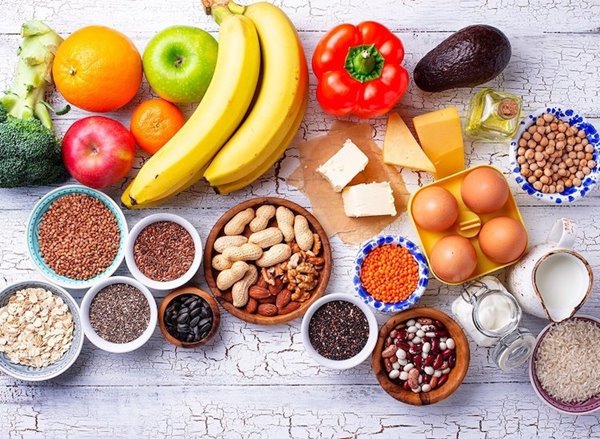
6. Tomatoes
Cooked tomatoes are rich in lycopene, an antioxidant associated with reduced risk of certain cancers.
7. Whole Grains and Legumes
Fiber supports gut health, improves insulin sensitivity, and helps remove waste products from the digestive tract.
8. Nuts and Seeds
Examples: walnuts, flaxseeds, chia seeds
These provide healthy fats, antioxidants, and compounds that support cellular health.
Why Headlines Oversimplify the Message
Claims like “cancer dies when you eat these foods” are misleading because they:
-
Oversimplify a complex disease
-
Create false hope
-
Distract from early detection and treatment
However, the core idea behind these headlines is not completely wrong. Diet does influence cancer risk and progression — just not in an instant or isolated way.
Who Benefits Most From a Cancer-Supportive Diet?
Research suggests benefits for:
-
People at high risk of cancer
-
Cancer survivors
-
Individuals with chronic inflammation
-
Those with obesity or metabolic syndrome
-
People seeking prevention
Dietary changes are most effective when started before disease becomes advanced.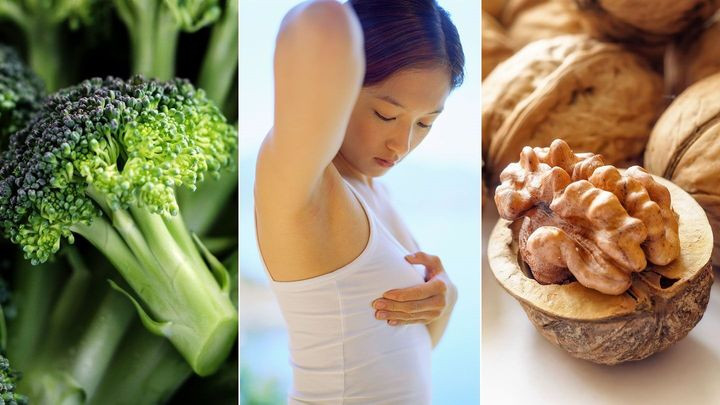
What Matters More Than Any Single Food
Doctors and nutrition scientists agree that patterns matter more than individual items.
Key principles include:
-
Eating mostly whole, unprocessed foods
-
Limiting added sugar and ultra-processed foods
-
Maintaining a healthy weight
-
Staying physically active
-
Avoiding smoking and excess alcohol
No “superfood” can undo unhealthy habits.
What To Do If You Are Concerned About Cancer
If cancer is a concern:
-
Follow recommended screenings
-
Do not delay medical evaluation
-
Use nutrition as a supportive tool, not a substitute
-
Discuss dietary changes with healthcare professionals
Early detection saves more lives than any food ever could.
Final Thoughts
Food does not kill cancer — but it can help your body become stronger, more resilient, and better protected over time. Nutrition influences inflammation, immunity, and metabolic health, all of which play roles in cancer development and recovery.
The real power of these foods lies not in dramatic claims, but in consistent, long-term support for your body’s natural defenses.
Health is not built overnight. It is built meal by meal, habit by habit, year by year.