“Remove This From Your Room Immediately”? The Truth Behind Lung Cancer Fear Headlines
Images warning people to “remove this from your room immediately” to avoid lung cancer are spreading rapidly on social media. These posts often circle an everyday object placed next to a bed—such as a speaker, smart device, air purifier, or electronic appliance—and suggest it emits something dangerous while you sleep.
The message is designed to shock. But does it reflect real medical science?
The short answer: no.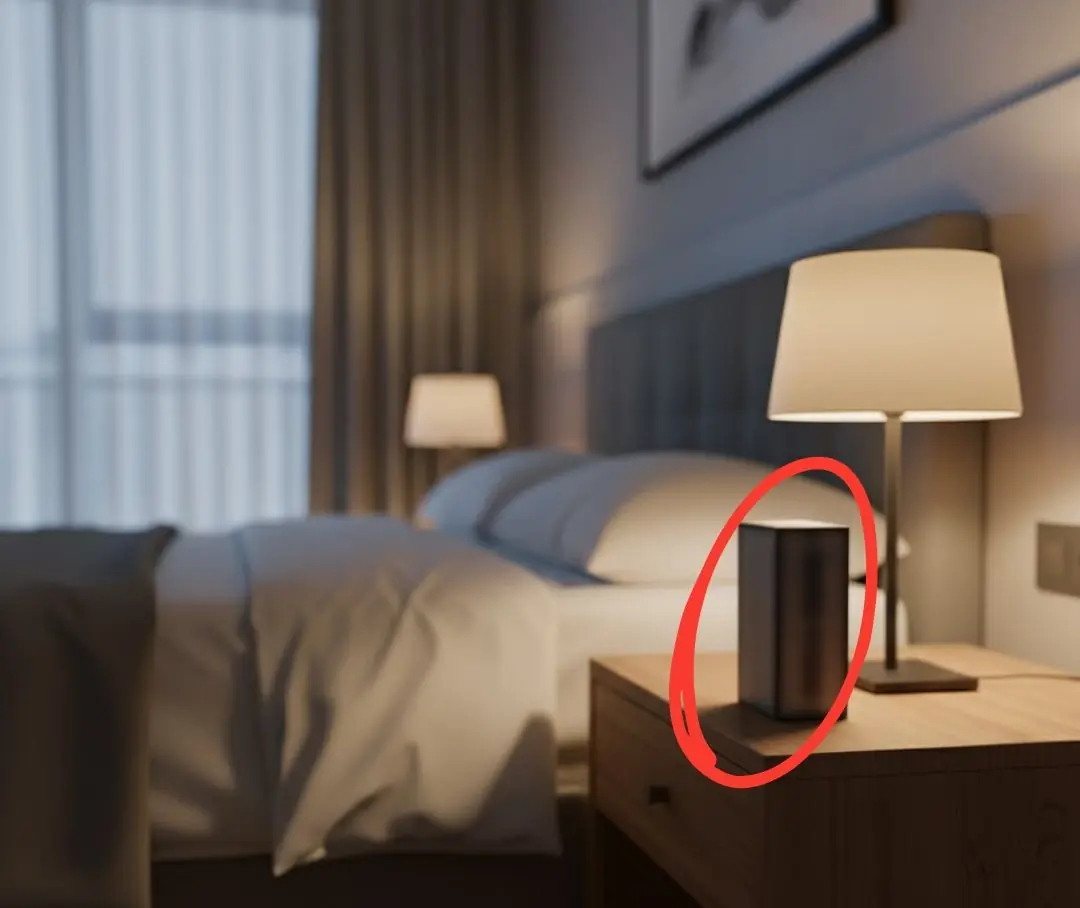
Why These Posts Go Viral
Fear-based health content spreads quickly because it targets a universal concern—cancer. Lung cancer, in particular, triggers strong emotional reactions. When combined with vague claims and no clear explanation, the brain fills in the gaps with anxiety.
Most of these posts never identify:
-
What the object actually is
-
What substance it supposedly releases
-
How exposure occurs
-
What scientific evidence supports the claim
Instead, they rely on urgency and fear to drive clicks.
What Actually Causes Lung Cancer?
According to decades of medical research, the primary causes of lung cancer include:
-
Smoking (active and passive)
-
Long-term exposure to air pollution
-
Radon gas in poorly ventilated homes
-
Occupational exposure to asbestos or toxic chemicals
-
Genetic predisposition in some cases
Household electronics placed on a bedside table are not recognized risk factors for lung cancer by any major health organization.
Do Electronic Devices Emit Harmful Radiation?
Many posts imply that bedside devices emit “radiation” that causes cancer. This is misleading.
Common household electronics emit non-ionizing radiation, which:
-
Does not damage DNA
-
Does not cause cancer
-
Is considered safe at everyday exposure levels
This includes Wi-Fi routers, smart speakers, phones, lamps, and alarm clocks.
In contrast, cancer-causing radiation (ionizing radiation) comes from sources like X-rays, gamma rays, or radioactive materials—not bedside electronics.
What About Air Quality in the Bedroom?
While the device itself is not the problem, air quality does matter.
Poor indoor air can contribute to respiratory irritation and long-term health issues if caused by:
-
Smoking indoors
-
Mold growth
-
Poor ventilation
-
Radon gas accumulation
-
Burning incense or candles excessively
If a bedroom feels stuffy or smells unpleasant, the solution is better ventilation, not removing harmless electronics.
Why Lung Cancer Is Often Misunderstood
One reason these claims sound believable is that lung cancer can develop silently for years. Symptoms often appear late, making people search for hidden causes in daily life.
However, scientific evidence consistently points to long-term, cumulative exposure to known toxins—not a single object near a bed.
There is no credible study linking bedside electronics to lung cancer.
The Real Danger of Misinformation
False health claims can cause real harm by:
-
Creating unnecessary fear and anxiety
-
Distracting people from real risk factors
-
Encouraging unsafe behaviors (like unplugging medical devices or air purifiers)
-
Undermining trust in evidence-based medicine
When people focus on imaginary dangers, they may ignore real prevention strategies.
How to Actually Reduce Lung Cancer Risk
Evidence-based steps that do matter include:
-
Avoiding smoking and secondhand smoke
-
Testing homes for radon
-
Improving indoor ventilation
-
Reducing exposure to pollution when possible
-
Seeking medical advice for persistent cough or breathing issues
These actions have real, measurable benefits.
So, Should You Remove That Object?
If the object is:
-
A lamp
-
A speaker
-
A smart device
-
An alarm clock
-
A phone charger
There is no scientific reason to remove it out of fear of lung cancer.
The real issue is not what sits on your bedside table—but what you breathe, what you inhale, and what you expose your lungs to over time.
Final Thoughts
Health awareness is important. Fear-driven misinformation is not.
Before believing claims that something “causes cancer,” ask:
-
Where is the evidence?
-
Who is making the claim?
-
Does it align with established medical research?
Your health deserves facts—not panic.