Warning Signs of Late-Stage Nasopharyngeal Cancer You Should Never Ignore
Nasopharyngeal cancer is a dangerous disease that often develops silently in its early stages. Because its symptoms can resemble common ENT problems, many patients delay medical care—only to be diagnosed when the disease has already reached an advanced stage.
Doctors warn that recognizing certain abnormal signs early can be life-saving.
One Critical Warning Sign
One of the most alarming signals is persistent, unexplained swelling or lumps in the neck, often caused by enlarged lymph nodes. Unlike common infections, these lumps:
-
Do not disappear after several weeks
-
Are usually painless
-
May gradually increase in size
This symptom is frequently overlooked, yet it is one of the most common early indicators of nasopharyngeal cancer.
Other Symptoms That Require Immediate Medical Attention
In addition to neck lumps, patients may experience:
-
Persistent nasal congestion on one side
-
Frequent nosebleeds
-
Ringing in the ears or hearing loss
-
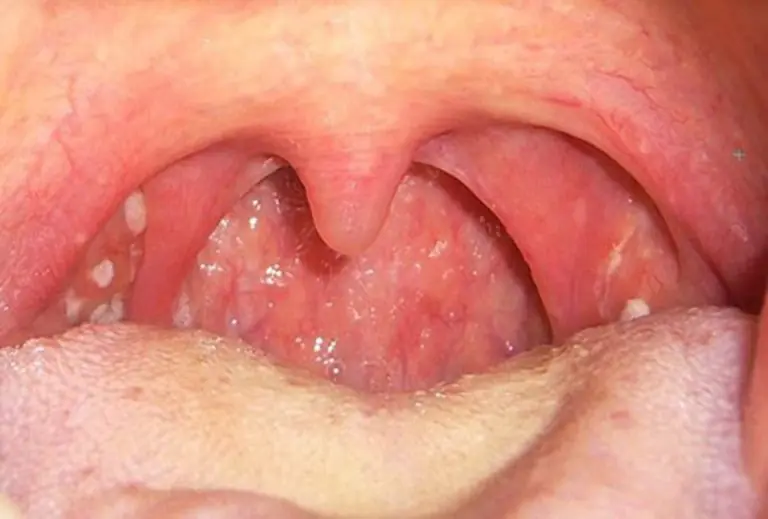
Chronic sore throat
-
Headaches that do not respond to medication
-
Difficulty swallowing or speaking
When these signs persist or worsen, they should never be dismissed as minor illnesses.
Why Early Detection Is Critical
Nasopharyngeal cancer responds much better to treatment when detected early. However, late-stage diagnosis significantly reduces survival rates and limits treatment options.
Medical experts stress:
“If symptoms persist for more than two weeks without improvement, seeing a doctor is not optional—it’s essential.”
Who Is at Higher Risk?
-
People with a family history of nasopharyngeal cancer
-
Individuals exposed to smoke, dust, or chemical fumes
-
Those who frequently consume preserved or salted foods
-
People with chronic ENT infections
Final Advice
If you or someone close to you notices persistent neck swelling or unusual ENT symptoms, seek medical evaluation immediately. Early action could mean the difference between timely treatment and late-stage diagnosis.
Ignoring the signs does not make them disappear—it only gives the disease time to progress.