Doctors Warn After Shocking Family Case: 4 Hidden Carcinogens Commonly Found in Kitchens
A recent medical case has raised serious concerns among health professionals after 8 out of 14 members of the same family were diagnosed with three different types of cancer over several years. While genetics may play a role, doctors involved in the investigation emphasized that long-term exposure to environmental and dietary risk factors—especially those inside the kitchen—cannot be ignored.
According to physicians, the family shared similar cooking habits, food storage methods, and daily diets for decades, which may have contributed to cumulative health risks.
Below are four hidden carcinogens commonly found in many kitchens, which doctors advise households to be especially cautious about.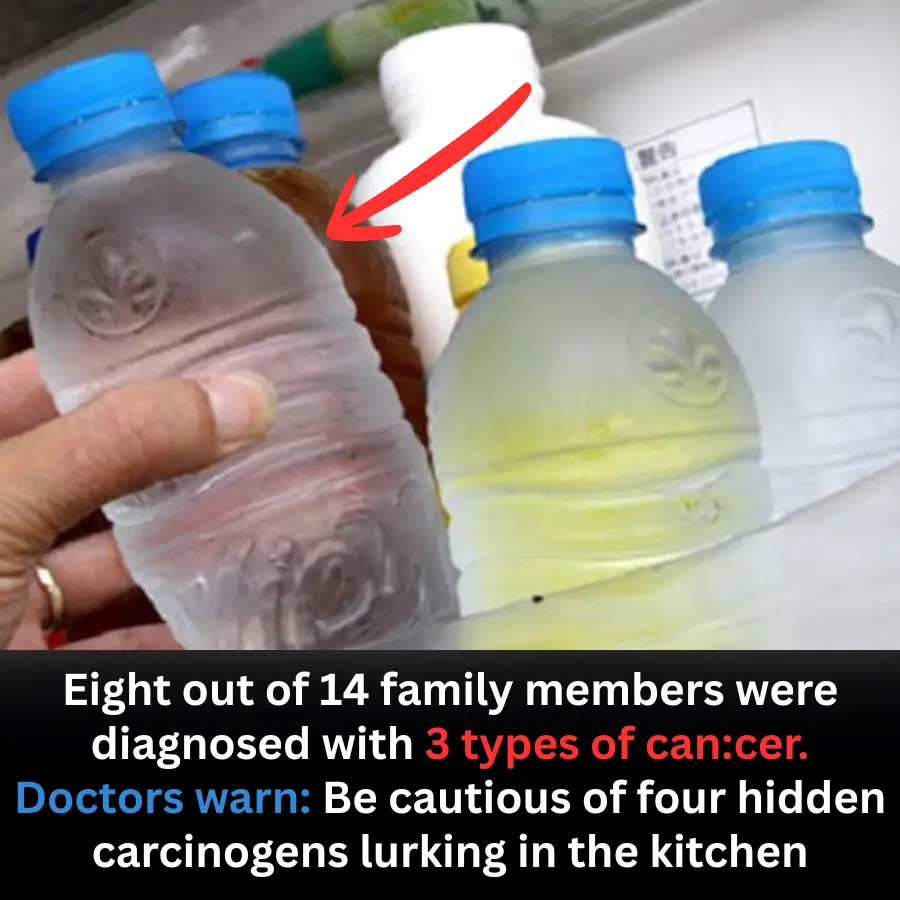
1. Overheated Cooking Oils
Repeatedly heating cooking oil to very high temperatures—especially oils not suitable for frying—can produce toxic compounds such as aldehydes and polycyclic aromatic hydrocarbons (PAHs).
Health risks:
-
Increased oxidative stress
-
Cellular DNA damage
-
Higher long-term cancer risk
Doctor’s advice:
Avoid reusing oil multiple times and choose oils with high smoke points for high-heat cooking.
2. Mold-Contaminated Food (Especially Grains and Nuts)
Foods such as rice, peanuts, corn, and spices can develop mold if stored improperly. Some molds produce aflatoxins, which are recognized as potent carcinogens, particularly harmful to the liver.
Health risks:
-
Strong association with liver cancer
-
Toxic even in small amounts
Doctor’s advice:
Discard any food with visible mold or musty odor. Never scrape off mold and continue eating.
3. Burnt or Charred Foods
Charred meat, blackened toast, or heavily grilled foods may contain heterocyclic amines (HCAs) and PAHs, both linked to increased cancer risk when consumed frequently.
Health risks:
-
DNA mutations
-
Increased risk of gastrointestinal cancers
Doctor’s advice:
Cook food at moderate temperatures and avoid eating burnt portions.
4. Plastic Containers Used for Hot Food
Using low-quality plastic containers or plastic wrap with hot food can release endocrine-disrupting chemicals such as BPA or phthalates.
Health risks:
-
Hormonal imbalance
-
Potential long-term cancer risk
Doctor’s advice:
Use glass, stainless steel, or ceramic containers for hot food and reheating.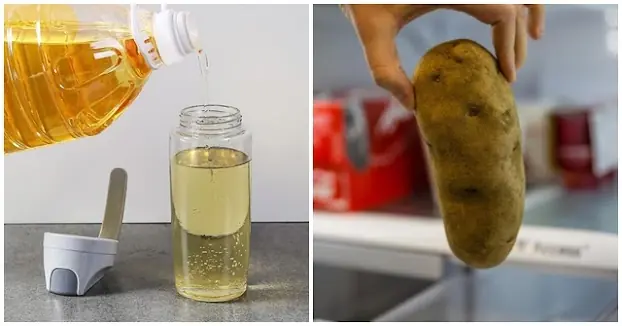
A Wake-Up Call for Every Household
Doctors stress that cancer rarely results from a single cause. Instead, it often develops after years of repeated exposure to multiple small risks. Kitchens, where families prepare and consume food daily, can become an overlooked source of harm if unsafe habits persist.
The key message from physicians is clear:
“You don’t need to live in fear—but you do need to cook, store, and eat more carefully.”
By making small changes in daily kitchen habits, families can significantly reduce long-term health risks and protect future generations.
Cancer prevention often starts at home—right in the kitchen.