Most People Just Add Water When Cooking Rice — But That’s a Common Mistake
Rice is one of the most basic foods in the world. Almost every household knows how to cook it, and most people believe the process is simple: add rice, add water, turn on the heat, and wait. However, if you have ever wondered why rice served in hotels or restaurants often tastes fluffier, cleaner, and more fragrant, the answer lies in a few small but important differences.
Hotels do not cook rice randomly. They follow methods designed to improve texture, flavor, and food safety.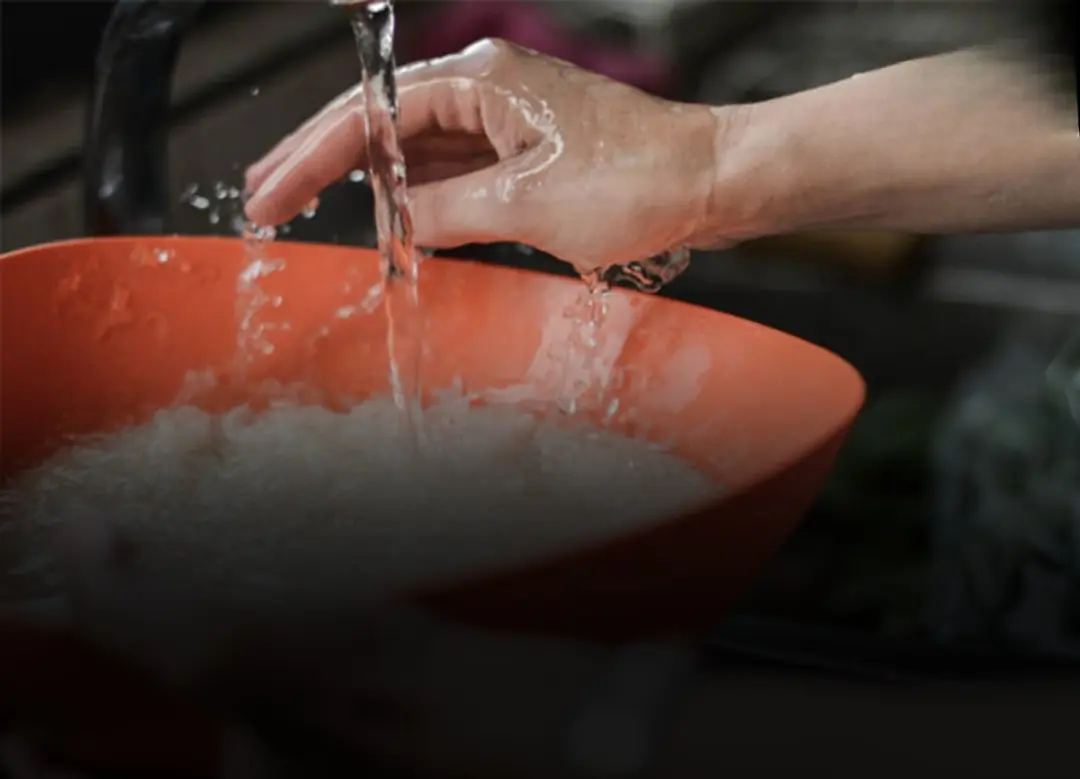
Why Simply Adding Water Isn’t Always Enough
When rice is harvested, processed, packaged, and transported, it can collect:
-
Excess surface starch
-
Dust and impurities
-
Trace residues from processing
If rice is cooked immediately without proper preparation, these substances remain. This often leads to:
-
Sticky or mushy rice
-
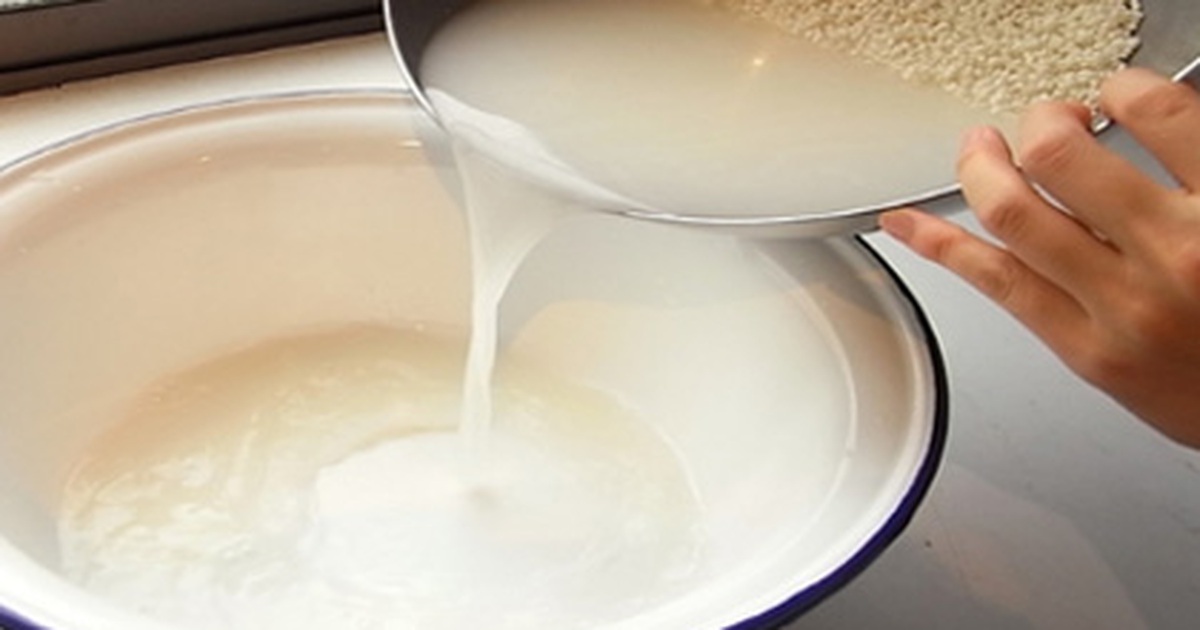
Cloudy cooking water
-
Uneven texture
-
A dull taste
This is why “just adding water” is not the best approach.
What Hotels Do Differently
Hotels focus on three key steps before and during cooking.
1. Washing Rice Thoroughly — But Gently
Professional kitchens always rinse rice before cooking. However, they do it the right way.
Instead of aggressively rubbing the grains, they:
-
Rinse rice 2–3 times
-
Swirl gently and drain the water
-
Stop once the water becomes mostly clear
This removes excess starch without breaking the grains. The result is rice that cooks evenly and remains fluffy instead of gummy.
2. Soaking Rice Before Cooking
This is one step many home cooks skip.
Hotels often soak rice for 20–30 minutes before cooking. Soaking allows the grains to absorb water gradually, which:
-
Shortens cooking time
-
Helps rice cook evenly from the inside
-
Improves texture
-
Reduces the risk of undercooked centers
For long-grain rice like jasmine or basmati, soaking also enhances aroma and grain separation.
3. Precise Water Ratios
Hotels do not rely on guesswork.
They adjust water levels based on:
-
Rice variety
-
Age of the rice
-
Cooking equipment
For example:
-
Jasmine rice usually needs about 1:1.2–1.5 rice-to-water ratio
-
Basmati rice often requires less water after soaking
Using too much water can make rice soggy, while too little can leave it hard and uneven.
Do Hotels Add Anything Else to Rice?
Contrary to popular myths, hotels do not secretly add chemicals or harmful substances.
In some cases, they may add:
-
A small amount of oil or butter to prevent sticking
-
A pinch of salt for flavor balance
These additions are minimal and used for consistency, not deception.
Why Hotel Rice Tastes Better
The difference is not about expensive ingredients. It comes down to:
-
Better preparation
-
Patience
-
Consistency
Washing removes excess starch. Soaking improves hydration. Precise water control ensures even cooking. Together, these steps create rice that looks better, tastes cleaner, and feels lighter.
Is Washing Rice Really Necessary?
Yes, especially for:
-
Packaged white rice
-
Imported rice
-
Rice stored for long periods
Washing reduces surface starch and improves final texture. However, rice should not be washed excessively, as over-washing may remove some water-soluble nutrients.
A Simple Hotel-Style Method You Can Try at Home

-
Measure the rice
-
Rinse gently 2–3 times
-
Soak for 20 minutes
-
Drain completely
-
Add the correct amount of fresh water
-
Cook with a tight lid and avoid stirring
Let the rice rest for 5 minutes after cooking, then fluff with a fork or rice paddle.
Final Thoughts
Cooking rice well is not about shortcuts. It is about understanding the grain.
Hotels do not rely on tricks — they rely on technique. By changing just a few habits, anyone can improve the quality of their rice at home.
Sometimes, better food does not come from adding more — it comes from doing things properly.