A weak toilet flush can be frustrating, inconvenient, and sometimes embarrassing - but in many cases, it’s not a serious problem. Before spending money on a technician, there are several simple checks and adjustments you can make yourself. With the right approach, these fixes can dramatically improve flushing power, sometimes by many times, in just a few minutes.
Below is a clear, step-by-step guide to help you identify the cause of a weak flush and restore your toilet’s performance safely and effectively.
1. Check the Flush Valve Response (Dual-Flush Toilets)
Most modern toilets use a dual-flush valve - one side for a full flush and the other for a partial flush. If this mechanism isn’t working properly, flushing power will be reduced.
What to Do
-
Remove the toilet tank lid carefully and place it somewhere safe
-
Locate the flush valve with two different openings
-
Press one side fully open and observe the flushing strength
-
Watch how far the water level drops in the tank:
-
A full flush should lower the water to about 3 cm above the bottom
-
A half flush should drain roughly half that amount
-
Once the tank refills, repeat the process with the other flush option and compare results.
What the Results Mean
-
No noticeable difference between flushes → The flush valve itself may be worn or faulty and could need replacement
-
Clear difference, but weak flush from the button → The problem is likely the flush button alignment
How to Fix Button Alignment
-
Adjust the two small screws beneath the flush button
-
Rotate them a few turns to ensure proper contact
-
Replace the lid and check that the gap between the button and lid is no more than 2–3 mm
This adjustment alone often restores proper flushing strength.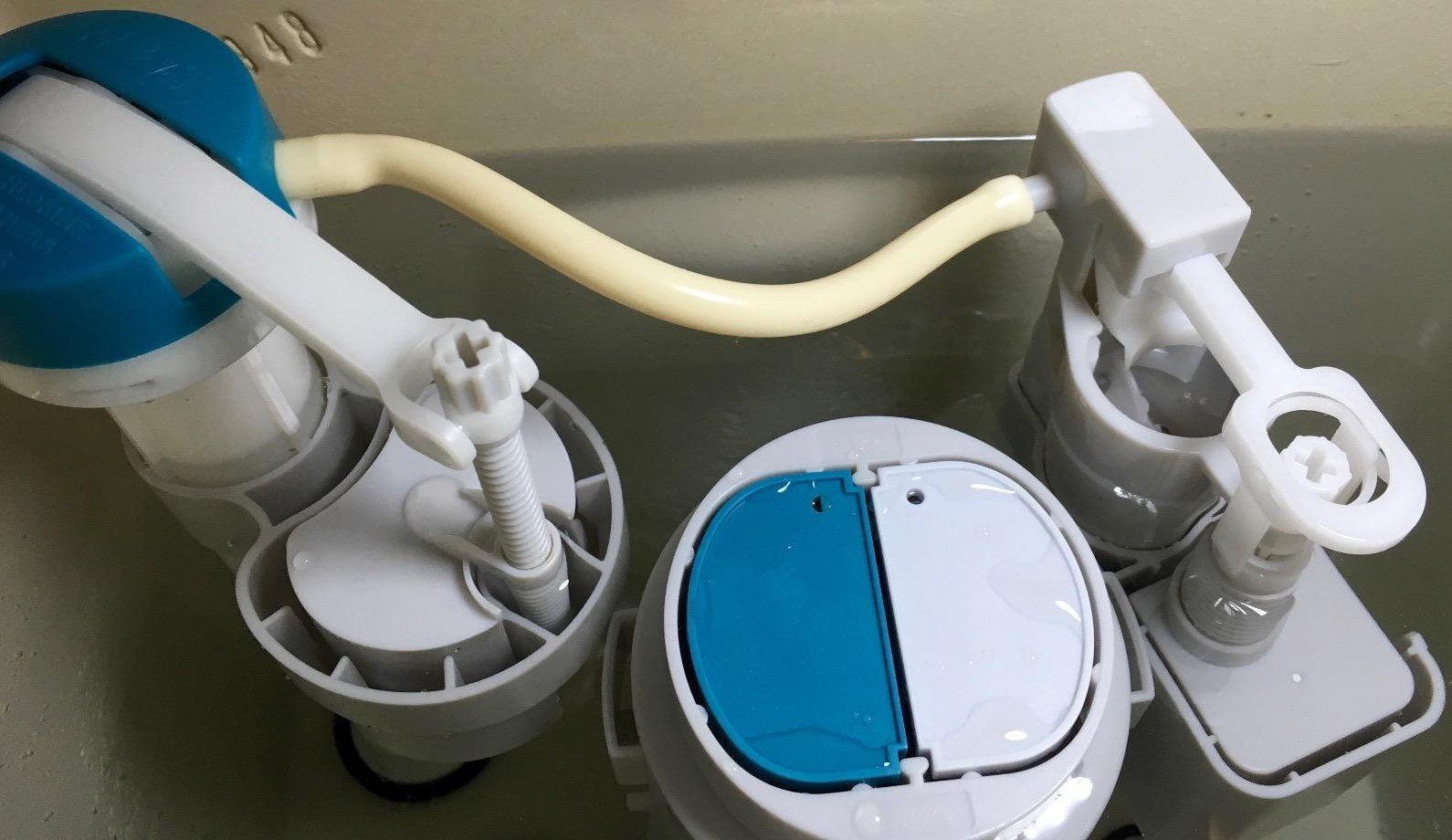
2. Check the Length of the Flush Rod
The flush rod connects the button or lever to the flush valve. If it’s too short, the valve won’t open fully—even if you press the button hard.
Fix
-
Measure carefully before making any adjustments
-
Ensure the rod fully lifts the flush valve when pressed
-
Replace or adjust the rod if necessary
A small difference in length can have a big impact on flush power.
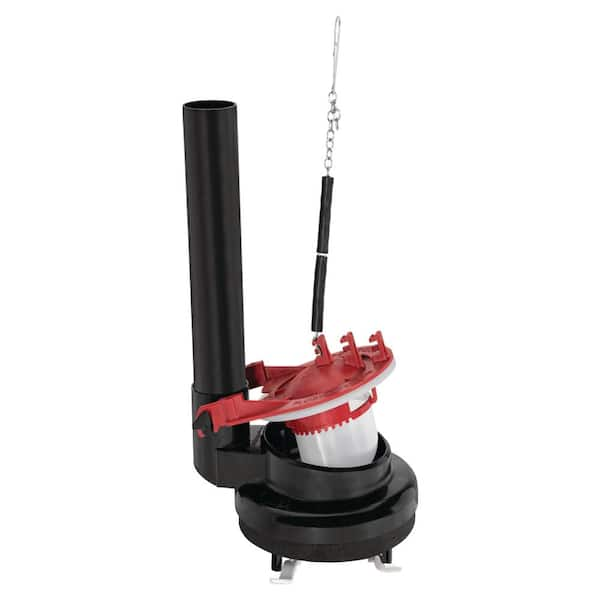
3. Inspect the Flush Lever or Button Mechanism
Over time, parts loosen or wear out.
Common Issues
-
Loose nut securing the flush lever
-
Cracked or broken flush button
-
Misaligned internal components
Solution
-
Tighten any loose fittings
-
Replace damaged buttons or levers
-
Make sure pressing the button opens the valve smoothly and fully
Even a slightly loose component can weaken the flush significantly.
4. Check the Toilet Ventilation System
Toilets rely on proper airflow to maintain pressure during flushing. A blocked or improperly installed vent pipe can reduce flushing efficiency.
Signs of Vent Issues
-
Weak flush despite correct water levels
-
Gurgling sounds
-
Slow drainage
If you are unsure how to inspect the vent system safely, this is the one situation where contacting a qualified plumber is recommended.
5. Look for Blockages in the Water Supply or Siphon
A partial blockage can restrict water flow and reduce flushing force.
Check
-
The water supply line feeding the toilet
-
The siphon or trap inside the toilet
Remove any visible debris or buildup carefully. Restoring clear water flow often resolves weak flushing immediately.
How to Prevent Weak Flushing and Slow Draining in the Future
Toilets don’t lose flushing power without a reason. Most problems come from daily habits. Preventive care makes a huge difference.
Best Practices
-
Never flush trash such as cigarette butts, wipes, or packaging
-
Avoid flushing large amounts of toilet paper at once
-
Always close the toilet lid after use to reduce foreign objects falling in
-
Perform a basic inspection once a month
-
Place a small trash bin in the bathroom for non-flushable waste
-
Do not pour laundry detergent water or chemical waste into the toilet
These habits protect the flushing system and prevent internal buildup.
Final Thoughts
A weak toilet flush doesn’t always mean a serious problem - or an expensive repair. In many cases, the solution is a simple adjustment, cleaning, or alignment fix that takes only minutes.
By understanding how your toilet works and performing regular checks, you can:
-
Restore strong flushing
-
Prevent clogs
-
Extend the life of your toilet
-
Save money on unnecessary service calls
Sometimes, the smartest home repairs are the ones you can handle yourself - with a little patience and the right knowledge.