Mix White Salt With Fabric Softener: A Simple Household Trick That Saves Money and Solves Multiple Problems
Facts 28/12/2025 00:19
Just follow these 4 steps and pork will always turn out tender, juicy, and never tough
By paying attention to a few small details, pork dishes can become noticeably more tender, sweet, and appealing. Below is a simple guide to cooking pork better.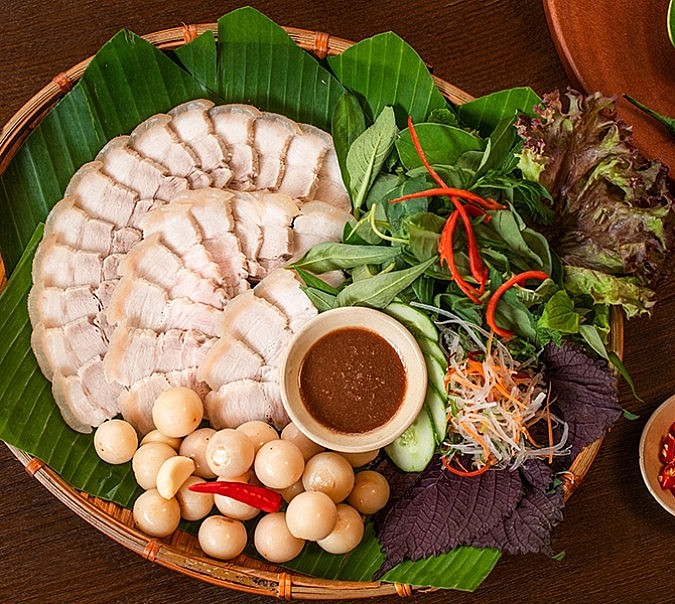
The quality of the dish starts with choosing the right meat. Fresh pork should be light pink, dry on the surface, and spring back when pressed.
For braising, stir-frying, or grilling, pork belly or pork shoulder is ideal because the balance of lean meat and fat keeps the meat moist and tender. Pork loin is very lean and can easily become tough if cooked incorrectly, so it’s best used for quick stir-fries or pan-searing.
For boiled pork, pork belly and shoulder are considered the best choices thanks to their balanced fat-to-lean ratio, which results in meat that is tender, sweet, and not dry. Pork leg is also a good option if you prefer meat with a firmer, richer texture.
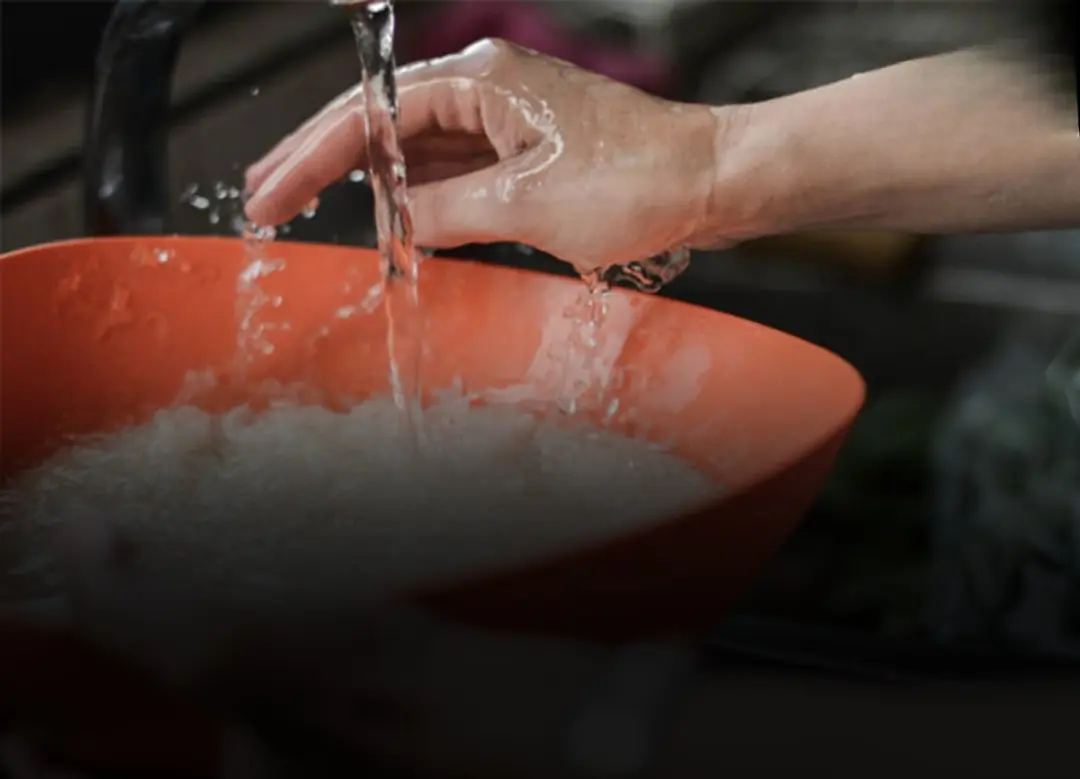
Preparation plays a major role in flavor. Many people wash pork under running water for too long or rub it heavily with salt, which can strip away its natural sweetness. A better method is to rinse it briefly and let it drain, or blanch the meat quickly in boiling water with a few slices of ginger or a splash of vinegar to remove odors before cooking.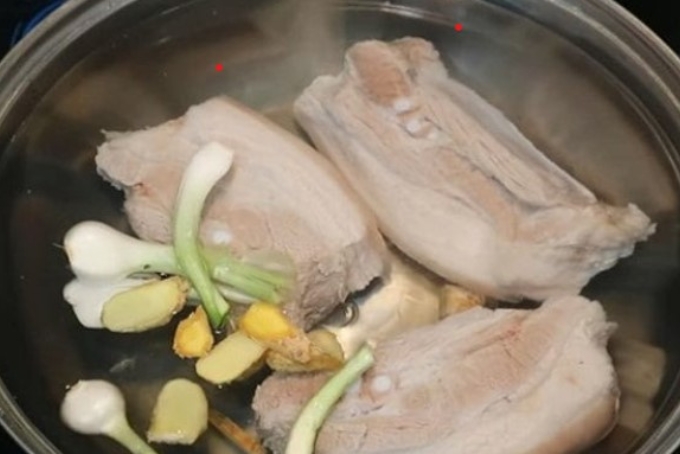
Marinating is the key to a flavorful dish. Pork should be marinated for at least 15–30 minutes with shallots, garlic, and good-quality fish sauce. A small amount of sugar or honey not only helps tenderize the meat but also gives it a beautiful color when braised or fried.
For stir-fried dishes, a traditional tip is to add a teaspoon of cooking oil or cornstarch during marination—this helps keep the meat silky and prevents it from drying out.
Boiling: Start with cold water and bring it to a gentle boil. This allows the meat to cook evenly and retain its natural sweetness.
Stir-frying: Sauté garlic and shallots until fragrant, then add the pork and cook quickly over high heat to seal in the juices before seasoning.
Braising or stewing: Cook patiently over low heat, letting the meat simmer gently. Avoid stirring too often so the meat becomes tender without falling apart.
In traditional home kitchens, there are also lesser-known tips. Adding a small splash of white wine or apple cider vinegar when marinating can make the pork more fragrant and tender. For long stews, a small piece of pineapple or green papaya added early can help soften the meat faster—but only in moderation to prevent it from becoming mushy.
A good meal doesn’t depend on expensive ingredients, but on the cook’s care and attention. By focusing on meat selection, preparation, marination, and cooking technique, even simple pork dishes can become rich in flavor and deeply satisfying—bringing warmth and comfort to the family table.