Cancer happens when cells stop following the body’s natural rules. Normal cells grow, divide, and die in a controlled way. Cancer cells, on the other hand, grow uncontrollably, ignore stop signals, and spread to other parts of the body.
In recent lab studies, scientists found that certain cancer cells can be influenced by: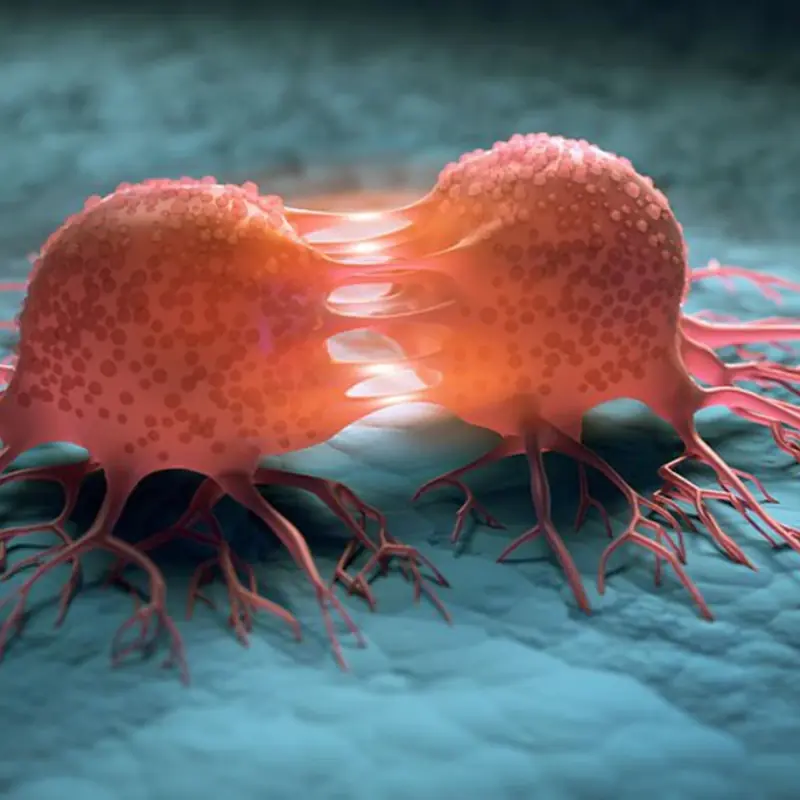
-
switching off key cancer-driving genes
-
restoring normal gene activity
-
correcting damaged cell “instructions”
-
forcing abnormal cells to return to stable behavior
This process is often called cell reprogramming, cell differentiation, or tumor normalization. Instead of wiping out the cells with toxic treatments, the goal is to reset their identity so they stop acting like cancer.
Why This Cancer Breakthrough Matters
One of the biggest challenges in modern oncology is that cancer cells adapt quickly. Treatments like chemo and radiation can kill large numbers of tumor cells, but surviving cells may evolve resistance. That’s one reason recurrence happens.
If scientists can successfully turn cancer cells back into normal cells, it could bring major advantages:
✅ 1. Less damage to healthy tissue
Traditional therapies often harm normal cells, causing side effects like fatigue, nausea, hair loss, and immune suppression. A reprogramming approach could reduce these complications.
✅ 2. Lower chance of resistance
When cancer cells are destroyed, resistant ones may survive. But forcing cells into a stable “normal” state may reduce the need for constant high-dose treatment.
✅ 3. Potential for long-term control
Instead of treating cancer as something to eliminate completely, the focus could shift toward controlling it like a chronic condition, similar to diabetes or hypertension.
How Scientists Are Doing It (In Simple Terms)
The key lies in understanding how cancer cells become abnormal in the first place. Many cancers are driven by genetic mutations and epigenetic changes (chemical switches that control gene activity).
Scientists are testing strategies such as:
-
gene editing or gene-targeting drugs to silence cancer genes
-
epigenetic therapies to restore normal gene patterns
-
differentiation therapy, pushing immature cancer cells to mature into stable, non-cancerous cells
-
pathway blockers, shutting down signals that keep tumors aggressive
One well-known example is acute promyelocytic leukemia, where doctors already use a form of differentiation therapy. That success has inspired researchers to explore similar ideas in other cancers.