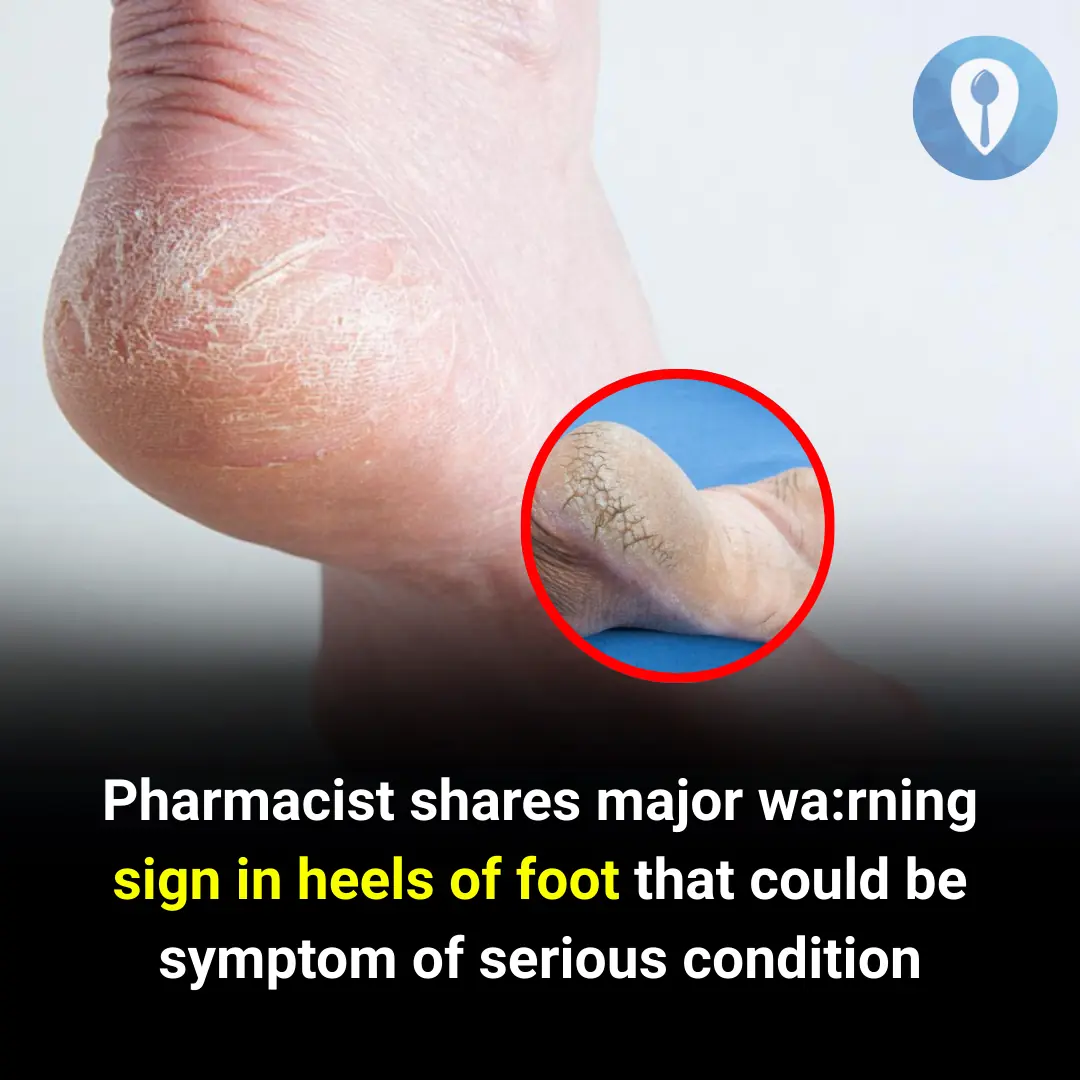
Heel pain is a common complaint that affects people of all ages. While many cases are caused by minor issues such as overuse, poor footwear, or strain from physical activity, pharmacists and healthcare professionals warn that persistent or severe heel pain can sometimes indicate a more serious underlying health condition. Understanding the potential causes of heel pain and recognizing warning signs can help prevent complications and ensure timely treatment.
In this article, we will explore the common and serious causes of heel pain, the symptoms to watch for, and strategies for prevention and management.
1. Common Causes of Heel Pain
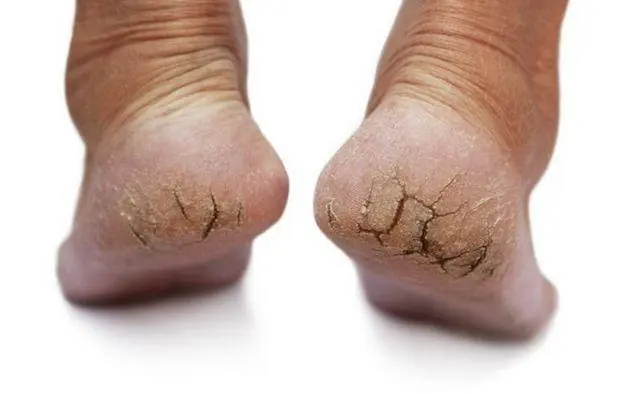
Plantar Fasciitis
-
This is the most common cause of heel pain. It occurs when the plantar fascia, a thick band of tissue connecting the heel bone to the toes, becomes inflamed.
-
Symptoms: Sharp, stabbing pain in the heel, especially in the morning or after long periods of standing.
-
Management: Rest, stretching exercises, proper footwear, and supportive orthotics can help relieve pain.
Heel Spurs
-
Heel spurs are bony growths that develop on the heel bone, often associated with plantar fasciitis.
-
Symptoms: Localized pain at the bottom of the heel, especially when walking or standing.
-
Management: Stretching, anti-inflammatory medications, and cushioned footwear can alleviate discomfort.
Achilles Tendinitis
-
Overuse or strain of the Achilles tendon can lead to inflammation, causing pain at the back of the heel.
-
Symptoms: Pain along the tendon, swelling, or stiffness, especially after physical activity.
-
Management: Rest, ice, physical therapy, and proper footwear can help recovery.
2. Serious Health Conditions Associated with Heel Pain
While most heel pain is caused by minor injuries or overuse, pharmacists emphasize that persistent, severe, or unusual heel pain may indicate a serious health issue:
Peripheral Neuropathy
-
Often caused by diabetes, vitamin deficiencies, or nerve damage, peripheral neuropathy can lead to pain, tingling, or burning sensations in the feet.
-
Symptoms: Numbness, tingling, burning, or stabbing heel pain, sometimes without visible injury.
-
Action: If you have diabetes or other risk factors, consult a doctor promptly. Early detection can prevent further nerve damage.
Stress Fractures
-
Repeated stress or overuse, especially in athletes or physically active individuals, can cause small cracks in the heel bone.
-
Symptoms: Localized pain that worsens with weight-bearing activity and improves with rest.
-
Action: X-rays or imaging studies may be necessary for diagnosis, and proper treatment includes rest, immobilization, and sometimes physical therapy.
Systemic Conditions (Arthritis or Gout)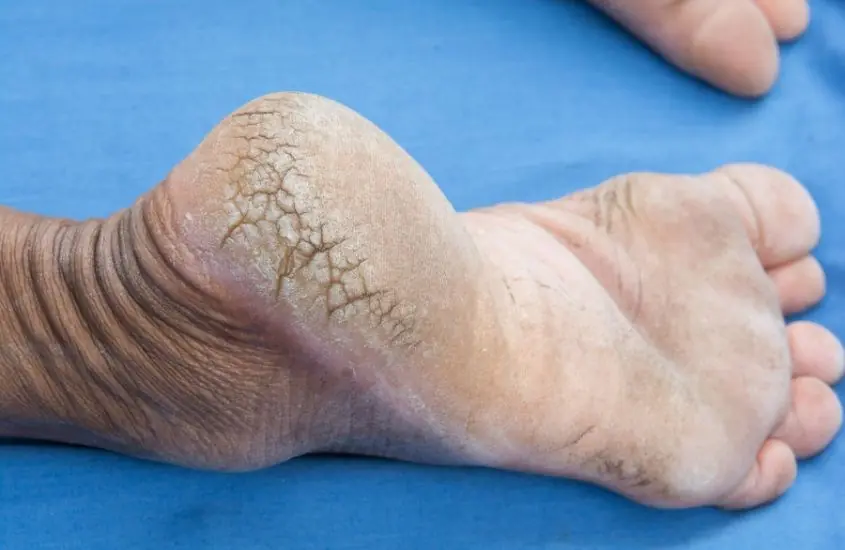
-
Certain systemic diseases, such as rheumatoid arthritis, osteoarthritis, or gout, can cause heel pain.
-
Symptoms: Pain accompanied by swelling, redness, or warmth in the joint, sometimes affecting multiple areas.
-
Action: Early medical evaluation is important for diagnosis and treatment to prevent joint damage.
Infections or Tumors (Rare Cases)
-
In very rare cases, heel pain may result from bone infections (osteomyelitis) or tumors.
-
Symptoms: Persistent, severe pain, swelling, redness, fever, or night pain.
-
Action: Immediate medical evaluation is required for diagnosis and appropriate treatment.
3. When to See a Pharmacist or Doctor
Heel pain is usually minor and can improve with rest and home care. However, consult a pharmacist or doctor if you experience:
-
Pain that persists for more than a few weeks despite home treatment
-
Sudden or severe pain without injury
-
Swelling, redness, or warmth around the heel
-
Numbness, tingling, or burning sensations
-
Difficulty walking or bearing weight on the foot
-
Fever, unexplained bruising, or other systemic symptoms
Early intervention can prevent complications and improve recovery outcomes.
4. Preventive Measures for Healthy Heels
Choose Proper Footwear
-
Wear shoes with good arch support and cushioning to reduce strain on the heel.
Maintain a Healthy Weight
-
Excess body weight increases pressure on the heels, contributing to pain and injury.
Stretch and Strengthen Muscles
-
Stretching the calves, Achilles tendon, and plantar fascia regularly can prevent overuse injuries.
-
Strengthening foot and leg muscles helps maintain proper foot mechanics.
Avoid Overuse
-
Gradually increase physical activity intensity to prevent stress fractures or tendonitis.
-
Take breaks during long periods of standing or walking.
Monitor Health Conditions
-
Manage underlying conditions like diabetes, arthritis, or obesity, which can increase heel pain risk.
Conclusion
Heel pain is often caused by minor issues such as plantar fasciitis, tendonitis, or improper footwear, but persistent or severe pain may indicate serious health problems such as peripheral neuropathy, stress fractures, arthritis, or even infections. Pharmacists and healthcare professionals emphasize the importance of paying attention to your body, monitoring symptoms, and seeking medical advice when needed.
By combining proper footwear, stretching, weight management, and awareness of underlying health conditions, you can prevent heel pain, detect serious issues early, and maintain healthy, pain-free feet.