Butcher’s Honest Advice: When Buying Pork, It’s Best to Avoid These Three Types — Only the Uninformed Like Them
People who truly know meat almost never eat these cuts.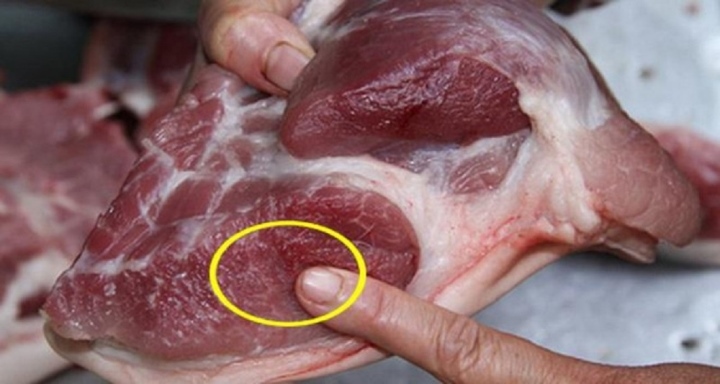
There is an old saying: “Those who understand the trade see the essence; those who don’t just look for fun.” Every winter, rural markets become noticeably more crowded and lively. As Lunar New Year approaches, many people return to their hometowns early and take the chance to stroll through the market, sometimes so packed that there are more onlookers than buyers. Winter is also peak season for pork sales, because nearly every household makes cured pork, sausages, or salted ribs to eat over time, so meat stalls are always bustling.
When demand rises, quality in the market becomes mixed. Some vendors blend lower-quality meat with good meat to sell, and people without experience can easily buy the wrong thing. That’s why in winter, meat stalls attract not only buyers but also many people just watching.
Many people have complained that pork they bought somewhere turned out tough and smelly after cooking, so bad they couldn’t eat it and swore never to return. At such times, sellers often assure customers: “Buy from me — if it’s not good, you can return it.” Vendors who dare to say this usually don’t sell meat that’s too bad. Still, having some knowledge yourself is always better. It helps you buy with confidence, avoid wasting money, and prevent unnecessary arguments.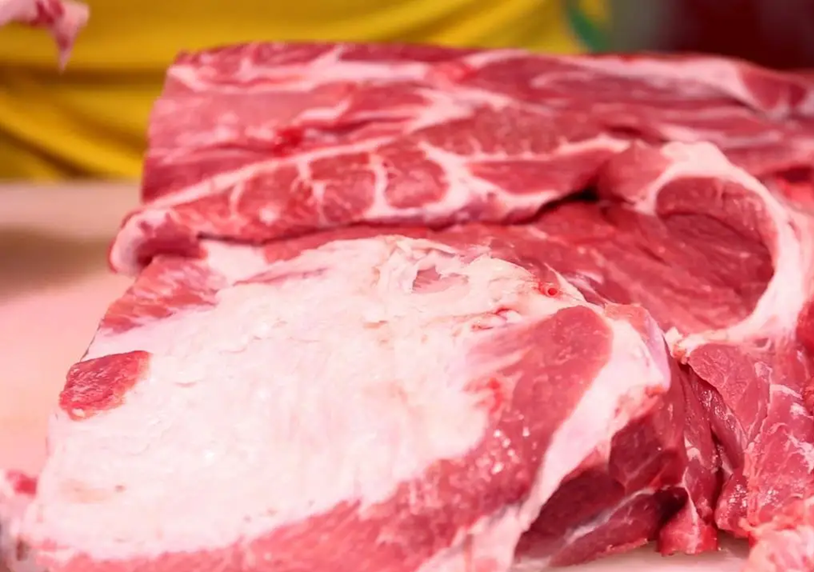
In my family, both my eldest and second uncles worked as pig butchers their entire lives. They often warned younger family members who had just started their own households: if you see these three kinds of pork, it’s best not to buy them — only people who don’t know meat like to eat them.
The first type: pork from the front of the neck (head–neck meat).
This cut looks quite similar to pork belly, so inexperienced buyers often mistake it. In fact, it comes from the front of the pig’s neck, where many lymph nodes are concentrated. Lymph nodes are part of the immune system and filter bacteria, viruses, and waste from the body. If meat still contains diseased lymph tissue, eating it can cause the body to absorb harmful substances, leading to digestive problems and other health issues. That’s why people who know meat almost never eat this part.
Head–neck meat is usually the cheapest cut. If it must be used to render lard, it should be purchased from a legal slaughter source, with the seller removing all lymph nodes thoroughly. During cooking, it must be boiled very well. If stir-fried or cooked in other ways, it should also be cooked longer to reduce health risks from any remaining harmful substances.
The second type: hind pig trotters.
Pig trotters are a favorite dish for many people, especially when stewed until soft and rich, and are often believed to be good for the skin. However, experienced buyers usually choose front trotters. Front trotters have smaller bones, less excess fat, and more tendons and collagen, making them softer and tastier when stewed. Hind trotters have larger bones, more fat, and sometimes a stronger odor, so knowledgeable buyers rarely choose them.
That said, hind trotters do have one advantage: they contain a fair amount of lean meat. If the price is only about two-thirds that of front trotters, people who like tendons can buy them, trim off excess fat, and cook them separately to save money.
To tell front and hind trotters apart, simply look at the middle of the trotter. If there is a clear fold or crease, it’s a front trotter. If it’s smooth with no crease, it’s a hind trotter.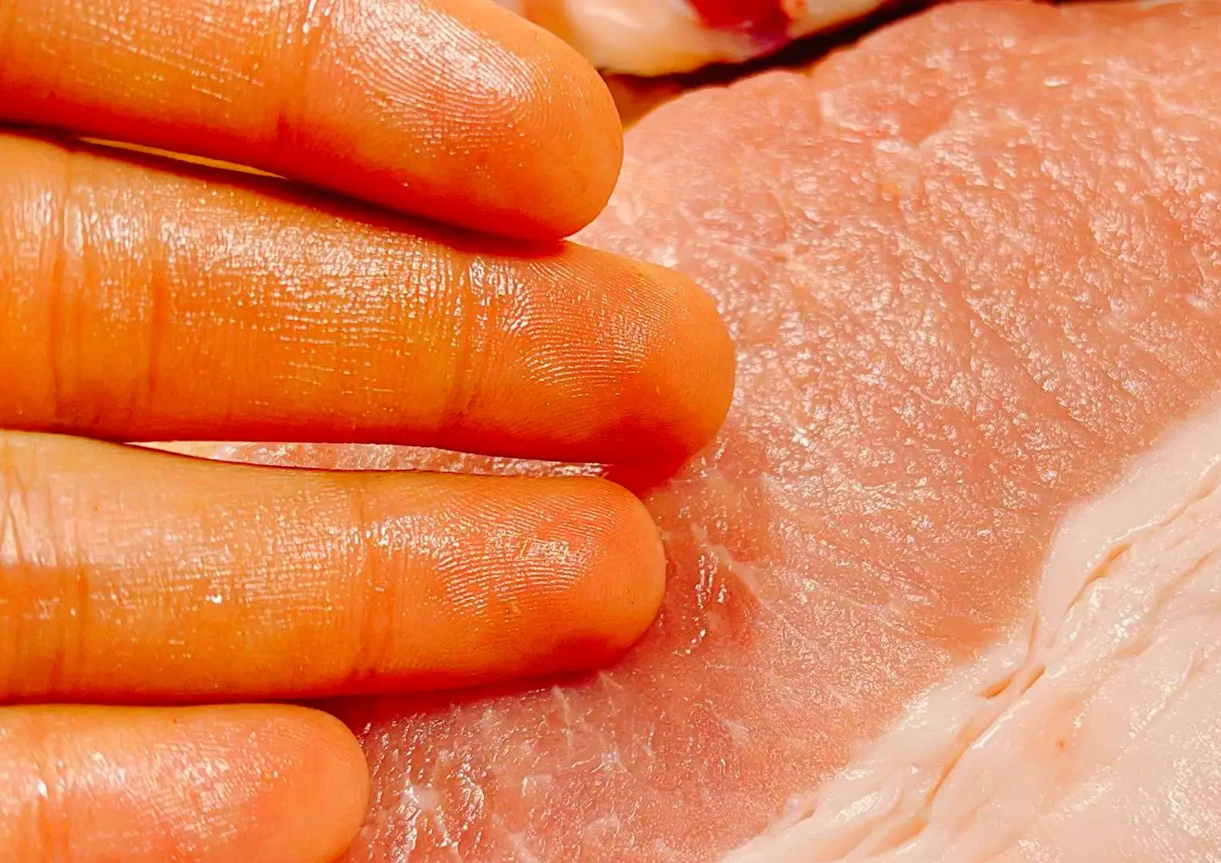
The third type: pork that is pale or whitish in color.
Many people buy this meat, cook it, and find it has a strong unpleasant smell and poor taste, then assume their cooking skills are to blame. In reality, the problem is often the meat quality. Some vendors sell meat that has been left overnight as if it were fresh. If it’s not stored properly, the meat the next day becomes tough and smelly.
The way to identify it is simple. Meat that isn’t fresh often looks pale white and releases a lot of liquid when touched. Fresh, good-quality pork has a natural pinkish-red color, a slightly glossy surface, and feels dry to the touch. This kind of meat will be fragrant and delicious no matter how it’s cooked.