3 Pain Areas on the Body That Should Never Be Ignored: What They May Signal in Early-Stage Cancer
The image is unsettling for a reason. A patient sits quietly on a hospital bed, shoulders slumped, while a magnified image of abnormal cells floats beside them. The message is clear and urgent: some types of pain are not just discomfort—they can be early warning signs that the body is asking for attention.
This article is not meant to cause panic. Pain does not automatically mean cancer. However, medical professionals agree that persistent, unexplained pain in certain areas of the body should never be ignored, especially when it does not improve with time or routine treatment.
Early detection saves lives. Recognizing signals early can make a critical difference.

Pain Is Not Always “Just Pain”
Most people experience aches and pains daily—from stress, posture, overuse, or minor illness. The key difference lies in persistence, progression, and lack of a clear cause.
Cancer-related pain often:
-
Appears without obvious injury
-
Persists or worsens over time
-
Does not respond to usual pain relief
-
Is accompanied by other subtle symptoms
Understanding where pain occurs can help doctors decide what to investigate.
1. Persistent Abdominal or Stomach Pain
Ongoing pain or discomfort in the upper or lower abdomen is one of the most commonly overlooked warning signs.
Possible concerns:
-
Stomach (gastric) cancer
-
Pancreatic cancer
-
Liver or colorectal cancer
Red flags include:
-
Pain lasting weeks or months
-
Pain accompanied by bloating, nausea, or appetite loss
-
Unexplained weight loss
-
Feeling full after eating small amounts
This type of pain is often dismissed as indigestion or gastritis. While those are common causes, persistent abdominal pain should always be medically evaluated, especially in younger individuals where cancer is often detected later due to delayed suspicion.
2. Ongoing Bone or Joint Pain
Bone pain is often mistaken for aging, arthritis, or overuse—but cancer-related bone pain has distinct characteristics.
Why it matters:
-
Certain cancers can originate in bone
-
Others spread (metastasize) to bone, especially breast, prostate, and lung cancers
Warning signs include:
-
Deep, aching pain that worsens at night
-
Pain unrelated to physical activity
-
Localized tenderness or swelling
-
Fractures with minimal trauma
Unlike muscle soreness, bone pain often feels deep and constant, and does not improve with rest.
3. Unexplained Head, Neck, or Back Pain
Chronic pain in the head, neck, or back—especially when progressive—deserves careful attention.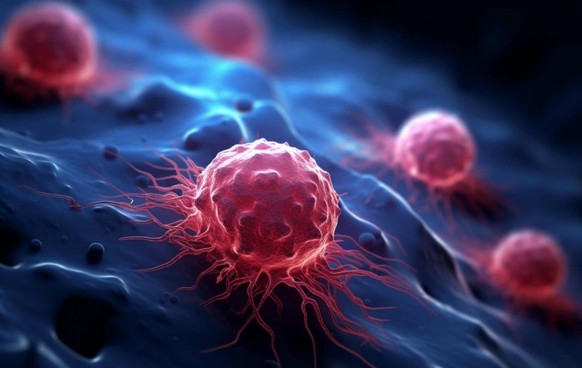
Potential associations:
-
Brain tumors
-
Head and neck cancers
-
Spinal tumors or metastatic disease
Concerning symptoms include:
-
Headaches that are new, severe, or worsening
-
Pain accompanied by vision changes or dizziness
-
Neck pain with difficulty swallowing or voice changes
-
Back pain paired with numbness, weakness, or bowel/bladder changes
Back pain is extremely common, but persistent pain with neurological symptoms should never be ignored.
Why Early-Stage Cancer Pain Is Often Missed
Early-stage cancer pain is subtle. It does not always feel severe or dramatic. Many people delay medical visits because:
-
Symptoms seem manageable
-
Pain comes and goes
-
Daily responsibilities take priority
Unfortunately, cancer thrives on delay.
By the time pain becomes severe, disease progression may already be advanced.
What Pain Alone Does Not Mean
It is important to be clear:
-
Pain alone does not diagnose cancer
-
Most pain has non-cancerous causes
-
Fear should never replace professional evaluation
The purpose of awareness is timely medical assessment, not self-diagnosis.
When to Seek Medical Attention Immediately
Consult a healthcare professional if pain:
-
Persists longer than 2–3 weeks
-
Worsens instead of improving
-
Occurs at night or wakes you from sleep
-
Is accompanied by fatigue, fever, weight loss, or bleeding
Early evaluation may rule out serious conditions—or detect them when treatment is most effective.
The Power of Early Detection
Cancer detected early is often:
-
More treatable
-
Less invasive to manage
-
Associated with higher survival rates
Listening to the body is not weakness. It is responsibility.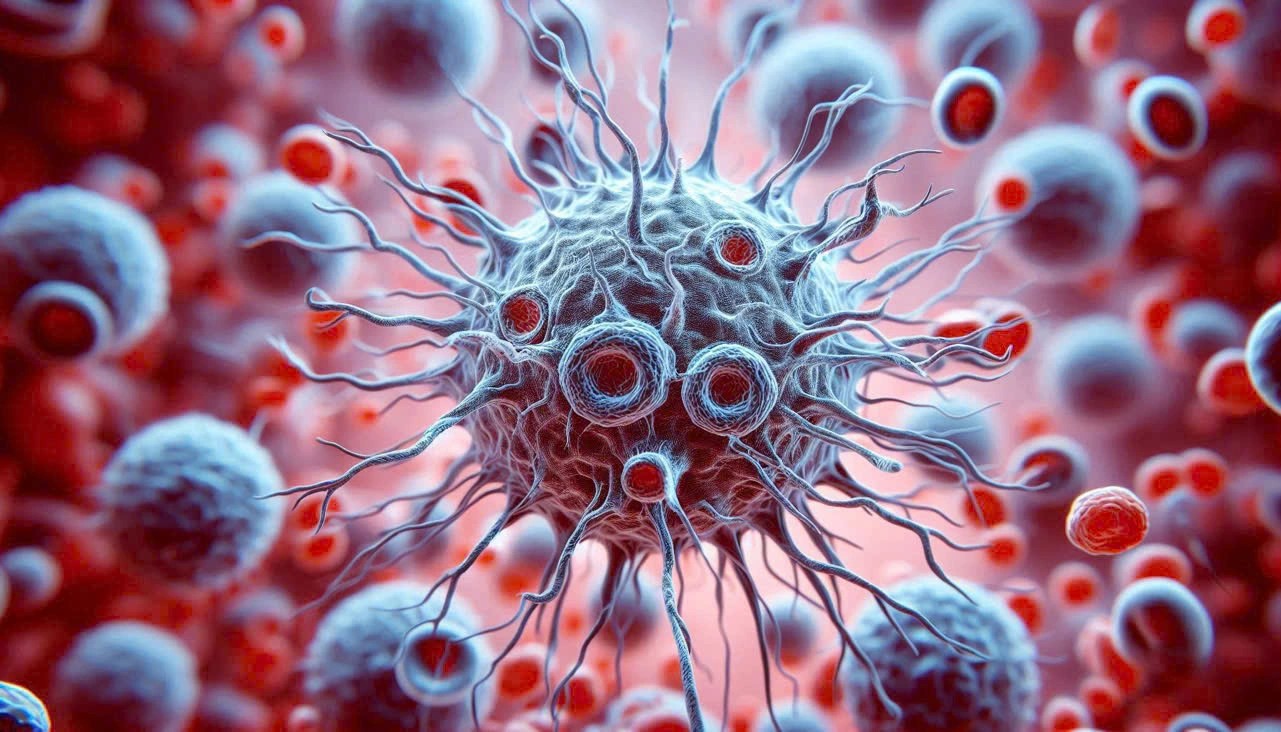
A Final Thought
Pain is the body’s language. Sometimes it whispers. Sometimes it repeats itself. When pain persists without explanation, it deserves to be heard.
Do not ignore signals out of fear.
Do not delay out of inconvenience.
Early action does not create bad news—it prevents it.
Your body speaks every day.
The most important step is choosing to listen.