Do These Two Habits at Home Increase Breast Cancer Risk? What Families Need to Know
Images like this one are designed to stop people mid-scroll—and for good reason. Breast cancer remains one of the most common cancers affecting women worldwide, and while genetics play a role, daily lifestyle and household habits also matter more than many people realize. What often goes unspoken is that some risks do not come only from personal choices, but from the shared environment inside a family.
This article does not aim to accuse or shame. Instead, it focuses on awareness, prevention, and informed change, especially when it comes to habits that can affect loved ones over time.
Understanding Breast Cancer Risk Beyond Genetics
Breast cancer does not have a single cause. According to medical research, risk is influenced by a combination of genetics, hormones, environment, and long-term exposure to certain substances. While no habit guarantees cancer, some behaviors are known to increase risk significantly when exposure is frequent or prolonged.
Importantly, secondhand exposure—what one person does affecting another—can be just as relevant as direct behavior.
Bad Habit #1: Smoking and Secondhand Smoke
Smoking is widely known to damage health, but its impact on breast cancer risk is often underestimated—especially inside the home.
Research has shown that:
-
Tobacco smoke contains carcinogens that can damage breast tissue
-
Long-term exposure to secondhand smoke may increase breast cancer risk, particularly in premenopausal women
-
Smoking can disrupt hormone balance, which plays a key role in breast cancer development
When a partner smokes indoors, the risk does not stay with the smoker. Smoke particles linger on furniture, clothing, and air—creating continuous exposure.
A smoke-free home is not just a preference. It is a protective health measure.
Bad Habit #2: Excessive Alcohol Consumption
Alcohol is classified as a known carcinogen by the World Health Organization. Even moderate drinking has been linked to increased breast cancer risk.
Here’s why alcohol matters:
-
It raises estrogen levels in the body
-
It can damage DNA in breast cells
-
It interferes with the body’s ability to absorb protective nutrients
When alcohol use becomes a regular part of home life, it can indirectly affect partners by shaping routines, stress levels, sleep quality, and diet—all factors that influence cancer risk.
This is not about complete prohibition. It is about limiting frequency and quantity, especially when family health is at stake.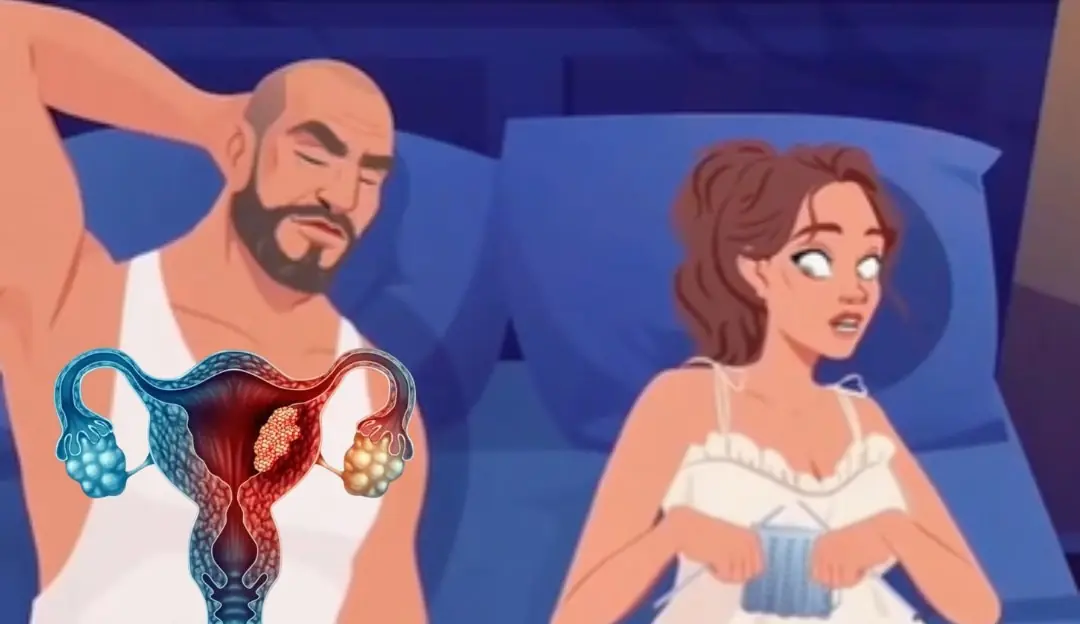
Why These Habits Affect the Whole Family
Breast cancer does not happen in isolation. When one person becomes ill, the emotional, financial, and psychological impact affects everyone—partners, children, and extended family.
Household habits shape:
-
Air quality
-
Stress levels
-
Sleep patterns
-
Long-term health norms for children
What feels like a personal choice can quietly become a shared risk.
What Science Actually Says (No Fear, Just Facts)
It is important to be clear:
-
Smoking or drinking does not automatically cause breast cancer
-
Many people with these exposures never develop cancer
-
However, risk increases cumulatively over time
Cancer prevention is about risk reduction, not guarantees. Removing known risk factors improves odds, supports immune health, and promotes long-term wellbeing.
What Families Can Do Right Now
Small, consistent changes can make a real difference:
-
Create a smoke-free home environment
-
Reduce alcohol consumption to recommended limits
-
Encourage regular medical checkups and screenings
-
Support stress management and healthy sleep
-
Promote open conversations about health without blame
Change works best when it is mutual and supportive—not forced.
Prevention Is an Act of Care, Not Control
Stopping harmful habits is not about authority or judgment. It is about care. It is about recognizing that love includes responsibility, and that protecting family health sometimes means changing routines that feel normal.
True prevention starts at home, long before hospitals or diagnoses enter the picture.
A Final Thought
Breast cancer prevention is not only a women’s issue. It is a family issue. Awareness, shared responsibility, and healthier habits can reduce risk and strengthen bonds at the same time.
Not because fear demands it.
But because care does.