“Red Alert” for the Kidneys: Warning Signs You Should Never Ignore
The image sends a clear message. Pain highlighted in the lower back, a visual of the kidneys, and the word “red alert” all point to one thing: your kidneys may be under stress, and the body is trying to warn you. Kidney problems often develop quietly, but when symptoms appear, they should never be brushed aside.
This is not meant to cause panic. Many kidney-related symptoms have harmless causes. However, recognizing the signs early can prevent serious, long-term damage.
Why Kidney Problems Are Often Missed
The kidneys filter waste, regulate fluids, balance electrolytes, and help control blood pressure. Because they work silently, damage can progress for months or even years before obvious symptoms appear.
By the time pain or discomfort is noticeable, kidney function may already be compromised. That is why early warning signs matter.
1. Persistent Lower Back or Side Pain
One of the most common kidney warning signs is pain in the lower back or sides, just below the ribs.
Characteristics that raise concern:
-
Pain on one or both sides of the lower back
-
A dull, deep ache rather than muscle soreness
-
Pain that does not improve with rest or position changes
-
Pain accompanied by fever or urinary symptoms
Kidney pain is often mistaken for muscle strain, especially after physical activity.
2. Changes in Urination
The kidneys’ primary role is urine production. Any noticeable change deserves attention.
Red flags include:
-
Urinating much more or much less than usual
-
Foamy or bubbly urine
-
Dark, cloudy, or bloody urine
-
Burning or pain during urination
-
Waking frequently at night to urinate
These changes may signal infection, kidney stones, or declining kidney function.
3. Swelling in the Body
When kidneys struggle to remove excess fluid, swelling can occur.
Common areas affected:
-
Feet and ankles
-
Hands
-
Face or around the eyes
This swelling is often worse at the end of the day and may indicate fluid retention related to kidney dysfunction.
4. Persistent Fatigue and Weakness
Healthy kidneys help produce hormones that support red blood cell production. When kidney function declines, anemia can develop.
Symptoms include:
-
Ongoing fatigue
-
Weakness
-
Difficulty concentrating
-
Shortness of breath with minimal activity
This type of tiredness does not improve with rest alone.
5. Loss of Appetite, Nausea, or Metallic Taste
As waste products build up in the blood, digestive symptoms may appear.
Possible signs:
-
Loss of appetite
-
Nausea or vomiting
-
A metallic or bitter taste in the mouth
-
Bad breath that does not improve with oral hygiene
These symptoms are often overlooked or attributed to stomach issues.
6. High Blood Pressure That Is Hard to Control
Kidneys play a key role in regulating blood pressure. Kidney damage can cause blood pressure to rise, and high blood pressure can further damage the kidneys—a dangerous cycle.
If blood pressure remains high despite treatment, kidney health should be evaluated.
What These Signs Do Not Automatically Mean
It is important to be clear:
-
These symptoms do not automatically indicate kidney failure
-
Many causes are treatable, especially when caught early
-
Muscle pain, dehydration, or infections can mimic kidney symptoms
The purpose of awareness is early evaluation, not self-diagnosis.
When to Seek Medical Attention
Consult a healthcare professional promptly if you experience:
-
Persistent lower back or side pain
-
Blood in urine
-
Swelling with no clear cause
-
Sudden changes in urination
-
Pain accompanied by fever or chills
Early testing can include urine analysis, blood tests, imaging, and blood pressure monitoring.
How to Support Kidney Health Daily
Simple habits make a significant difference:
-
Stay well hydrated
-
Avoid excessive salt intake
-
Manage blood pressure and blood sugar
-
Limit unnecessary painkiller use
-
Get regular health checkups
Prevention is far easier than treatment.
A Final Reminder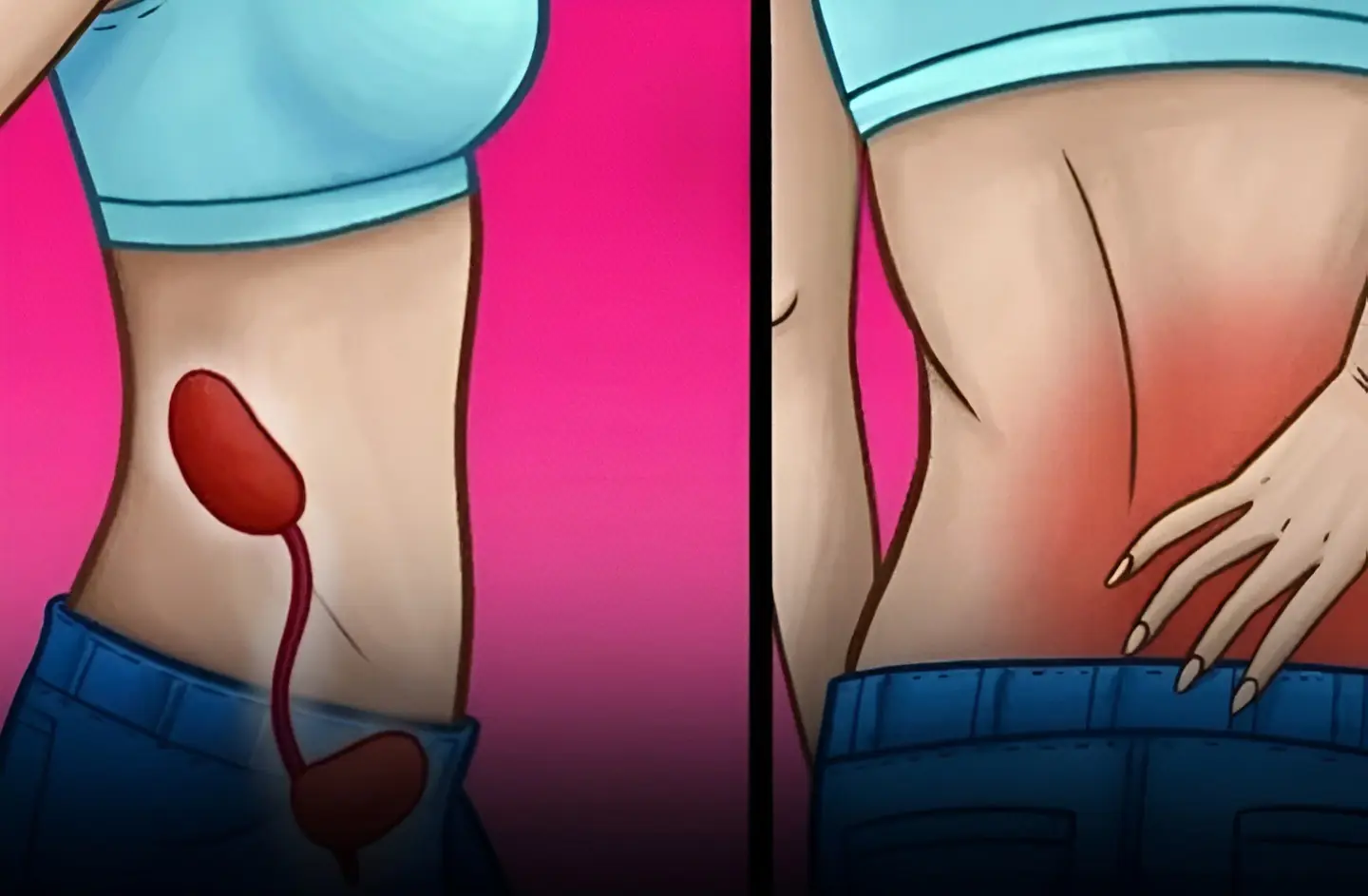
Kidneys rarely scream for attention. They whisper through subtle signs—changes in urine, persistent fatigue, unexplained pain.
Ignoring those whispers can lead to serious consequences. Listening early can preserve kidney function for life.
If your body is raising a “red alert,” do not wait for the warning to become an emergency.