
Group 1 Carcinogens: Foods Scientifically Proven to Increase Cancer Risk
When it comes to cancer prevention, not all warnings are rumors or exaggerations. According to the International Agency for Research on Cancer (IARC), a specialized agency of the World Health Organization (WHO), certain substances are classified as Group 1 carcinogens — meaning there is sufficient scientific evidence that they cause cancer in humans.
Surprisingly, some foods and dietary habits commonly found on dining tables around the world are included in this highest-risk category.
What Does “Group 1 Carcinogen” Mean?
A Group 1 classification does not indicate how strong the carcinogen is, but rather how solid the scientific evidence is. Substances in this group have been conclusively linked to cancer through large-scale epidemiological studies and long-term research.
Common Food-Related Group 1 Carcinogens
1. Processed Meat
Processed meats such as:
-
Sausages
-
Bacon
-
Ham
-
Hot dogs
-
Salami
have been classified as Group 1 carcinogens, particularly linked to colorectal cancer. These products often contain nitrites, nitrates, and other preservatives that can form carcinogenic compounds during processing or cooking.
2. Alcoholic Beverages
Alcohol consumption is strongly associated with several cancers, including:
-
Liver cancer
-
Breast cancer
-
Esophageal cancer
-
Colorectal cancer
There is no completely safe level of alcohol consumption when it comes to cancer risk, according to WHO.
3. Foods Contaminated With Aflatoxins
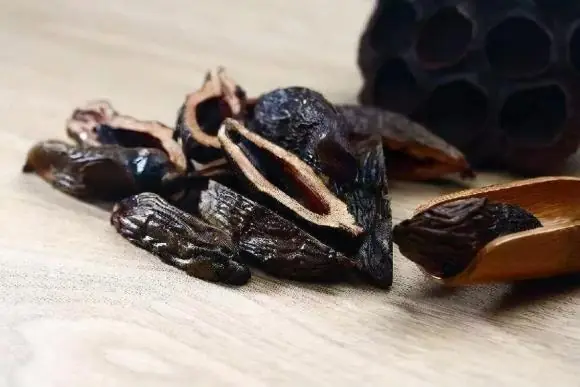
Aflatoxins are toxic substances produced by certain molds that can contaminate:
-
Improperly stored peanuts
-
Corn
-
Grains
Long-term exposure to aflatoxins significantly increases the risk of liver cancer, especially in regions with poor food storage conditions.
4. Very Hot Beverages (Above 65°C / 149°F)
Drinking beverages at extremely high temperatures has been classified as a Group 1 carcinogenic behavior due to its association with esophageal cancer, as repeated thermal injury damages the lining of the esophagus.
Does This Mean You Must Never Eat These Foods?
Health experts emphasize that risk depends on frequency, quantity, and long-term exposure. Eating processed meat occasionally is different from consuming it daily. However, regular and excessive intake significantly raises cancer risk over time.
How to Reduce Your Risk
-
Limit processed meat consumption
-
Reduce or avoid alcohol
-
Store grains and nuts properly to prevent mold
-
Let hot drinks cool before consuming
-
Prioritize fresh foods such as vegetables, fruits, legumes, and whole grains
The Bottom Line
Cancer prevention does not rely on a single food choice, but on consistent dietary habits over time. Being aware of Group 1 carcinogens allows individuals to make informed decisions and reduce avoidable risks.
Knowing what’s on your plate today could protect your health tomorrow.
News in the same category


Early detection of colon polyps: The key to effective cancer prevention

Warning Signs That Cancer Is Growing in Your Body

The Back of Your Hand May Reveal Longevity Secrets: 4 Signs Everyone Should Check

More Than 90% of iPhone Users Don’t Know the Purpose of the Tiny Hole Next to the Camera

Doctors recommend a vegetable that supports the heart, fights aging, has 7x more calcium than bone broth, and is easy to find at the market.

The Biggest Cause of Liver Cancer Identified: Doctors Point to a Common but Overlooked Culprit

These 3 types of pai.n may indicate lung can.cer. Don’t overlook them

“Red Alert” for the Kidneys: Warning Signs You Should Never Ignore

See these 4 garlic bulbs? Don’t buy them… don’t even accept them for free.

Hormonal imbalance in women is a common condition that, if left untreated, can affect various bodily functions.

Don’t overlook this: frequent drooling during sleep could signal more than you think

Yawning is considered a very normal physiological reaction

3 Painful Areas on Your Body That Could Be Early Signs of Can.cer — Don’t Ignore Them, or It Might Spread

In Japan, it’s praised as the most powerful anti-can.cer food, but Vietnamese have enjoyed it for centuries

Just because it’s in the fridge doesn’t mean it’s in a safe deposit box!

Stop Them Now Before They Harm The Whole Family

Not Tooth Decay: Two Oral Signs That Could Be Your Body’s Cry for Help

The Drink Linked to Can.cer Risk: One Glass a Day May Raise the Danger by 90%
News Post

Drinking Coffee at the Right Time May Support Heart Health, Experts Say

Early detection of colon polyps: The key to effective cancer prevention

For those who are in the habit of poking the leg out of the bed sheet when sleeping

Warning Signs That Cancer Is Growing in Your Body

Health Warning: 4 Types of Electric Kettles You Should Stop Using Immediately

The Back of Your Hand May Reveal Longevity Secrets: 4 Signs Everyone Should Check

More Than 90% of iPhone Users Don’t Know the Purpose of the Tiny Hole Next to the Camera

Doctors recommend a vegetable that supports the heart, fights aging, has 7x more calcium than bone broth, and is easy to find at the market.

The Biggest Cause of Liver Cancer Identified: Doctors Point to a Common but Overlooked Culprit

These 3 types of pai.n may indicate lung can.cer. Don’t overlook them

This type of "poiso,nous sandal" can cause early puberty in children, but many parents still buy it for their children to wear!

“Red Alert” for the Kidneys: Warning Signs You Should Never Ignore

See these 4 garlic bulbs? Don’t buy them… don’t even accept them for free.

Hormonal imbalance in women is a common condition that, if left untreated, can affect various bodily functions.

With this leaf in hand, you don't have to worry about diarrhea or health problems will improve

Don’t Drink Water Immediately After Waking Up: Doctors Reveal 5 Important Things to Do First

Don’t overlook this: frequent drooling during sleep could signal more than you think

Yawning is considered a very normal physiological reaction

3 Painful Areas on Your Body That Could Be Early Signs of Can.cer — Don’t Ignore Them, or It Might Spread
