Pain in These 3 Spots Shouldn’t Be Ignored: What They May Reveal About Lung Health
Pain is one of the body’s most important warning systems. Most aches are harmless—caused by muscle strain, poor posture, or temporary inflammation. However, the image above highlights a serious medical reality: persistent pain in certain areas of the body can sometimes be linked to lung disease, including lung cancer, and should never be dismissed without proper evaluation.
This does not mean that pain automatically equals cancer. But understanding where pain appears, how long it lasts, and what accompanies it can make a critical difference.

Why Lung Cancer Pain Is Often Missed
The lungs themselves have very few pain receptors. Early lung cancer rarely causes pain directly in the chest, which is why many cases are detected late. Instead, pain often appears indirectly, caused by pressure on nearby nerves, muscles, bones, or organs.
As a result, symptoms are frequently mistaken for orthopedic or nerve-related problems.
1. Shoulder Pain (Especially Persistent or Unexplained)
One of the most overlooked warning signs is pain in the shoulder or upper arm.
Why this matters:
-
Tumors located at the top of the lung (called Pancoast tumors) can press on nearby nerves
-
Pain may radiate from the shoulder down the arm or into the neck
-
Pain often does not improve with rest or typical pain relievers
Red flags include:
-
Shoulder pain with no injury
-
Pain accompanied by arm weakness, numbness, or tingling
-
Pain that worsens at night
This type of pain is frequently misdiagnosed as frozen shoulder, arthritis, or nerve compression.
2. Chest Pain That Feels Deep or Sharp
Chest pain is a well-known symptom, but lung-related chest pain has specific characteristics.
Concerning features:
-
Sharp or stabbing pain when breathing deeply, coughing, or laughing
-
Pain localized to one side of the chest
-
Pain that worsens over time
This pain may occur when cancer affects the pleura (the lining around the lungs) or chest wall.
Chest pain should always be evaluated—especially when paired with cough, shortness of breath, or unexplained weight loss.
3. Upper Back Pain (Between the Shoulder Blades)
Upper back pain is extremely common, which is why it is so often ignored. However, persistent pain between the shoulder blades can sometimes be linked to lung issues.
Warning signs include:
-
Deep, aching pain that does not change with movement
-
Pain that persists for weeks
-
Pain combined with fatigue or breathing difficulty
This type of pain may result from tumors pressing on spinal nerves or spreading to nearby structures.
Symptoms That Increase Concern
Pain is more concerning when combined with:
-
Chronic cough or coughing up blood
-
Shortness of breath
-
Hoarseness
-
Unexplained weight loss
-
Persistent fatigue
-
Recurrent chest infections
The presence of multiple symptoms increases the need for prompt medical evaluation.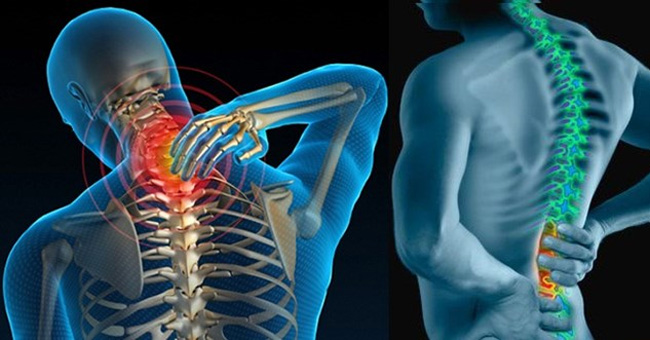
What This Pain Does Not Automatically Mean
It is important to be clear:
-
Most shoulder, chest, and back pain is not caused by lung cancer
-
Muscle strain, posture problems, and nerve irritation are far more common
-
Pain alone cannot diagnose cancer
The goal is early investigation, not fear.
When to See a Doctor Immediately
Medical advice should be sought if pain:
-
Persists longer than 2–3 weeks
-
Has no clear cause
-
Worsens instead of improving
-
Is accompanied by respiratory symptoms or weight loss
Doctors may recommend imaging tests such as chest X-rays or CT scans to rule out serious conditions.
Why Early Detection Matters
When lung cancer is detected early:
-
Treatment options are more effective
-
Survival rates are significantly higher
-
Quality of life is better preserved
Ignoring unexplained pain delays diagnosis—and delays cost time.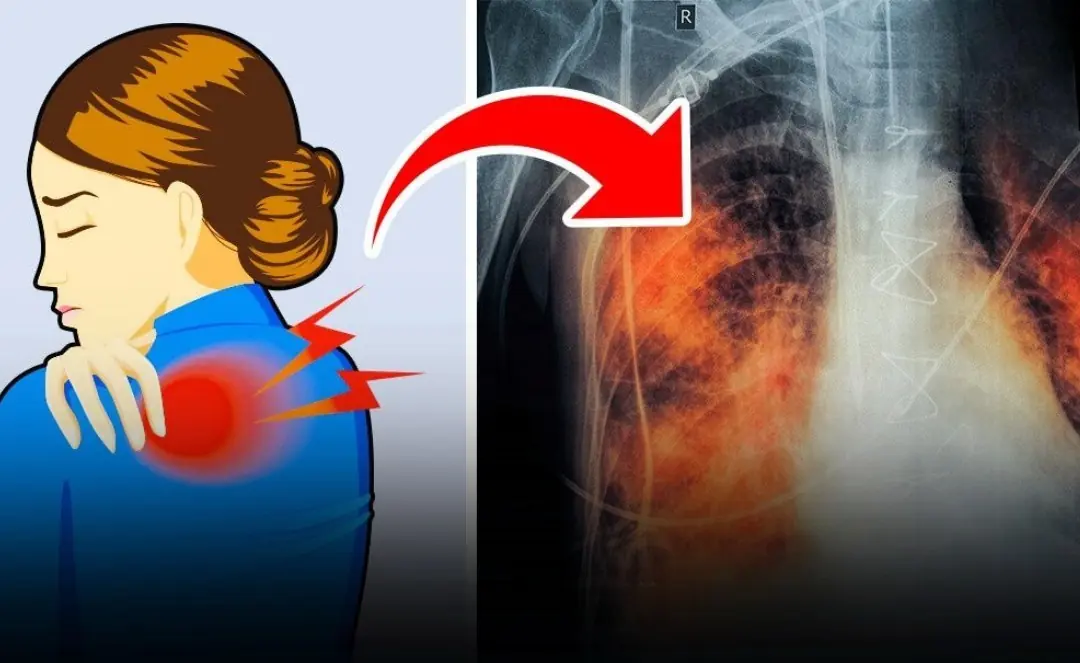
A Calm but Critical Reminder
The body rarely sends dramatic warnings at first. More often, it communicates quietly—through pain that lingers, discomfort that doesn’t resolve, or symptoms that feel “off.”
Listening early is not overreacting.
It is protecting your future.
If pain in the shoulder, chest, or upper back feels unusual, persistent, or unexplained, do not ignore it. Early evaluation can rule out serious causes—or catch them when they are most treatable.