Diagnosed With Stomach Cancer at 38: A Wake-Up Call Hidden in Everyday Leftovers
At first glance, the image is deeply unsettling. A man lies in a hospital bed, weakened and silent, while a worried loved one stands beside him. Overlayed is a graphic of a damaged stomach and a warning message that feels impossible to ignore. Diagnosed with stomach cancer at just 38 years old, his story has become a serious reminder that daily eating habits—especially how food is stored and reheated—can quietly affect long-term health.
This is not a story meant to create fear. It is a story meant to create awareness.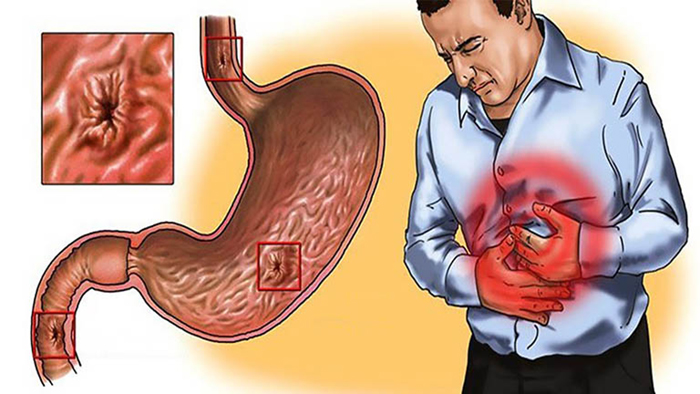
Stomach Cancer Is No Longer an “Older Person’s Disease”
Stomach cancer, also known as gastric cancer, is increasingly being diagnosed in younger adults worldwide. While genetics and infections such as Helicobacter pylori play major roles, doctors have repeatedly emphasized that dietary habits and food safety practices are key modifiable risk factors.
What many people do not realize is that danger does not always come from fast food or obvious junk. Sometimes, it comes from what feels harmless: leftovers sitting quietly in the fridge.
Why Leftovers Can Become Risky
Refrigeration slows bacterial growth, but it does not stop it completely. Certain foods, when stored or reheated improperly, can undergo chemical changes or bacterial contamination that irritate the stomach lining over time.
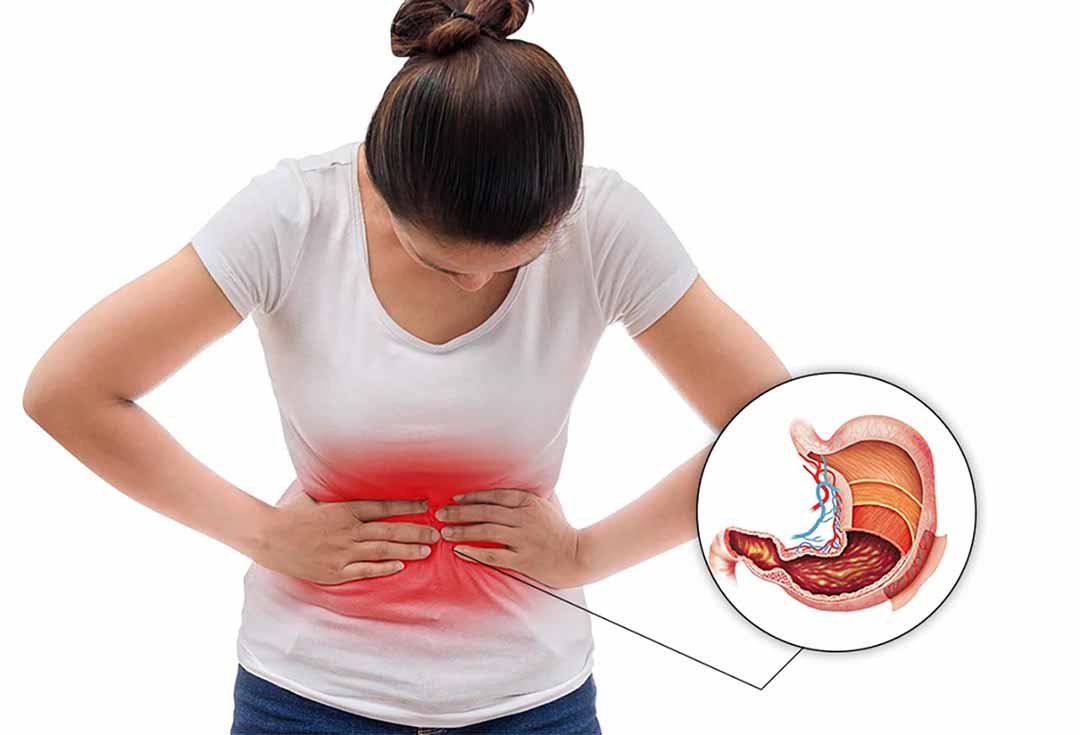
Chronic irritation, inflammation, and repeated exposure to harmful compounds can increase the risk of gastric disease—including cancer.
The danger is not immediate, which is why it is often ignored.
Leftover #1: Cooked Meats Stored Too Long
Cooked meats such as stews, braised dishes, and processed meats can become problematic when stored for several days.
Why they matter:
-
Protein-rich foods support bacterial growth if temperature control is inconsistent
-
Nitrites and nitrates (especially in processed meats) can form nitrosamines, compounds linked to stomach cancer
-
Repeated reheating increases oxidation and irritation to the gastric lining
Medical guidance generally recommends consuming cooked meat leftovers within 24–48 hours, not multiple days.
Leftover #2: Leafy Greens and Vegetable Dishes
Cooked vegetables, especially leafy greens like spinach, celery, or bok choy, are often seen as “safe forever.” That assumption is misleading.
The concern:
-
These vegetables contain nitrates
-
When stored too long or reheated repeatedly, nitrates can convert into nitrites, which are associated with gastric cancer risk
-
Children and people with sensitive stomachs are particularly vulnerable
This does not mean vegetables are harmful—only that fresh consumption matters.
Leftover #3: Soups, Broths, and Gravies
Soups feel comforting and harmless, but they are one of the most commonly mishandled leftovers.
Why caution is needed:
-
Large volumes cool slowly, allowing bacteria to multiply before refrigeration
-
Repeated reheating concentrates salts and irritants
-
Improper storage increases risk of microbial contamination
Soups should be cooled quickly, refrigerated promptly, and consumed within one to two days.
The Real Issue Is Not One Meal—It’s Repetition
Doctors are clear on one key point:
Eating leftovers occasionally does not cause cancer.
The risk comes from:
-
Long-term habits
-
Repeated exposure
-
Poor food storage practices
-
Chronic stomach inflammation
Stomach cancer develops silently over years, not days.
Other Factors That Increase Risk
Leftovers are only one part of the picture. Risk increases further when combined with:
-
Smoking
-
Excessive alcohol consumption
-
High-salt diets
-
Frequent consumption of pickled or heavily preserved foods
-
Ignoring chronic stomach symptoms
Early warning signs—such as persistent indigestion, bloating, nausea, or unexplained weight loss—should never be dismissed.
What This Man’s Story Teaches
Being diagnosed at 38 shattered the assumption that “there is still time.” His experience highlights a painful truth: prevention happens long before diagnosis.
Cancer does not always announce itself loudly. Sometimes, it grows quietly alongside everyday routines.
How to Reduce Risk Starting Today
Simple, realistic steps make a difference:
-
Eat leftovers within recommended time frames
-
Avoid repeated reheating
-
Reduce processed and heavily preserved foods
-
Store food at proper temperatures
-
Seek medical advice for persistent stomach discomfort
-
Schedule regular health checkups
Prevention is not about perfection—it is about consistency.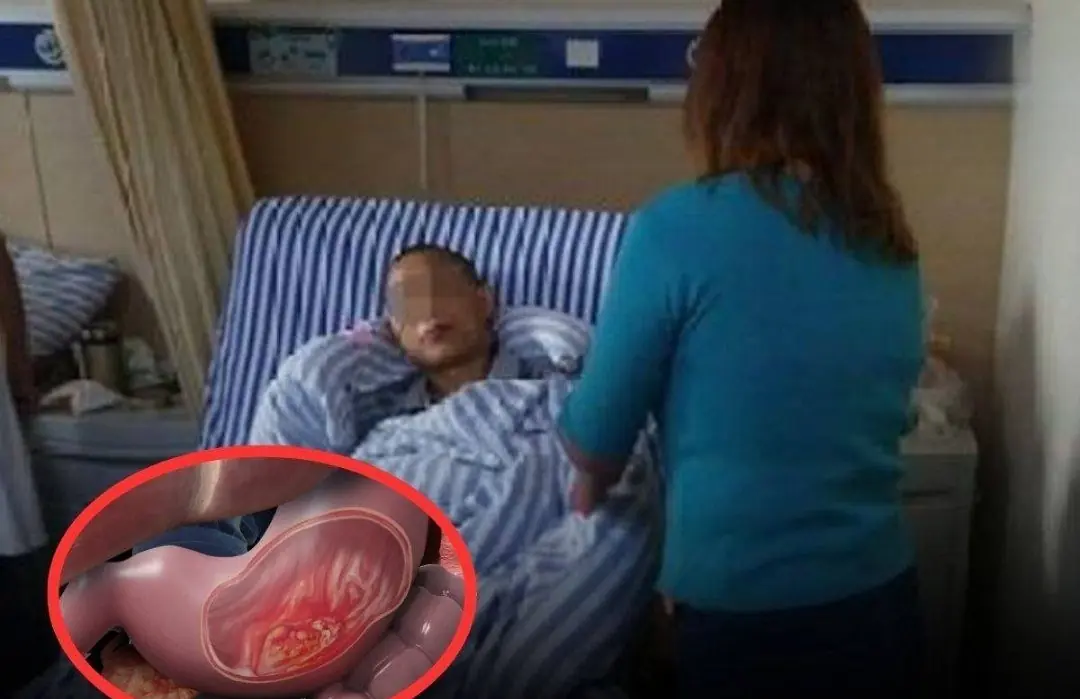
A Final Perspective
This image is not meant to blame food, fear the fridge, or create panic. It is meant to remind people that health is built in ordinary moments—in how food is stored, reheated, and consumed day after day.
Stomach cancer at 38 is tragic.
Learning from it is necessary.
Sometimes, the most dangerous risks are the ones that feel familiar, convenient, and safe—until they are not.