Why You Should Be Careful When Buying Garlic
Garlic is often stored for long periods, imported in bulk, and sometimes treated to extend shelf life. If storage conditions are poor, garlic can become a breeding ground for mold, bacteria, and toxins. In certain cases, garlic may also contain harmful chemical residues from pesticides or preservatives.
Choosing the wrong garlic doesn’t just ruin your meal—it can potentially cause food poisoning, digestive issues, and long-term health problems.
1) Moldy Garlic Bulbs (Black or Green Spots)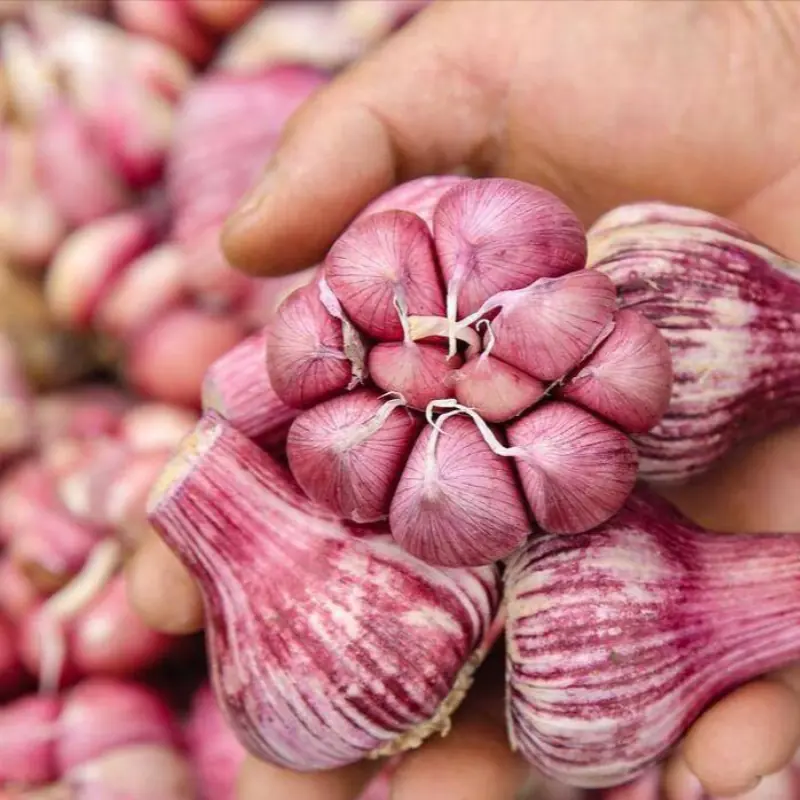
One of the biggest red flags is garlic with visible mold, especially:
-
Black dust-like patches
-
Green mold spots
-
Soft, damp areas under the skin
-
A strange musty smell
Moldy garlic may contain mycotoxins, which are harmful compounds produced by fungi. Eating mold-contaminated food can trigger stomach pain, vomiting, diarrhea, and in some cases may affect the liver over time.
✅ Tip: Always peel one clove to check. If the inside looks discolored or smells odd—throw it away.
2) Sprouted Garlic (Long Green Shoots)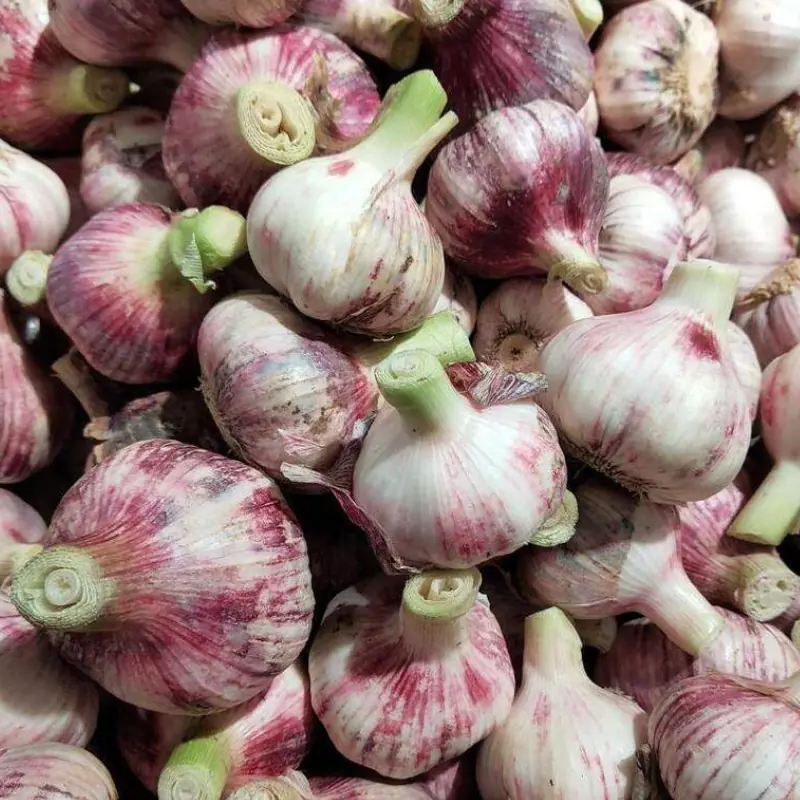
Sprouted garlic isn’t always “dangerous,” but it can indicate the garlic is old and poorly stored. Bulbs with long green sprouts often have:
-
A bitter taste
-
Lower nutritional value
-
Softer texture
-
Higher risk of mold growth inside
While small sprouts can be removed, garlic with large, thick shoots may already be breaking down. If the bulb feels soft or watery, it’s best to avoid it.
✅ Best choice: Buy garlic bulbs that are firm, heavy, and dry with minimal sprouting.
3) Soft or Mushy Garlic (Rotten Inside)
Garlic should feel hard and compact. If a bulb is:
-
Soft when pressed
-
Leaking moisture
-
Sticky or slimy
-
Collapsing or hollow inside
…it may be rotting. Rotten garlic can contain harmful bacteria and may cause foodborne illness, especially if eaten raw.
Many people make the mistake of cutting away the “bad parts.” But once garlic rots, bacteria can spread through the entire bulb.
✅ Rule: If one clove is mushy, discard the whole bulb.
4) Bleached or “Too Perfect” Garlic (Possible Chemical Treatment)
Some garlic bulbs look unnaturally clean—bright white, glossy, and “perfect.” In certain cases, garlic may be treated with:
-
Whitening agents
-
Preservatives
-
Anti-sprouting chemicals
-
Pesticide residues
This doesn’t mean all white garlic is unsafe. But if the garlic looks unnaturally shiny, has a strong chemical smell, or feels sticky, it may have been heavily processed.
✅ Safer option: Choose garlic with natural skin texture, slight dryness, and no chemical odor.
How to Choose Safe Garlic Every Time
To protect your health, follow these quick buying tips:
-
✅ Pick bulbs that are firm, dry, and heavy
-
✅ Avoid garlic with mold, softness, or strong odor
-
✅ Choose bulbs with tight skin and no wet spots
-
✅ Store garlic in a cool, dry, ventilated place
-
✅ Never buy garlic that looks overly polished or artificially treated