Accidentally adding too much salt while cooking happens to everyone—even experienced home chefs. You take one bite, and suddenly the dish tastes overwhelmingly salty. Most people panic and immediately reach for water to dilute it. But here’s the truth: adding water often ruins texture, weakens flavor, and turns your meal into a watery disappointment.
So what should you do instead?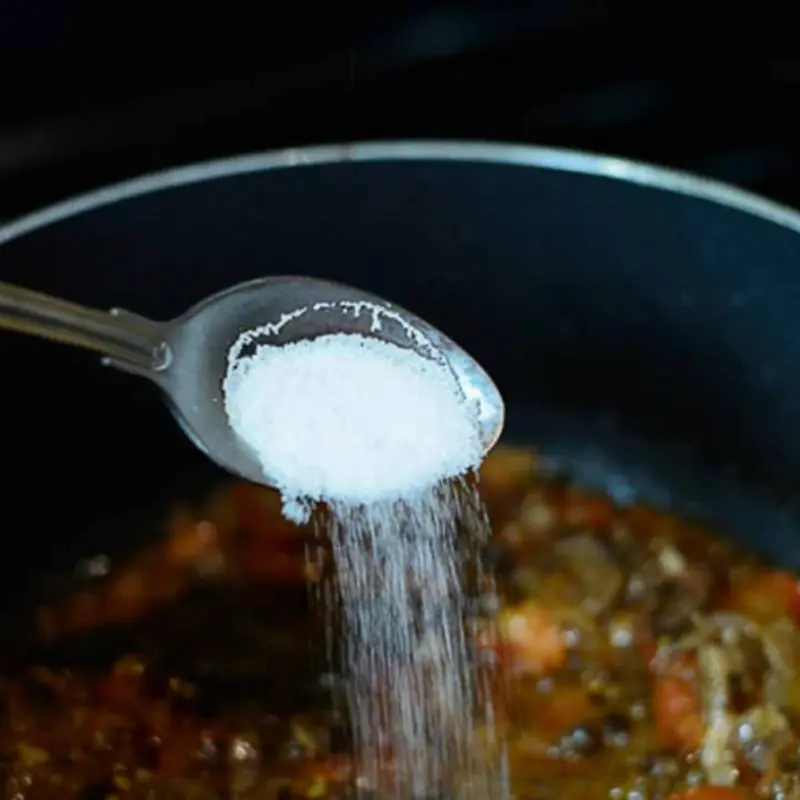
According to many culinary experts, the fastest and easiest way to fix an oversalted dish is to add acid—especially lemon juice or vinegar. This simple ingredient doesn’t remove salt, but it balances the taste and makes the saltiness less noticeable, bringing your dish back into harmony without changing the entire recipe.
In this article, you’ll learn why acid works, how to use it correctly, and other smart tricks to save your meal in minutes.
Why Acid Helps Reduce Saltiness
Salt intensifies flavor, but too much of it overwhelms everything else. Acidic ingredients like lemon juice, lime juice, apple cider vinegar, or white vinegar counter saltiness by stimulating a different taste receptor on your tongue. In simple terms: acid distracts your taste buds from the salt, creating a more balanced and pleasant flavor.
That’s why chefs often finish soups, sauces, and stews with a squeeze of citrus or splash of vinegar—even when the dish isn’t oversalted.
The Best Ingredient to Fix Oversalted Food: Lemon Juice or Vinegar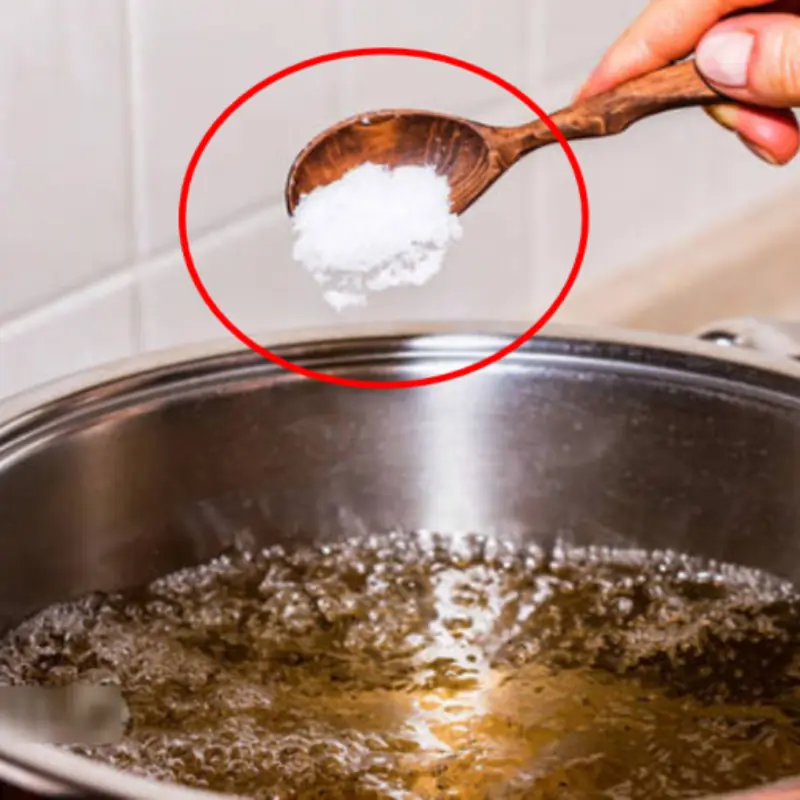
If your dish tastes too salty, the best solution is:
✅ Lemon juice (fresh is best)
✅ Vinegar (apple cider, white vinegar, or rice vinegar)
How to Use It Properly
To avoid making your dish sour, follow this simple rule:
-
Start with ½ teaspoon of lemon juice or vinegar.
-
Stir and taste.
-
Repeat slowly until the flavor improves.
This works especially well for:
-
Soups and broths
-
Sauces and gravies
-
Stir-fries
-
Stews and curries
-
Cooked vegetables
-
Meat and seafood dishes
Why You Shouldn’t Dilute with Water
Adding water may reduce salt concentration, but it often causes new problems:
❌ Weakens seasonings and spices
❌ Ruins thickness and texture
❌ Creates bland, watery food
❌ Forces you to cook longer to reduce again
Instead of solving the problem, it usually creates a bigger one.
Extra Smart Fixes If Your Dish Is Still Too Salty
Sometimes acid alone isn’t enough—especially if the dish is heavily oversalted. Here are additional professional tricks:
1. Add More Ingredients
The simplest way to reduce salt is to increase the total volume of food:
-
Add more vegetables
-
Add more pasta, rice, or potatoes
-
Add extra meat or beans
This spreads the salt out naturally without ruining the dish.
2. Use Dairy to Soften the Taste
Dairy products help “smooth” salty flavors:
-
Cream
-
Coconut milk
-
Yogurt
-
Unsalted butter
Perfect for soups, curries, and sauces.
3. Add a Touch of Sweetness (Carefully)
A tiny bit of sugar or honey can balance saltiness:
-
¼ teaspoon sugar
-
A few drops of honey
Be careful—too much sweetness will change the dish completely.
4. Use a Starchy Absorber
Some people use a potato slice to absorb salt. While it won’t remove all salt, it can help in soups and broths:
-
Add a peeled potato chunk
-
Simmer 10–15 minutes
-
Remove the potato
The Best Prevention Tip for Next Time
To avoid oversalting in the future:
✅ Add salt gradually
✅ Taste as you cook
✅ Remember salty ingredients (soy sauce, bouillon, fish sauce) already contain sodium
One small habit—tasting before adding more—can save your dish every time.
Final Thoughts: Save Your Meal in Seconds
Oversalted food doesn’t have to go in the trash. The next time your dish turns out too salty, don’t reach for water. Instead, reach for lemon juice or vinegar and let acidity restore balance quickly.
With this simple kitchen trick, you’ll rescue soups, sauces, and meals in minutes—without losing flavor, texture, or your time.