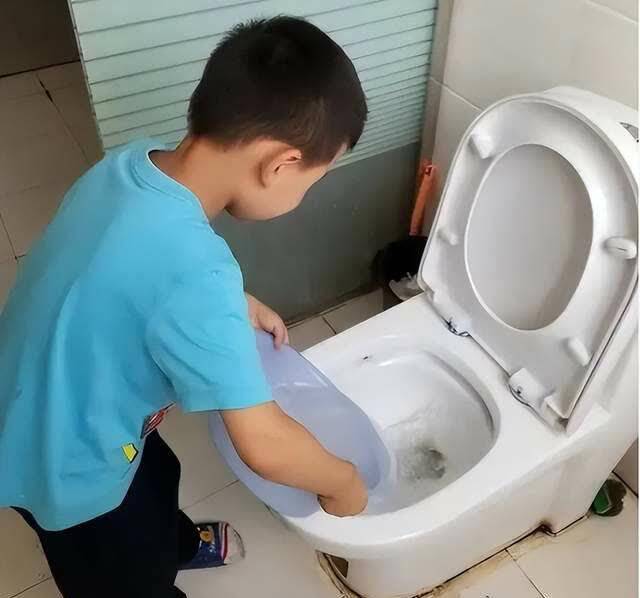
In many homes, the toilet is often treated as a quick and convenient disposal point for unwanted liquids. Leftover water from washing dishes,
cleaning floors, rinsing cups, or even unfinished beverages is sometimes poured directly into the toilet without much thought. While this habit
may seem harmless and practical, it can actually create serious problems over time - not only for household plumbing, but also for the
environment and public water systems.
Understanding why domestic wastewater should not be poured into the toilet is an important step toward more responsible living. Small daily
habits, when repeated by millions of households, can have long-lasting consequences.
1. Environmental Damage and Water Pollution
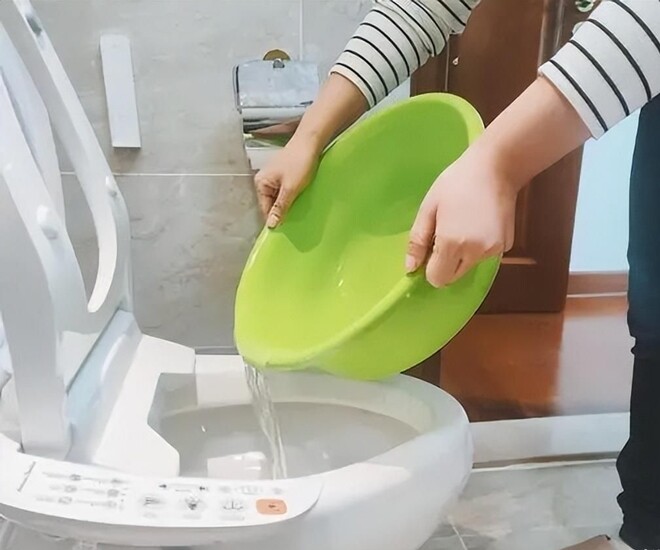
One of the most serious consequences of pouring household wastewater into the toilet is its impact on the environment. Domestic
wastewater often contains substances such as grease, oils, soap residue, detergents, food particles, and chemical cleaning agents. These
materials may appear diluted, but together they place a heavy burden on wastewater systems.
When flushed, this wastewater enters the sewage network and is transported to wastewater treatment plants. While these facilities are
designed primarily to treat human waste and organic matter, they are not always equipped to fully neutralize complex chemicals, oils, or non-
biodegradable substances commonly found in household wastewater.
What this leads to:
-
Water pollution: Some pollutants pass through treatment processes and end up in rivers, lakes, and oceans. This contamination
-
damages aquatic ecosystems, harms fish and plant life, and disrupts natural biological balance.
-
Higher treatment costs: Treating wastewater with additional chemicals and contaminants requires more energy, time, and resources.
-
These increased costs are often reflected in higher utility bills for consumers.
2. Increased Stress on Household Plumbing Systems
Toilets are specifically designed to handle human waste and toilet paper - materials that break down easily in water. They are not intended to
process greasy liquids, food residue, or chemical mixtures.
Why this causes problems:
-
Pipe blockages: Oils and grease can solidify inside pipes, trapping food particles and debris. Over time, this buildup leads to clogs, slow
-
drainage, unpleasant odors, and sewage backups.
-
Long-term damage: Repeated exposure to unsuitable waste accelerates wear and tear on pipes, seals, and fixtures. This can eventually
-
result in leaks, cracked pipes, or costly plumbing repairs.
What may seem like a harmless shortcut today can turn into an expensive plumbing issue tomorrow.
3. Waste of Clean Water Resources
Fresh water is becoming increasingly scarce in many parts of the world. Despite this, toilets use a significant amount of clean water with every
flush - often around 6 liters (1.6 gallons) each time.
When domestic wastewater is poured into the toilet, clean water is wasted simply to transport liquids that could have been disposed of more
responsibly.
Why this matters:
-
Unnecessary water consumption: Using clean water to flush non-essential waste increases household water usage and contributes to
-
water scarcity.
-
Higher environmental footprint: More water flowing through treatment systems requires more energy and chemicals, increasing the
-
environmental impact of water treatment facilities.
Responsible water use begins with understanding where clean water is truly needed and where it isn’t.
4. Improper Disposal of Harmful Chemicals
Many household cleaning products contain strong chemicals such as bleach, ammonia, disinfectants, and solvents. When these substances
enter wastewater systems through toilets, they can pose serious risks.
Potential consequences:
-
Chemical contamination: Toxic substances can escape treatment processes and enter natural waterways, endangering aquatic life and
-
potentially affecting human health.
-
Disruption of treatment processes: Wastewater treatment relies on biological systems to break down waste. Harsh chemicals can kill
-
beneficial bacteria, reducing the effectiveness of treatment and allowing pollutants to pass through untreated.
This creates a chain reaction where both infrastructure and ecosystems suffer.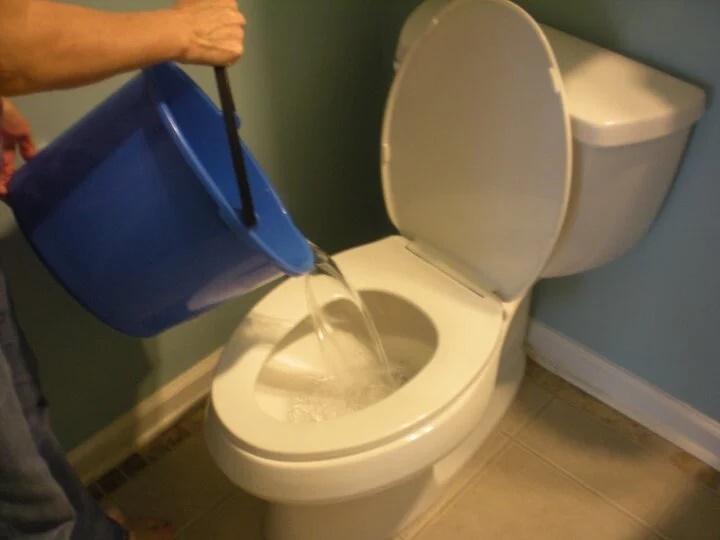
5. Safer and More Sustainable Alternatives
Fortunately, there are practical and eco-friendly alternatives to pouring wastewater into the toilet.
What you can do instead:
Use proper waste disposal:
Dispose of oils, grease, and food scraps in the trash, not down drains or toilets.
Install a greywater system:
Greywater recycling systems collect water from sinks, showers, and washing machines and reuse it for non-drinking purposes such as garden
irrigation or toilet flushing. This reduces water waste and lowers pressure on sewage systems.
Choose eco-friendly products:
Opt for biodegradable, low-toxicity cleaning products that are safer for both plumbing and the environment.
Upgrade to water-efficient appliances:
Modern dishwashers and washing machines use significantly less water, reducing the amount of wastewater produced in your home.
Conclusion: Small Habits, Big Consequences
Pouring leftover household wastewater into the toilet may seem convenient, but the long-term effects are far from harmless. This habit
contributes to water pollution, strains wastewater treatment systems, damages household plumbing, and wastes precious clean water.
By becoming more mindful of how wastewater is handled and choosing responsible alternatives, households can reduce their environmental
footprint and protect essential infrastructure. Simple changes - such as proper disposal, using eco-friendly products, and conserving water -
can make a meaningful difference.
Sustainable living isn’t about drastic lifestyle changes. It begins with awareness, responsibility, and the small decisions we make every day.