The rubber gasket around your refrigerator door may seem like a small, unimportant detail, but it plays a critical role in keeping your
appliance efficient and your food fresh. This flexible seal helps keep cold air inside when the door is closed, preventing energy loss and
maintaining a stable internal temperature.
Unfortunately, when cleaning the refrigerator, many people focus only on shelves and storage compartments while completely overlooking
the rubber gasket. Over time, moisture, food residue, and dust settle into its narrow grooves. In these damp conditions, dirt builds up easily
and mold can begin to grow - affecting both hygiene and appearance, and even weakening the seal itself if left untreated.
Regularly cleaning the rubber gasket not only improves cleanliness but also extends the life of your refrigerator and reduces unnecessary
energy consumption. Below are several effective methods you can use to remove dirt, stains, and mold from the gasket safely and thoroughly.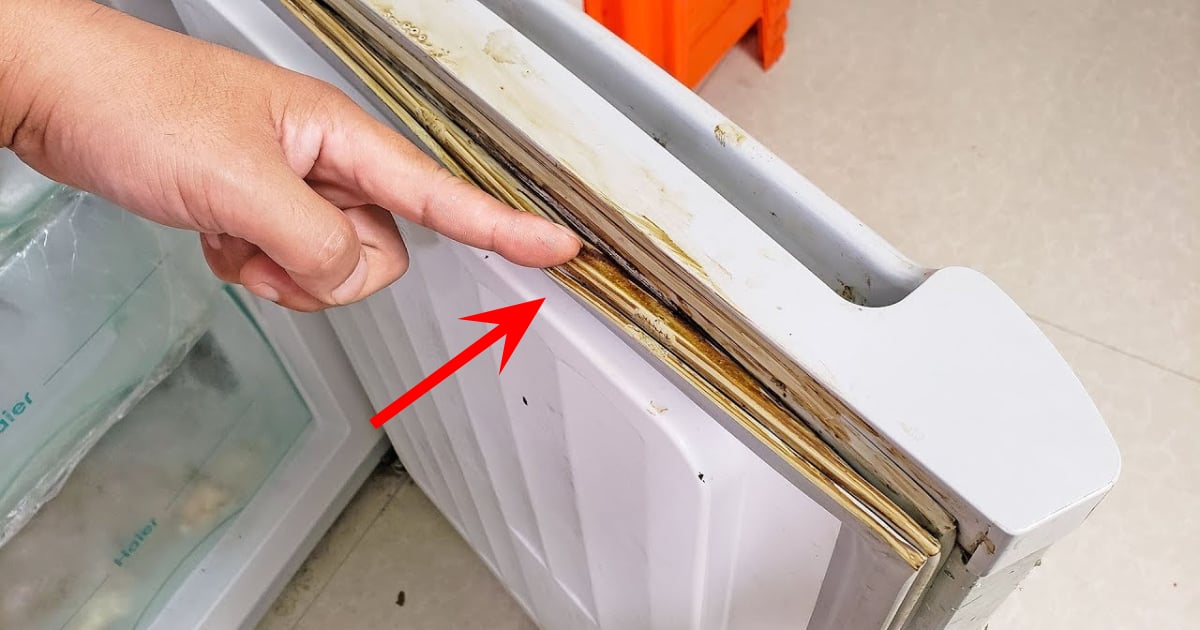
Method 1: Cleaning with Vinegar
Vinegar is a natural disinfectant and works well for removing mold and odors.
Start by mixing vinegar and water in a 1:5 ratio, then add a few drops of regular dish detergent. Stir the solution gently until combined.
Dip an old toothbrush into the mixture and scrub along the entire rubber gasket, paying special attention to the folds and corners where
grime and mold tend to hide. The soft bristles allow you to reach into tight spaces without damaging the rubber.
Once you have scrubbed thoroughly, wipe the gasket with a clean, dry cloth to remove moisture.
For stubborn dirt trapped deep inside narrow crevices, wrap a thin paper towel around a stiff card - such as an old ATM card or loyalty card
and gently slide it along the grooves. This simple trick helps lift out residue that brushes and cloths cannot reach.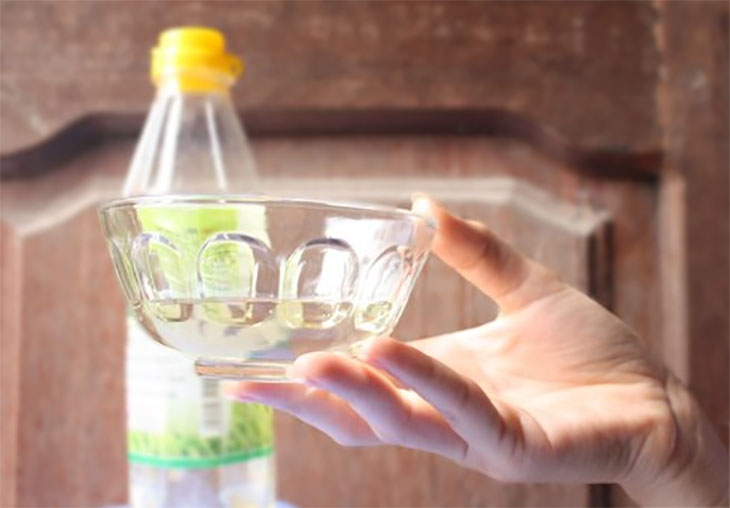
Method 2: Cleaning with Baking Soda
Baking soda is another excellent household cleaner, especially effective for lifting stains and neutralizing odors.
Mix baking soda with a small amount of vinegar or freshly squeezed lemon juice until it forms a smooth paste. Using a toothbrush, apply the
paste to the rubber gasket and scrub gently but thoroughly.
The mild abrasive action of baking soda helps remove embedded dirt without scratching the surface. After cleaning, wipe the gasket with a
clean, damp cloth, then dry it completely.
As with the vinegar method, a paper towel wrapped around a stiff card can be used to clean deep crevices and ensure no residue remains..jpg)
Method 3: Cleaning with White Alcohol
White alcohol (such as rubbing alcohol) is highly effective at killing bacteria and mold.
Soak a clean cloth in white alcohol and wipe the entire gasket carefully. Focus on areas showing dark spots or mold growth, applying light
pressure to loosen stains.
Once the gasket has been wiped, go over it again with a damp cloth to remove any remaining alcohol and loosened dirt. Finish by drying the
gasket thoroughly with a clean towel.
This method is particularly useful for disinfecting and preventing future mold growth.
Method 4: Using a Mold Removal Solution
If mold stains are severe or have been present for a long time, a specialized mold removal product may be necessary.
Always follow the instructions provided on the product label. Wear protective gloves to avoid skin irritation, and ensure proper ventilation
while cleaning.
After applying the mold remover and allowing it to work as directed, wipe the gasket thoroughly with a clean cloth to remove all residue and
chemical traces. Dry the gasket completely to prevent moisture buildup.
Final Tips for Maintenance
-
Clean the rubber gasket at least once a month
-
Always dry the gasket after cleaning to prevent mold regrowth
-
Avoid using sharp tools that may damage the rubber
-
Check for cracks or looseness that may reduce sealing efficiency
Conclusion
A clean refrigerator gasket is essential for hygiene, energy efficiency, and long-term appliance performance. With regular care and simple
household ingredients, you can keep this often-neglected area clean, mold-free, and fully functional. A few minutes of attention each month
can make a noticeable difference in both cleanliness and the lifespan of your refrigerator.