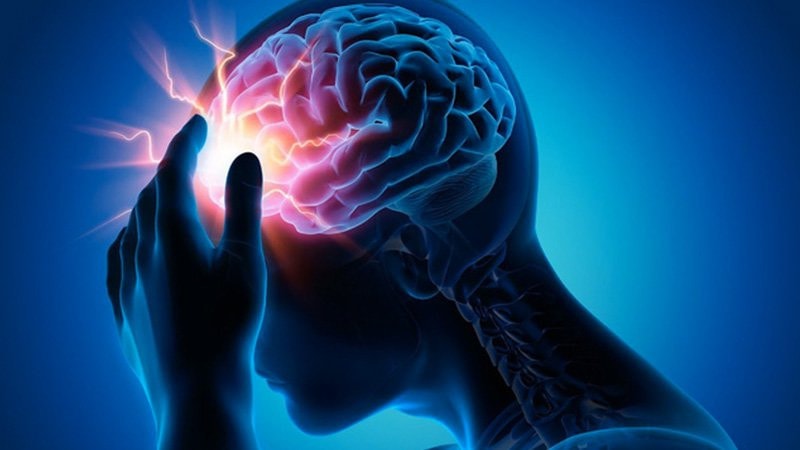
A brain aneurysm is a weakened, bulging area in the wall of an artery supplying the brain. Many aneurysms remain small and silent for years,
causing no noticeable symptoms. Others, however, may rupture without warning, leading to a subarachnoid hemorrhage (SAH) - a life-
threatening type of bleeding in the brain that requires immediate medical attention.
When a rupture occurs, minutes matter. Rapid recognition and urgent treatment can mean the difference between recovery, permanent brain
damage, or death. Understanding the warning signs and knowing how to respond - is essential.
This article explains the seven most important signs of a ruptured brain aneurysm, why they happen, what actions to take, and how to
reduce your risk through prevention and healthy lifestyle choices.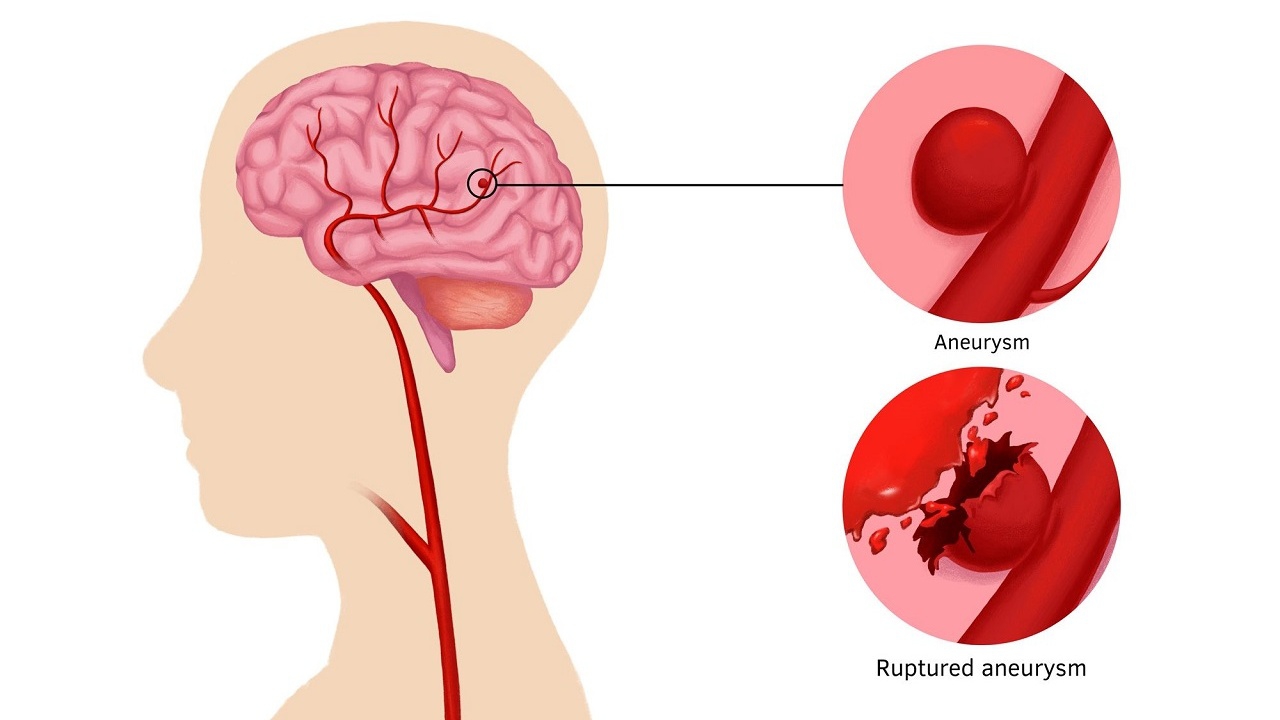
What Happens When a Brain Aneurysm Ruptures?
When an aneurysm ruptures, blood spills into the space surrounding the brain. This sudden bleeding increases pressure inside the skull,
disrupts normal brain function, and deprives brain tissue of oxygen. The result is a rapid cascade of symptoms that often escalate within
minutes.
1. Sudden, Severe Headache
The most well-known and common symptom of a ruptured brain aneurysm is a sudden, explosive headache. Many people describe it as “the
worst headache of my life.” It typically appears without warning and reaches peak intensity almost instantly.
Why it happens:
Blo.od leaking into the brain irritates surrounding tissues and nerves, triggering intense pain signals.
What to do:
Do not wait or self-medicate. A sudden, extreme headache requires immediate emergency medical care, even if it partially improves.
2. Nausea and Vomiting
Severe headache is often accompanied by sudden nausea and repeated vomiting, especially in the early stages of rupture.
Why it happens:
Ble.eding increases pressure inside the skull, affecting areas of the brain that regulate nausea and balance.
What to do:
When nausea and vomiting occur alongside a sudden headache, treat it as a medical emergency and seek help immediately.
3. Sudden Vision Problems
A ruptured aneurysm can cause blurred vision, double vision, partial vision loss, or complete loss of vision in one or both eyes.
Why it happens:
Pressure and bleeding may affect the optic nerves or visual processing centers in the brain.
What to do:
Any sudden change in vision - especially when paired with headache or dizziness — warrants urgent evaluation.
4. Severe Neck Pain or Stiffness
Neck stiffness or sharp neck pain often appears shortly after rupture and may worsen with movement.
Why it happens:
Blo.od leaking into the space around the brain irritates the meninges (protective membranes), causing muscle stiffness and pain.
What to do:
Neck pa.in combined with headache, nausea, or light sensitivity is a red flag. Seek emergency care immediately.
5. Loss of Consciousness or Fainting
Some individuals experience fainting or complete loss of consciousness, either briefly or for an extended period.
Why it happens:
Blee.ding disrupts blo.od flow and oxygen delivery to the brain, overwhelming its ability to function normally.
What to do:
Call emergency services immediately. Loss of consciousness is a critical sign of severe brain injury.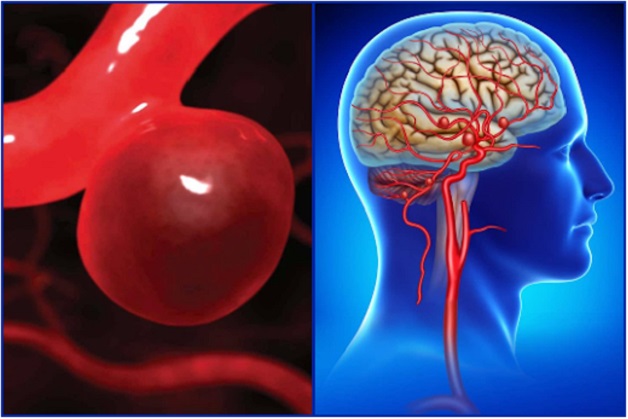
6. Extreme Sensitivity to Light
Photophobia - intense discomfort or pain when exposed to light - frequently accompanies a ruptured aneurysm.
Why it happens:
Increased pressure and irritation of brain tissues affect visual pathways and light-processing centers.
What to do:
Light sensitivity combined with headache or nausea requires urgent medical assessment.
7. Seizures
Some people experience seizures, including convulsions, loss of awareness, or uncontrolled movements.
Why it happens:
Blood in the brain disrupts electrical signaling, triggering abnormal neural activity.
What to do:
Seizures following a headache or collapse are a medical emergency. Immediate intervention is essential.
When to Treat Symptoms as an Emergency
Call emergency services immediately if any of the following occur:
-
Sudden, severe headache
-
Vision loss or confusion
-
Loss of consciousness
-
Seizures
-
Neck stiffness with fever or vomiting
Time-sensitive treatment significantly improves survival and neurological outcomes.
How to Reduce the Risk of Brain Aneurysm and Rupture
While not all aneurysms can be prevented, lowering risk factors dramatically reduces the chance of rupture.
1. Control High Blood Pressure
Chronic high blood pressure weakens artery walls over time.
What helps:
-
Monitor blood pressure regularly
-
Reduce salt intake
-
Maintain a healthy weight
-
Take prescribed medications consistently
2. Avoid Smoking
Smoking damages blood vessels and accelerates arterial weakening.
What helps:
-
Quit smoking entirely
-
Avoid secondhand smoke
-
Seek cessation programs if needed

3. Limit Alcohol Consumption
Excessive alcohol increases blood pressure and vascular stress.
What helps:
-
Moderate intake (up to one drink daily for women, two for men)
-
Avoid binge drinking
4. Manage Cholesterol Levels
High cholesterol contributes to arterial damage.
What helps:
-
Eat a diet rich in fruits, vegetables, whole grains, and healthy fats
-
Exercise regularly
-
Follow medical guidance for cholesterol control
5. Stay Physically Active
Exercise supports cardiovascular health and vessel integrity.
What helps:
-
At least 150 minutes of moderate exercise per week
-
Strength training to support circulation
6. Reduce Chronic Stress
Long-term stress raises blood pressure and inflammation.
What helps:
-
Deep breathing, meditation, or yoga
-
Adequate sleep
-
Regular relaxation activities
7. Know Your Family History
Genetics play a role in aneurysm risk.
What helps:
-
Inform your doctor about family history
-
Consider screening if risk is elevated
8. Get Regular Medical Checkups
Early detection saves lives.
What helps:
-
Routine blood pressure and cholesterol screening
-
Imaging tests when recommended
-
Prompt evaluation of unusual neurological symptoms
Final Thoughts: Awareness Saves Lives
A ruptured brain aneurysm is one of the most serious medical emergencies. The symptoms are sudden, severe, and unmistakable once you
know what to look for. Early recognition, rapid action, and proper prevention can dramatically reduce the risk of death or permanent brain
damage.
Protecting your brain starts with awareness and continues with everyday choices that support vascular health. Taking care of your body
today may prevent a life-threatening emergency tomorrow.