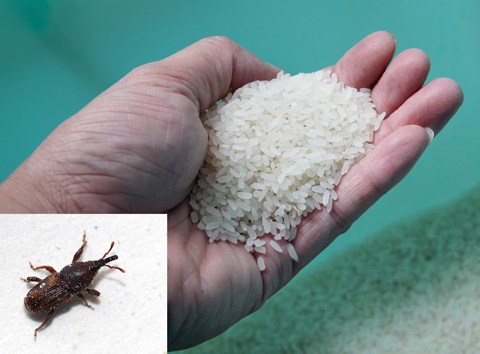
Proper rice storage plays a crucial role in preventing pests such as moths, extending shelf life, and preserving the rice’s natural aroma and quality when cooked. When rice is stored incorrectly, it becomes highly vulnerable to insect infestation - especially rice moths - which can quickly ruin large quantities.
Below are effective, time-tested methods to help you store rice safely, naturally, and efficiently.
Why Rice Easily Attracts Moths
Rice moths thrive in warm, humid environments. Moisture, poor ventilation, and improper containers create ideal breeding conditions. Once moths appear, they multiply rapidly and can spread to other stored foods.
Preventing infestation is far easier than dealing with it afterward - making correct storage essential.
Effective Ways to Store Rice and Prevent Moths
1. Store Rice in a Cool, Dry Place
Humidity is the biggest enemy of stored rice. Always keep rice in a dry, well-ventilated area, away from direct sunlight and moisture sources. Avoid placing rice directly on the floor, as ground moisture can seep upward and encourage pests.
This method works best when storing small to moderate amounts of rice, so it’s recommended to buy quantities that can be used within a short period.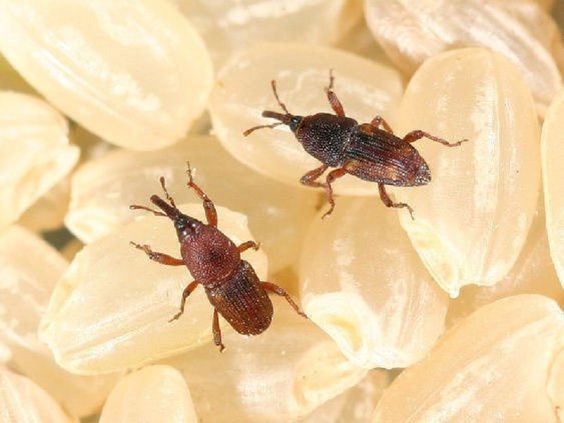
2. Use the Right Storage Containers
After thoroughly cleaning and drying the rice, transfer it into a clean, sanitized container. Many households use rice bins designed to hold 10–40 kg, which make daily use convenient.
For maximum protection:
-
Choose containers with airtight lids
-
Glass jars, metal containers, or food-grade plastic bins work well
-
Containers with rubber sealing rings provide extra protection against insects and moisture
3. Store Rice in Plastic Bags or Bottles
Sealing rice in thick plastic bags or large plastic bottles is an effective way to block insects, dust, and moisture.
Important tips:
-
Ensure bags or bottles are completely dry
-
Seal tightly after filling
-
Store in a cool, shaded location
Moisture trapped inside will cause mold, so dryness is essential.
4. Use Dried Chilies as a Natural Repellent
Chilies are not only for cooking—they also work as a natural insect deterrent. Their strong, spicy aroma discourages moths and other pests.
How to use:
-
Cut a dried chili in half
-
Remove the seeds
-
Place it inside the rice container
This method is simple, chemical-free, and surprisingly effective.
5. Use High-Proof Alcohol
Some households place a small bottle of high-proof white alcohol (over 41% alcohol content) inside the rice container as an added precaution.
How it works:
-
Slightly open the bottle
-
Place it upright inside the container, with the neck above the rice
-
Seal the container tightly
Alcohol evaporates easily, killing insects and preventing mold growth without contaminating the rice.
6. Use Black Pepper
Black pepper has antifungal properties and a strong scent that insects dislike.
How to use:
-
Place black peppercorns into a small cloth pouch or a folded face mask
-
Puncture a small hole for scent release
-
Place the pouch in corners of the rice container
Store the container in a cool, well-ventilated area for best results.
7. Always Use Airtight Storage
Airtight containers are among the most effective ways to prevent moths, mold, and moisture buildup.
Key tips:
-
Regularly check bags for holes
-
Avoid reusing containers that once held chemicals or paint
-
Choose containers specifically made for food storage
-
Keep rice at least 20 cm off the ground to improve airflow and reduce moisture exposure
8. Store Rice in the Refrigerator
Cold temperatures kill insects and prevent moth eggs from hatching. Storing rice in an airtight container in the refrigerator keeps it fresh and odor-free.
If fridge space is limited:
-
Divide rice into smaller portions
-
Store in sealed zip-lock bags
-
Refrigerate only what you won’t use immediately
9. Use Garlic as a Natural Protector
Garlic contains allicin, a natural antibacterial compound that helps prevent mold and insect infestation.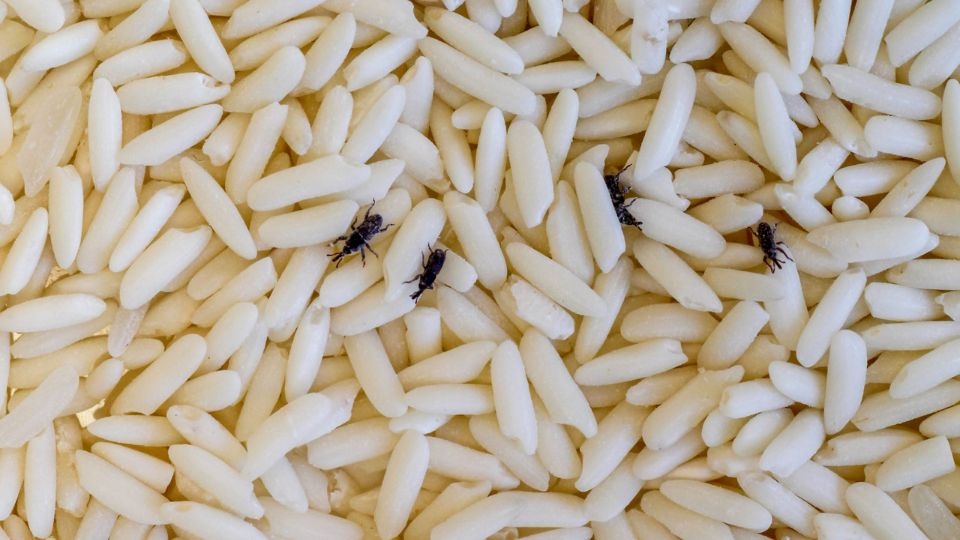
How to use:
-
Place several unpeeled garlic cloves into the rice container
-
Replace them once they dry out
Garlic’s strong smell keeps pests away while remaining safe for food storage.
Common Reasons Rice Gets Infested
-
Storing rice in direct sunlight
-
High humidity or poor ventilation
-
Wet or unclean storage containers
-
Buying large quantities and storing them too long
Cracked or degraded rice caused by heat and moisture is more attractive to insects.
What to Do If Rice Already Has Moths
If moths appear:
-
Do not expose rice to sunlight, as insects will burrow deeper
-
Gently sift the rice to remove visible pests
-
Place rice in a shaded, breezy area to allow remaining insects to leave
-
Transfer rice into a clean, airtight container immediately
Recommended Storage Time for Rice
For best quality:
-
Buy only what you can use within 2 months
-
In cooler seasons, rice may last up to 1 month
-
In hot summer conditions, use rice within 2 weeks
Fresh rice cooks better, tastes better, and is far less likely to attract pests.
Final Thoughts
Proper rice storage doesn’t require expensive tools - just awareness, cleanliness, and the right techniques. By controlling moisture, choosing suitable containers, and using natural pest repellents, you can keep rice fresh, aromatic, and insect-free for much longer.
A little preparation goes a long way in protecting one of the most important staples in your kitchen.