A viral health graphic is circulating online with a clear message: “5 Early Clues of Thyroid Cancer You Shouldn’t Ignore.” The image shows the front of a person’s neck, highlighting the thyroid gland and a small suspicious-looking nodule, with a magnified view of abnormal cells. While social media headlines can be dramatic, the topic is important. Thyroid cancer is often highly treatable—especially when detected early—yet many people overlook early warning signs because they seem minor or resemble common throat problems.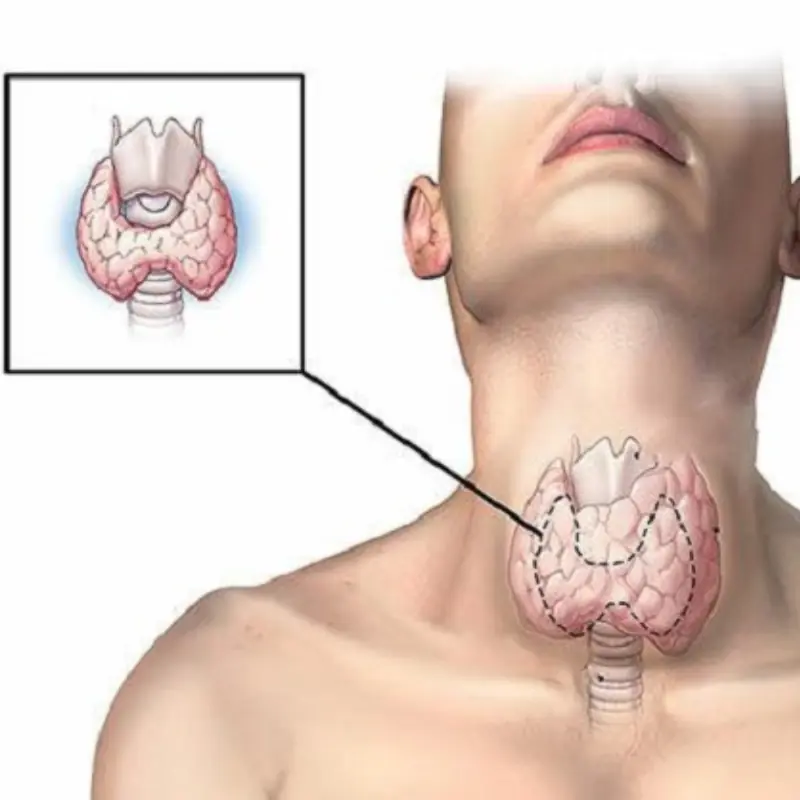
Doctors emphasize that most thyroid lumps are not cancer. Many nodules are benign, and thyroid disorders can also cause symptoms that mimic other conditions. Still, knowing the early clues can help people seek evaluation sooner, when treatment tends to be simpler and outcomes are generally better.
Understanding the Thyroid and Why Symptoms Can Be Subtle
The thyroid is a small, butterfly-shaped gland located at the front of the neck. It produces hormones that regulate metabolism, temperature, heart rate, and energy. Because it sits close to the voice box, windpipe, and swallowing muscles, changes in the thyroid—such as a growing nodule—can sometimes affect breathing, swallowing, or the voice.
Here are five early clues that healthcare professionals commonly advise people to take seriously.
1) A Lump or Swelling in the Neck
The most common early sign is a new lump or swelling in the front of the neck. Some people notice it while looking in the mirror, shaving, or putting on makeup. Others feel a firm bump when touching the area around the Adam’s apple. A thyroid nodule can be painless, and the absence of pain does not guarantee it is harmless. Any new or enlarging neck lump should be evaluated, especially if it persists.
2) Persistent Hoarseness or Voice Changes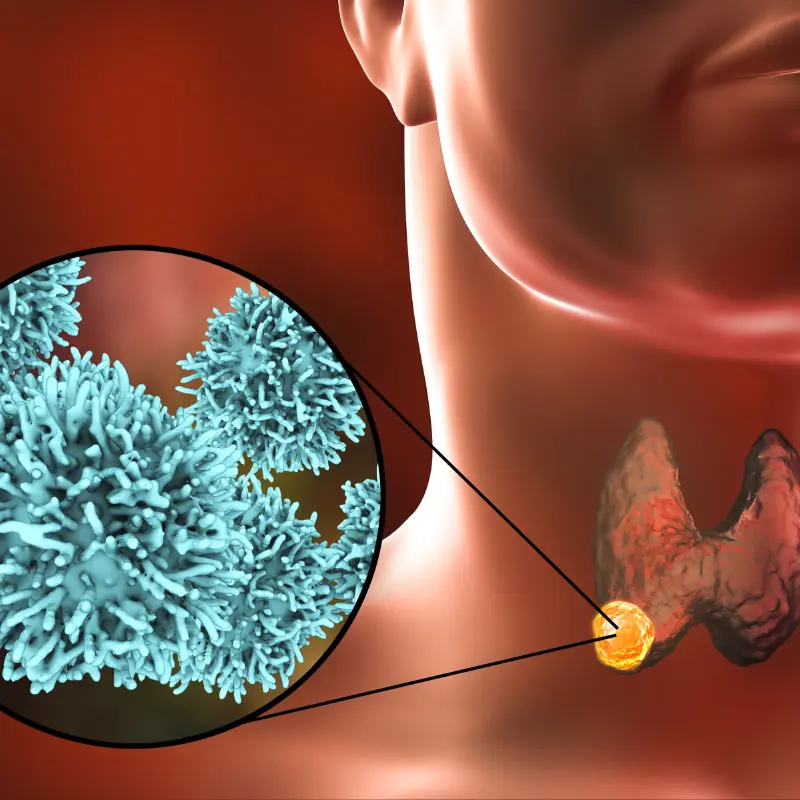
Because the thyroid sits near nerves that control the vocal cords, a growing mass can sometimes affect the voice. Hoarseness that lasts more than a couple of weeks—particularly without a cold or clear infection—deserves medical attention. Many benign issues can cause hoarseness, but persistent change is a reason to check.
3) Difficulty Swallowing or a “Stuck” Sensation
Some people describe feeling as if food is catching in the throat or that there is pressure when swallowing. This can happen if a nodule presses on the esophagus. Occasional throat discomfort is common, but ongoing swallowing difficulty—especially if it worsens—should not be ignored.
4) Trouble Breathing or a Tight Feeling in the Throat
Large nodules or thyroid enlargement can press on the windpipe. People may notice shortness of breath, noisy breathing, or discomfort when lying flat. While asthma, anxiety, and reflux can also cause breathing symptoms, a sensation of tightness in the front of the neck that persists warrants evaluation.
5) Swollen Lymph Nodes in the Neck
Lymph nodes can enlarge for many reasons, including infections. However, swollen nodes that do not resolve, especially when paired with a thyroid lump or voice/swallowing changes, should be checked. Persistent lymph node swelling can sometimes be an early clue that the body is reacting to something more serious.
When to See a Doctor—and What Testing Looks Like
If you notice any of the signs above for more than two to three weeks, or if symptoms are worsening, it’s wise to seek medical advice. Clinicians may perform a physical exam and recommend tests such as a thyroid ultrasound, blood tests to assess thyroid function, and in some cases a fine-needle aspiration biopsy to evaluate suspicious nodules.