A dramatic image circulating online warns that “five kinds of vegetables may harbor hidden worms” and claims that eating them raw is “like swallowing parasites directly.” The post, shared widely across social media pages, shows a close-up of dark-skinned seeds or beans alongside a magnified picture of a worm-like organism—an attention-grabbing combination designed to spark fear and disgust.
But while parasites are real and food safety matters, viral graphics often exaggerate risk, blur important details, and leave out the most useful information: how contamination actually happens and what steps reduce it.
Parasites and Produce: The Real Risk
Fresh vegetables can carry harmful organisms, including bacteria, protozoa, and—more rarely—parasitic eggs or larvae. This contamination usually doesn’t come from the vegetable “naturally hiding worms,” but from the environment: soil, irrigation water, fertilizer, animal waste, and handling during harvest, transport, or preparation. In other words, it’s less about one “dangerous” vegetable and more about how the produce is grown and cleaned.
Certain raw foods are higher-risk under specific conditions. Leafy greens with many folds can trap dirt. Herbs can be difficult to wash thoroughly. Root vegetables often carry soil. Sprouts can be risky because warm, moist growing conditions can support microbial growth. However, presenting a fixed list of “five vegetables” as universally dangerous is misleading. Risk depends on source, hygiene, and preparation—not just the type of vegetable.
Why the “Swallowing Parasites” Line Is Misleading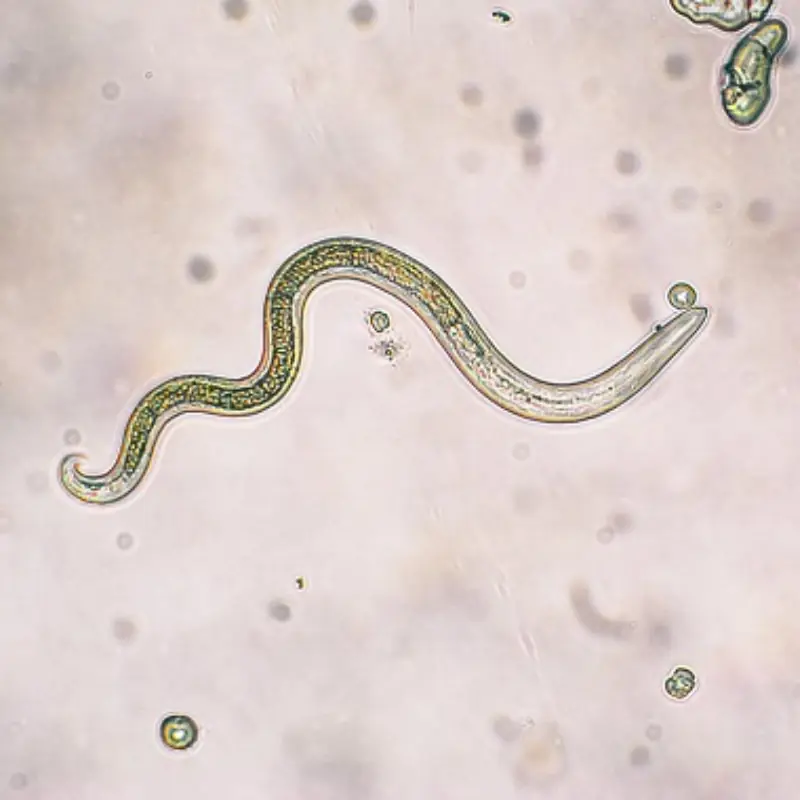
The claim that eating raw vegetables is equivalent to swallowing “all the parasites in your stomach” is not scientifically accurate. First, contamination levels vary widely, and most produce is not heavily infested. Second, the human body has defenses (stomach acid, immune response), and many organisms cannot survive or establish infection easily. Third, the biggest everyday foodborne risk from raw vegetables is often bacteria (like E. coli or Salmonella), not worms.
That said, parasite-related illness can occur, especially in regions with poor sanitation or when produce is irrigated with contaminated water. The correct takeaway isn’t panic—it’s proper cleaning and safe kitchen habits.
Practical Steps to Reduce Risk (Without Giving Up Salads)
If you enjoy raw vegetables, you don’t need to stop—but you should be careful:
-
Wash hands and tools first. Dirty hands or cutting boards can contaminate clean produce.
-
Rinse under running water. Rub firm produce (like cucumbers or carrots). For leafy greens, separate leaves and rinse thoroughly.
-
Soak and rinse wisely. Some people soak leafy greens briefly and then rinse again. Avoid excessive chemical use; if you use a food-safe produce wash, follow instructions carefully.
-
Peel or cook when appropriate. Peeling root vegetables reduces soil-related contamination. Cooking greatly reduces many risks.
-
Prevent cross-contamination. Keep raw meat and seafood separate from vegetables. Use different knives/boards if possible.
-
Choose reputable sources. Clean supply chains matter. Buy from sellers with good hygiene and proper storage.
-
Extra caution for vulnerable groups. Pregnant people, young children, older adults, and those with weakened immune systems may prefer cooked vegetables or be extra strict with washing.
The Bottom Line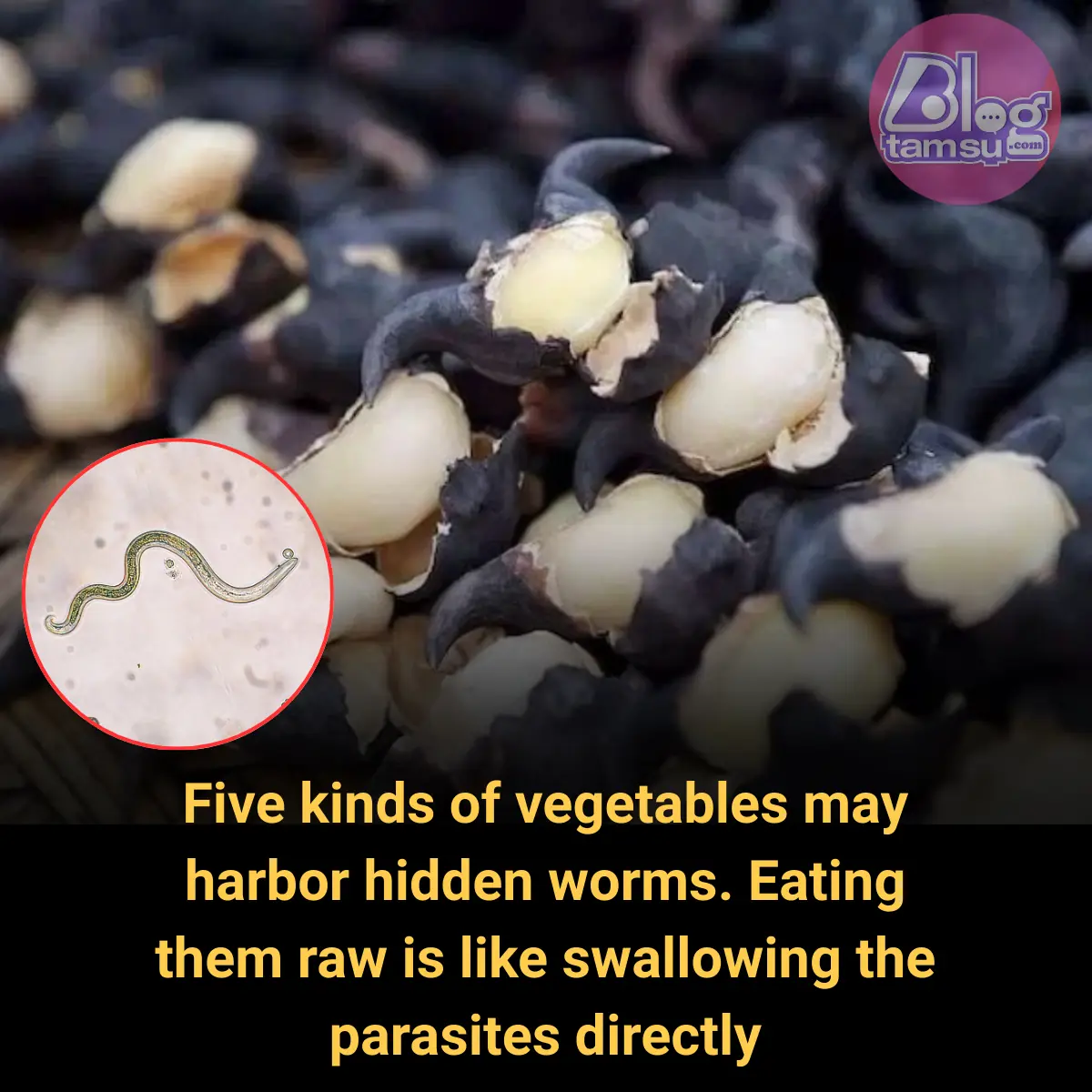
Images like this spread fast because they trigger a strong emotional reaction. But fear-based messaging can oversimplify a complex issue. Yes, vegetables can be contaminated, and yes, parasites exist—but the best response isn’t to avoid raw produce altogether. It’s to handle vegetables properly, wash them thoroughly, and maintain clean kitchen practices.