Chronic Bronchitis: Early Symptoms You Shouldn’t Ignore — and the Most Effective Treatments
Chronic bronchitis is often misunderstood as “just a long-lasting cough.” In reality, it is a serious, progressive lung condition that can quietly damage the airways over time if left untreated. Many people ignore the early signs, assuming they are due to weather changes, smoking, aging, or recurring colds. Unfortunately, this delay is one of the main reasons chronic bronchitis worsens and leads to long-term breathing problems.
Understanding the early symptoms — and knowing how the condition is treated — can make a crucial difference to lung health and quality of life.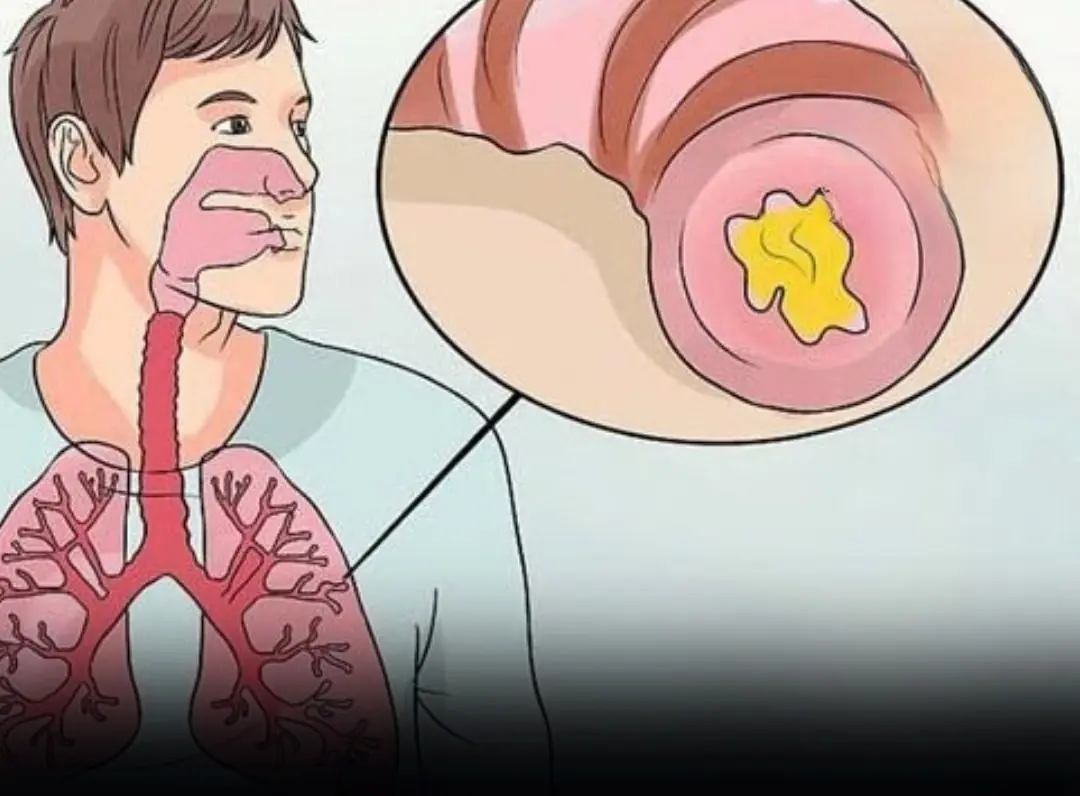
What Is Chronic Bronchitis?
Chronic bronchitis is a form of chronic obstructive pulmonary disease (COPD). It occurs when the bronchial tubes, which carry air to and from the lungs, become inflamed and irritated for long periods. As a result, the airways produce excess mucus, making it harder to breathe and easier for infections to develop.
Doctors typically diagnose chronic bronchitis when a person has a productive cough lasting at least three months in two consecutive years, without another identifiable cause.
Early Symptoms You Should Not Ignore
Chronic bronchitis rarely appears suddenly. Instead, it develops slowly, often sending warning signals long before serious damage occurs.
1. Persistent Cough With Mucus
A cough that produces thick, yellow or clear mucus is the most common early symptom. Many people dismiss it as “smoker’s cough” or a lingering infection, but a cough that keeps returning or never fully disappears is a red flag.
2. Shortness of Breath
Early on, breathlessness may only occur during physical activity, such as climbing stairs or walking quickly. Over time, even mild movement can trigger discomfort. This happens because inflamed airways restrict airflow.
3. Chest Tightness or Discomfort
Some people experience a heavy or tight feeling in the chest, especially in the morning. This sensation is often caused by mucus buildup and airway inflammation overnight.
4. Frequent Respiratory Infections
Chronic bronchitis weakens the lungs’ natural defenses. As a result, colds, flu, or chest infections may occur more often and take longer to resolve.
5. Wheezing and Noisy Breathing
A whistling or rattling sound while breathing indicates narrowed airways. This symptom may come and go at first, but it usually becomes more noticeable over time.
Why Early Treatment Matters
Ignoring early symptoms allows inflammation to persist, leading to permanent airway damage. Over time, oxygen levels may drop, infections become more severe, and daily activities become increasingly difficult. Early treatment helps slow disease progression, reduce flare-ups, and preserve lung function.
The Most Effective Treatments for Chronic Bronchitis
While chronic bronchitis cannot be completely cured, modern treatments can significantly improve symptoms and quality of life.
1. Smoking Cessation
This is the single most important step. Smoking is the leading cause of chronic bronchitis. Quitting reduces inflammation, slows lung damage, and improves response to treatment — even after years of smoking.
2. Medications to Open Airways
Bronchodilators relax airway muscles, making breathing easier. They are commonly delivered through inhalers and may be short-acting for quick relief or long-acting for daily control.
3. Anti-Inflammatory Treatments
In some cases, inhaled corticosteroids are prescribed to reduce airway inflammation and lower the risk of flare-ups.
4. Mucus-Thinning Therapy
Expectorants and proper hydration help loosen thick mucus, making it easier to cough out and reducing chest congestion.
5. Pulmonary Rehabilitation
This structured program combines breathing exercises, physical training, and education. It helps patients improve endurance, control breathlessness, and manage symptoms more confidently.
6. Oxygen Therapy (When Needed)

In advanced cases, oxygen therapy may be required to maintain healthy oxygen levels and reduce strain on the heart.
Lifestyle Changes That Support Lung Health
-
Avoid air pollution and secondhand smoke
-
Stay physically active within safe limits
-
Get vaccinated against flu and pneumonia
-
Maintain a balanced diet to support immunity
-
Practice breathing techniques to improve lung efficiency
When to See a Doctor
You should seek medical advice if a cough with mucus lasts longer than a few weeks, if breathlessness worsens, or if respiratory infections become frequent. Early evaluation allows doctors to confirm the diagnosis and tailor treatment before serious complications develop.
A Final Thought
Chronic bronchitis does not begin as a life-altering illness — it becomes one when warning signs are ignored. Paying attention to early symptoms and acting promptly can protect your lungs for years to come. Breathing should never be a struggle, and with the right care, it doesn’t have to be.