Red Dots on Your Skin: Common Causes and What They Could Mean
Noticing small red dots appearing on your skin can be unsettling, especially when they seem to show up suddenly or increase over time. While many people immediately fear something serious, the truth is that red spots on the skin can have a wide range of causes—most of them harmless. However, in some cases, these dots can signal underlying health issues that should not be ignored.
Understanding what these red dots are, why they appear, and when to seek medical advice can help you respond calmly and appropriately.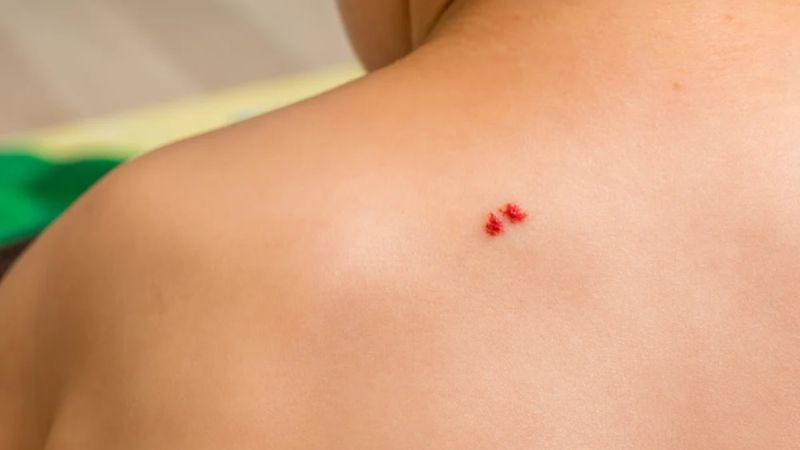
What Are Red Dots on the Skin?
Red dots on the skin can vary in size, shape, texture, and distribution. Some are flat, others slightly raised. Some fade when pressed, while others do not. These differences are important clues in identifying their cause.
They may appear on the arms, chest, back, legs, or abdomen, and can be temporary or permanent depending on the underlying reason.
Common Causes of Red Dots
1. Cherry Angiomas
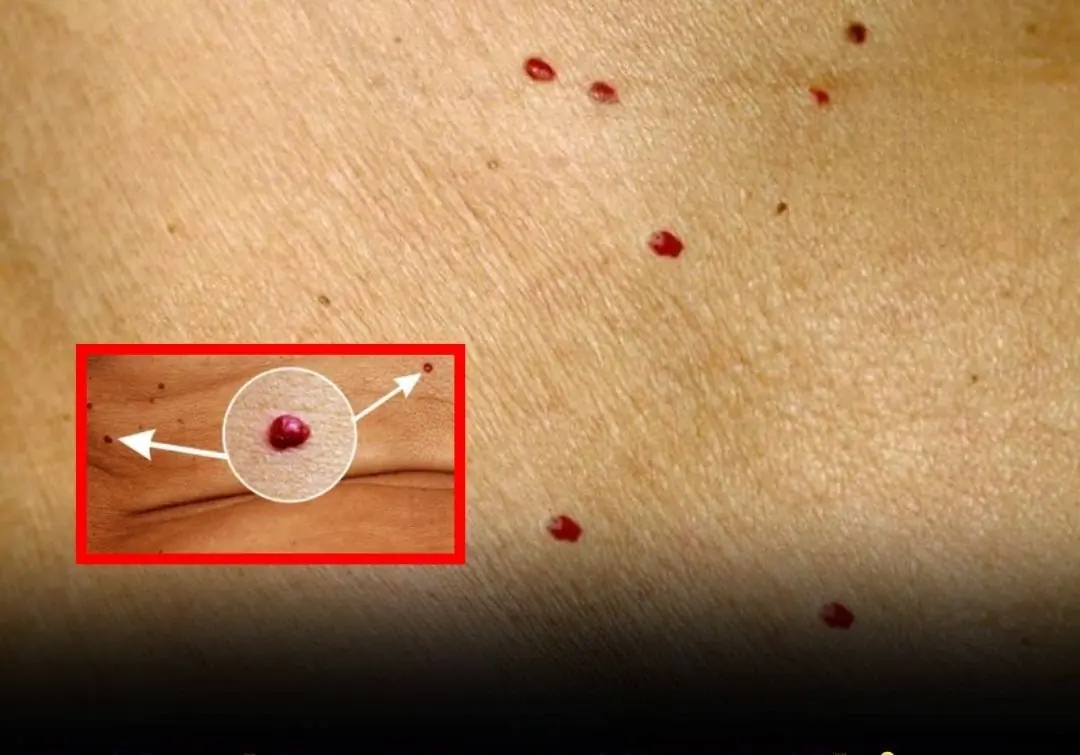
One of the most common causes of small, bright red dots is cherry angiomas. These are benign growths made up of tiny blood vessels and often look like small red or purple bumps.
They usually:
-
Appear after age 30
-
Increase with age
-
Are painless and harmless
Cherry angiomas do not require treatment unless they bleed frequently or cause cosmetic concern.
2. Petechiae
Petechiae are tiny red or purple dots caused by bleeding under the skin. Unlike cherry angiomas, they do not fade when pressed.
Possible causes include:
-
Minor trauma or pressure
-
Intense coughing or vomiting
-
Certain medications
-
Blood clotting disorders
If petechiae appear suddenly, spread rapidly, or are accompanied by fever or fatigue, medical evaluation is essential.
3. Allergic Reactions
Skin allergies can cause red spots or rashes, often accompanied by itching, swelling, or burning sensations.
Common triggers include:
-
Food allergies
-
Medications
-
Insect bites
-
Skincare or laundry products
Allergic red dots usually improve once the trigger is removed, but severe reactions may require medical treatment.
4. Heat Rash
Heat rash occurs when sweat becomes trapped in blocked sweat ducts, commonly in hot or humid conditions.
It often appears as:
-
Small red bumps
-
Clusters in skin folds or under clothing
-
Mild itching or prickling
Heat rash is generally harmless and resolves with cooling and proper skin ventilation.
5. Folliculitis
Folliculitis is inflammation of hair follicles, often caused by bacteria, fungi, or irritation.
It may look like:
-
Small red bumps
-
Pimples with a white center
-
Tender or itchy spots
This condition is usually mild but can worsen if scratched or left untreated.
Less Common but Important Causes
In some cases, red dots may indicate more serious conditions, such as:
-
Autoimmune disorders
-
Viral or bacterial infections
-
Vasculitis (inflammation of blood vessels)
-
Blood or platelet abnormalities
These causes are more likely when red dots are accompanied by symptoms like fever, unexplained bruising, fatigue, joint pain, or weight loss.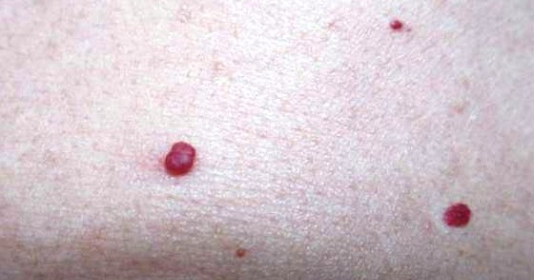
When Should You Be Concerned?
You should consider seeing a doctor if:
-
Red dots appear suddenly and spread quickly
-
They do not fade over time
-
They bleed easily or change in size or color
-
You experience additional symptoms such as fever, weakness, or pain
Early evaluation can rule out serious conditions and provide peace of mind.
Diagnosis and Treatment
Doctors diagnose red skin dots through:
-
Visual examination
-
Medical history
-
Blood tests (if needed)
-
Skin biopsy in rare cases
Treatment depends entirely on the cause. Many cases require no treatment at all. Others may improve with topical creams, allergy management, or treatment of underlying conditions.
Can Red Dots Be Prevented?
While not all red dots are preventable, you can reduce risk by:
-
Protecting your skin from excessive sun exposure
-
Avoiding known allergens
-
Maintaining good hygiene
-
Staying hydrated and supporting skin health through balanced nutrition
Regular health check-ups also help identify potential internal causes early.
A Calm and Informed Approach Matters
Seeing red dots on your skin does not automatically mean something is wrong. In most cases, they are harmless changes that come with age, environment, or minor skin irritation. However, your skin is also a reflection of your internal health.
Paying attention—without panic—is the best approach. When in doubt, a medical professional can provide clarity, reassurance, and guidance. Listening to your body early is always better than ignoring signs that persist.