Bruised Legs: When They’re Harmless—and When They Could Signal Something Serious
Bruises on the legs are common. Most of the time, they appear after bumping into furniture, minor falls, or everyday activities you barely remember. However, when bruises appear frequently, worsen quickly, or show up without any clear cause, they can be a warning sign that something more serious is happening inside the body.
The image above highlights an important message: not all bruises are innocent. In certain cases, bruised or discolored legs may be linked to underlying medical conditions that require attention.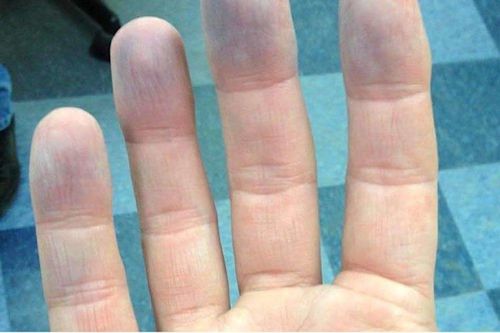
Why Bruises Form in the First Place
A bruise occurs when small blood vessels under the skin break and leak blood into surrounding tissue. Normally, this happens after an impact or pressure. The body gradually reabsorbs the blood, and the bruise fades over days or weeks.
Problems arise when bruising:
-
Happens easily or frequently
-
Appears without injury
-
Takes a long time to heal
-
Comes with swelling, pain, or skin color changes
These patterns may suggest issues beyond simple trauma.
Common but Often Overlooked Causes
Before assuming the worst, it’s important to understand that some non-dangerous factors can make bruising more likely.
These include:
-
Aging skin, which becomes thinner and more fragile
-
Vitamin deficiencies, especially vitamin C, K, or B12
-
Certain medications such as blood thinners, aspirin, or steroids
-
Intense physical activity
While these causes are usually manageable, they should still be monitored—especially if bruising becomes more severe over time.
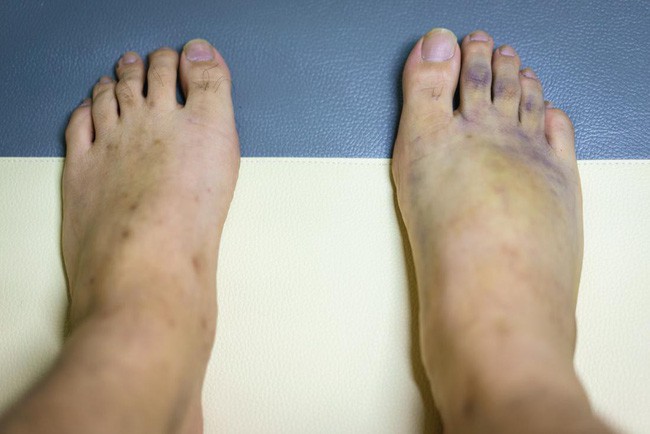
Potentially Serious Conditions Linked to Bruised Legs
In some cases, bruised legs may be associated with more serious health problems. These conditions do not mean bruising alone equals disease, but they raise concern when bruising is persistent or unexplained.
1. Circulatory Disorders
Poor blood circulation can cause blood to pool in the legs, leading to discoloration, bruising, swelling, and a heavy sensation. Chronic venous insufficiency is one example, where veins struggle to return blood to the heart efficiently.
Over time, this can weaken blood vessels and make bruising more likely.
2. Blood Clotting Disorders
Conditions that affect how blood clots can cause easy bruising. When clotting factors or platelets are low or dysfunctional, even minor pressure can lead to visible bruises.
This type of bruising may appear suddenly, spread quickly, or be accompanied by nosebleeds, bleeding gums, or prolonged bleeding from small cuts.
3. Liver Disease
The liver plays a key role in producing proteins needed for blood clotting. When liver function is impaired, bruising can occur more easily and may appear darker or more widespread.
Bruised legs linked to liver problems may also come with symptoms like fatigue, yellowing of the skin or eyes, and abdominal discomfort.
4. Inflammatory or Autoimmune Conditions
Certain autoimmune diseases cause inflammation of blood vessels, making them fragile and prone to leakage. This can result in bruising, purple patches, or tender spots on the legs.
These conditions often come with additional symptoms such as joint pain, fever, weakness, or unexplained weight loss.
5. Infections or Serious Skin Conditions
Some infections can affect blood vessels or the skin itself, leading to bruised or purplish areas that may feel warm or painful. In rare cases, these can progress quickly and require urgent medical care.
Warning Signs You Should Not Ignore
Seek medical advice if bruised legs are accompanied by:
-
Swelling that does not go down
-
Pain, warmth, or redness
-
Rapid spread of discoloration
-
Fever or general illness
-
Bruises appearing without any remembered injury
These signs suggest that bruising may be more than a cosmetic issue.
How Doctors Evaluate Unusual Bruising
To determine the cause, healthcare providers may:
-
Review medication and supplement use
-
Ask about diet and recent injuries
-
Order blood tests to assess clotting and organ function
-
Perform imaging tests if circulation issues are suspected
Early evaluation helps rule out serious conditions and allows treatment to begin before complications develop.

Protecting Your Leg and Overall Health
While not all bruises can be prevented, you can reduce risk by:
-
Maintaining a balanced diet rich in vitamins
-
Staying physically active to support circulation
-
Avoiding unnecessary medication use without guidance
-
Monitoring changes in skin color, swelling, or pain
Regular health check-ups are especially important if bruising patterns change suddenly.
A Balanced Perspective Matters
Bruised legs do not automatically mean you have a serious disease. In most cases, the cause is minor and treatable. However, your body uses bruising as a signal, and repeated or unexplained signals deserve attention.
Being careful does not mean being afraid. It means listening to your body, asking questions early, and taking action before small signs turn into big problems. When it comes to your health, caution is not overreaction—it is prevention.