Kidneys play a vital role in keeping the body healthy. They filter waste from the blood, balance fluids, control electrolytes, and help regulate blood pressure. When the kidneys begin to struggle, the earliest symptoms may not always appear in the abdomen or lower back—doctors say some warning signs can show up in a surprising place: your feet.
While foot discomfort is common and often caused by minor issues such as tight shoes or overuse, experts advise paying attention when symptoms are persistent, worsening, or paired with other health changes. In some cases, unusual foot symptoms may be linked to kidney function and circulation problems.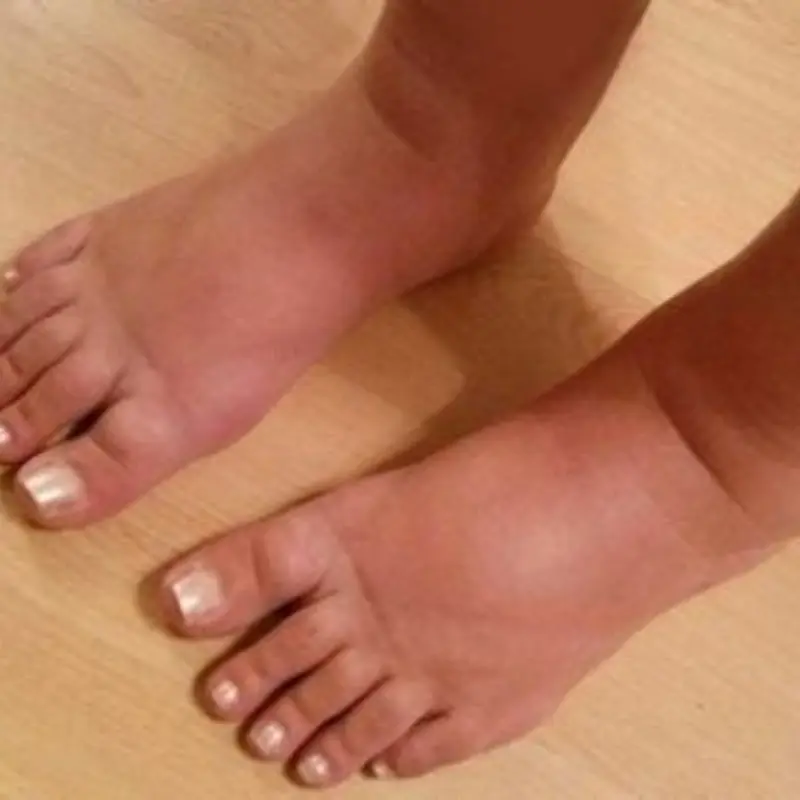
Why Kidney Issues Can Affect the Feet
Kidney problems can lead to fluid retention, poor circulation, nerve damage, and chemical imbalances in the body. When the kidneys do not remove excess water and salt effectively, swelling often appears in the lower body because gravity pulls fluids downward.
In addition, chronic kidney disease is frequently connected to conditions like diabetes and high blood pressure, which can affect nerves and blood vessels in the legs and feet.
Doctors stress that foot symptoms alone do not confirm kidney disease—but they can be important clues.
Symptom #1: Swelling in the Feet and Ankles
One of the most noticeable signs linked to kidney trouble is swelling, also called edema. This happens when excess fluid builds up in tissues.
You may notice:
-
puffiness around the ankles
-
tight shoes that suddenly feel uncomfortable
-
swelling that worsens later in the day
-
“pitting” (a dent remains after pressing the skin)
Swelling can also be caused by heart issues, liver problems, pregnancy, or prolonged standing, so medical evaluation is essential if it becomes frequent.
Symptom #2: Persistent Foot Pain or Cramping
Some people with kidney issues report muscle cramps or pain in the legs and feet. This may happen because the kidneys help balance minerals such as calcium, sodium, and potassium. When these levels shift, muscles can cramp more easily—especially at night.
Frequent cramping may also be associated with dehydration, medication side effects, or nerve issues. But if cramps occur regularly and are accompanied by fatigue or swelling, doctors recommend checking kidney health.
Symptom #3: Burning, Tingling, or Numbness
A burning or tingling sensation in the feet can be a sign of nerve damage, often called peripheral neuropathy. Kidney disease can contribute to nerve problems because toxins may build up in the body when filtration declines.
This symptom is also common in diabetes, vitamin deficiencies, and thyroid disorders. Still, doctors suggest it should not be ignored—especially if it spreads, worsens, or affects daily life.
Symptom #4: Dry, Itchy, or Unusually Irritated Skin
Kidney problems may cause very dry or itchy skin, including around the feet. When kidneys struggle, they may not maintain the right mineral balance, and waste products can build up in the bloodstream, leading to skin irritation.
If skin dryness is extreme and does not improve with moisturizers, or if itching is intense and persistent, it may be worth discussing with a healthcare provider.
Symptom #5: Changes in Foot Color or Slow-Healing Wounds
Poor kidney function is often linked with blood vessel problems. As a result, some individuals may notice:
-
feet that look pale, bluish, or unusually dark
-
cold feet due to poor circulation
-
cuts or sores that heal slowly
-
increased infection risk around the toes or nails
Slow healing can also be a warning sign of diabetes or circulation disorders, both closely tied to kidney health.
When to Seek Medical Help
Doctors recommend scheduling a medical checkup if foot symptoms are:
-
persistent for more than 1–2 weeks
-
worsening over time
-
paired with fatigue, nausea, poor appetite, or high blood pressure
-
accompanied by changes in urination (foam, blood, frequency, or color changes)
Early detection of kidney problems can prevent serious complications.
How to Protect Kidney Health
Experts suggest simple lifestyle habits that support kidney function:
-
manage blood pressure and blood sugar
-
drink water appropriately (not excessive, not too little)
-
reduce excess salt intake
-
avoid smoking
-
limit long-term overuse of painkillers
-
get regular health screenings