Pouring hot water down the kitchen sink may seem helpful, but it actually poses two major risks many people don’t know about
Many people believe that pouring hot water down the kitchen sink can cause greater harm than they realize.
Many households have the habit of pouring hot water—such as water used to blanch vegetables, boil vegetables, or even freshly boiled water—down the sink to clear clogs or eliminate bad odors. However, pouring hot water into the kitchen sink like this can lead to bigger problems than you might expect.
Reasons why you should not pour hot water down the kitchen sink
– Accelerates aging of drain pipes
Drain pipes in the kitchen are usually made of plastic. Although some pipes are designed to be heat-resistant, repeatedly flushing hot water through them over a long period of time will cause the pipes to age more quickly.
If you continue to pour hot water down the kitchen sink drain regularly, you may soon need to replace the drain pipes.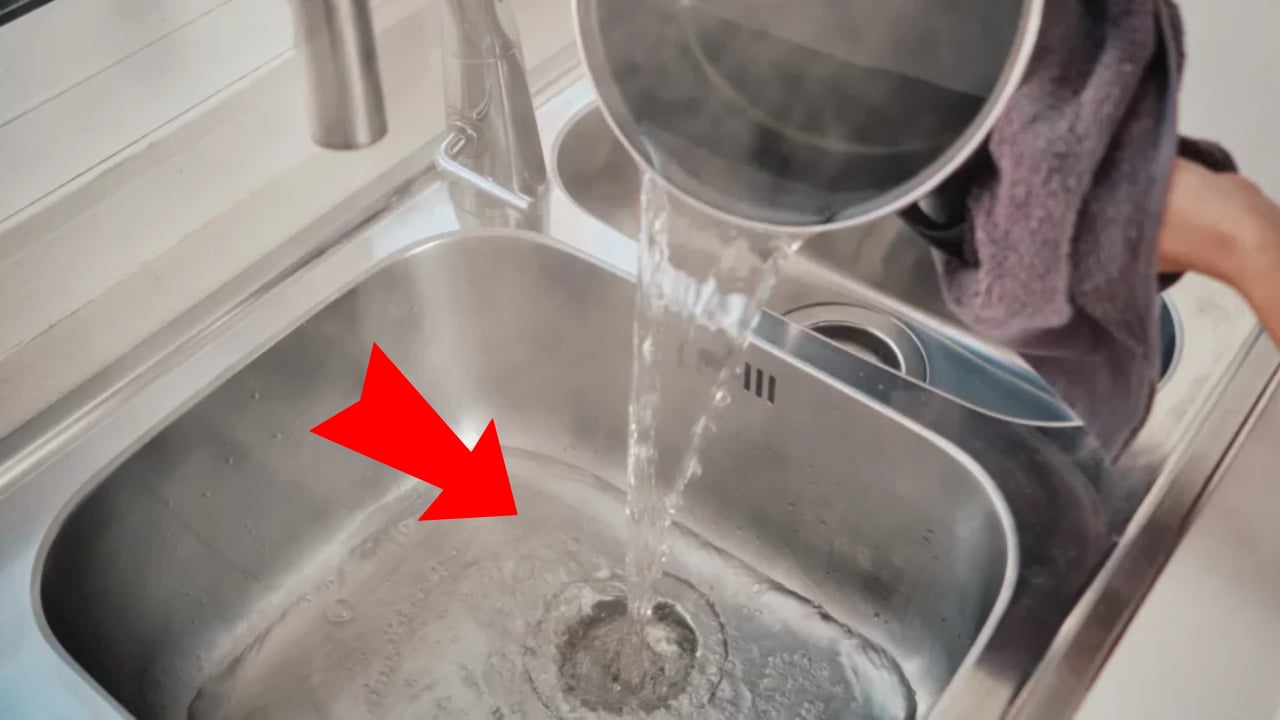
– Causes pipes to deform, crack, or break
Depending on the material used, drain pipes have different levels of heat resistance and durability. If your pipes are made of PVC, you should be especially careful, as this type of pipe does not tolerate heat well. Meanwhile, water used for boiling or blanching vegetables often has a very high temperature, sometimes above 90°C (194°F). Pouring such hot water into the drain can cause the pipes to deform, crack, or break. Leaking water may also damage kitchen cabinets, especially those made of wood.
Some ways to clear drain clogs caused by grease buildup
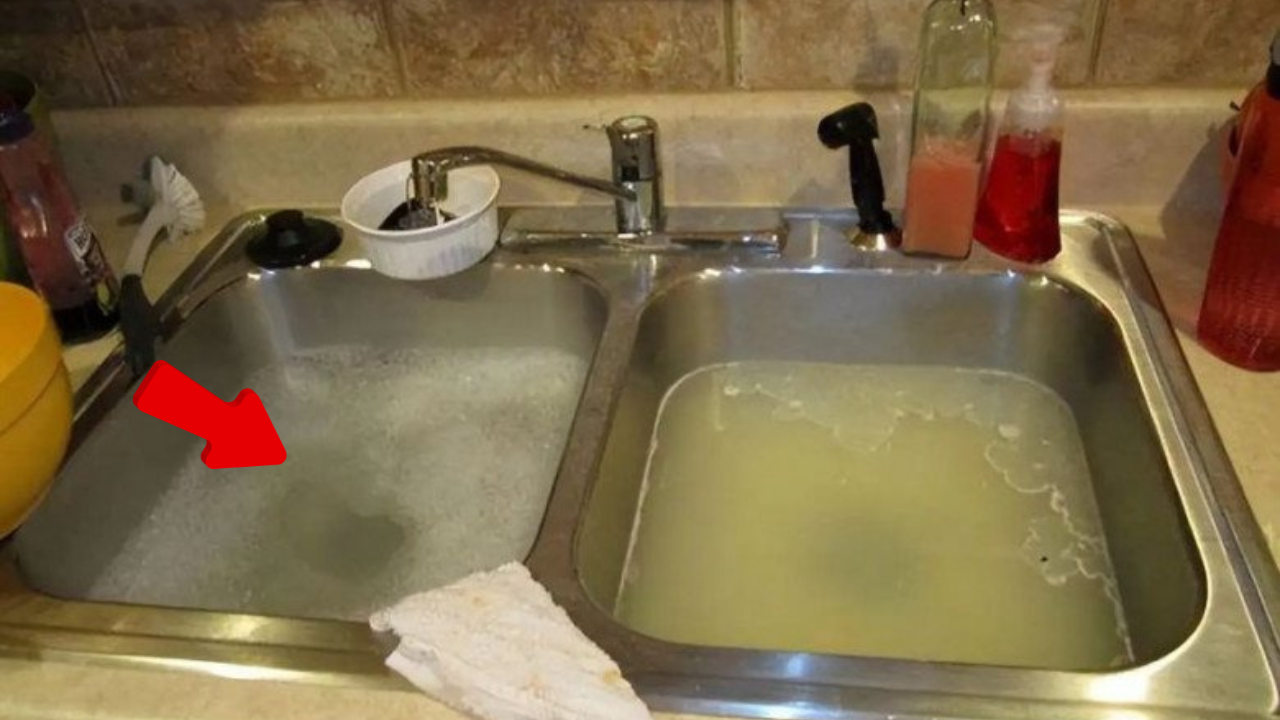
Grease and food residue can accidentally flow into the drain pipes. Some of it sticks to the inside of the pipes, and over time, this buildup can cause blockages.
When a drain becomes clogged, wastewater drains slowly and often produces unpleasant odors. To address this issue, you can try the methods below.
– Remove grease from dishes and cookware before washing
Before washing dishes, you should scrape off all leftover food and pour any excess grease into the trash. You can use disposable paper towels to wipe off grease before placing dishes in the sink for washing.
This not only reduces the amount of grease entering the drain but also makes cleaning dishes easier. Used paper towels can simply be thrown into the trash.
– Use specialized drain-cleaning products
When a drain is clogged, you can use commercial drain cleaners designed for grease removal. The main components of these products are dissolving enzymes. They emulsify grease stuck inside the drain pipes, inhibit bacterial growth, and eliminate bad odors.
After pouring the drain cleaner into the sink, it penetrates deep into the pipes and removes grease and residue without damaging the pipe material. When using these products, be sure to read the instructions carefully. During use, it is recommended to wear gloves and a mask for protection.