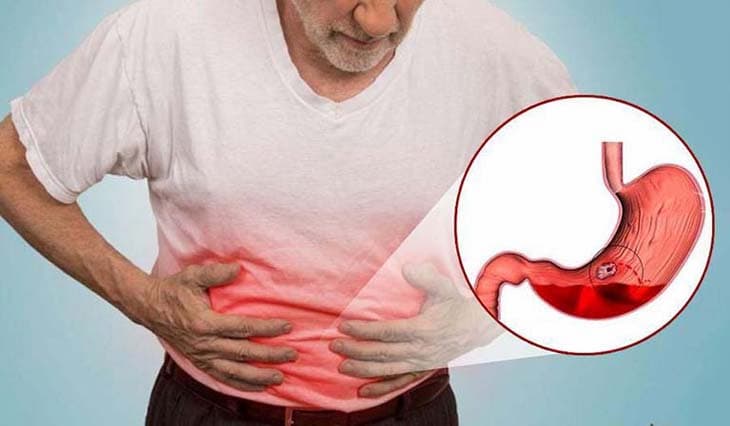
Stomach cancer is one of the most common and dangerous forms of cancer worldwide. What makes it especially concerning is that, in its early stages, the symptoms are often subtle and easily mistaken for common digestive problems such as gastritis, indigestion, or acid reflux. Because of this, many people are diagnosed only when the disease has already progressed.
Learning to recognize early warning signs and understanding how to support your stomach through proper nutrition - can make a critical difference. Early detection significantly improves treatment success and survival rates.
Below are eight early warning signs of stomach cancer, how to identify them more clearly, and what steps you can take to protect your digestive health.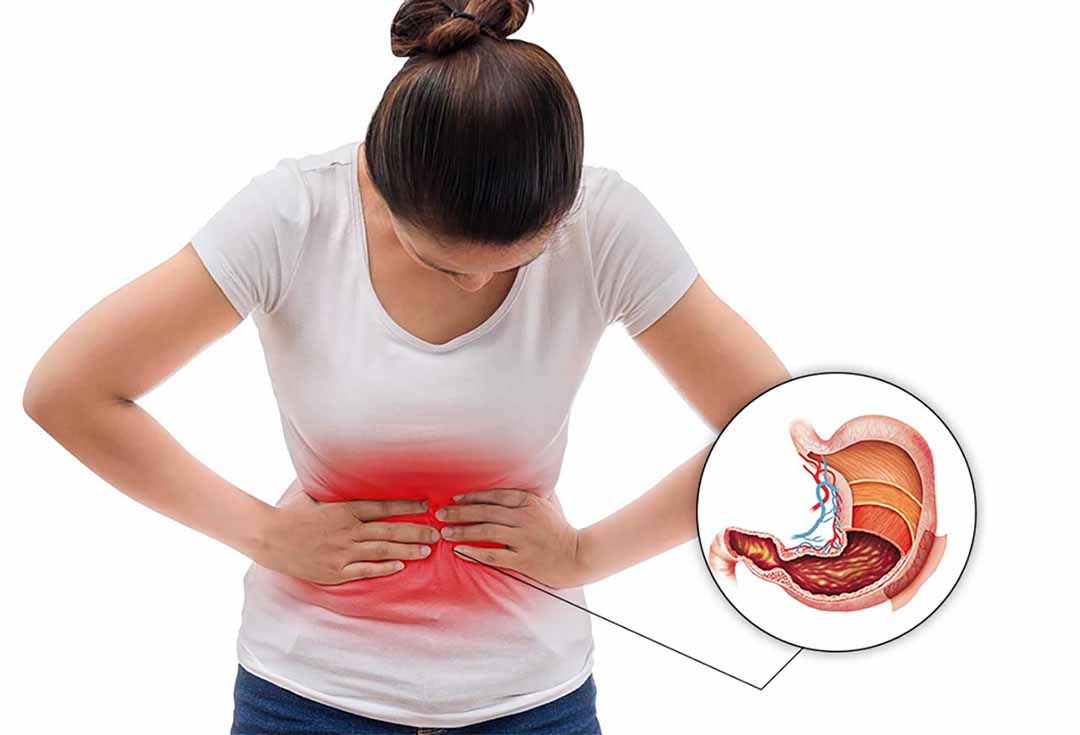
1. Persistent Pain or Discomfort in the Upper Abdomen
One of the earliest signs of stomach cancer is a dull, ongoing discomfort or pain in the upper abdomen, often near the navel or just below the breastbone. This pain may come and go, but it tends to linger longer than ordinary stomach upset.
How to recognize it:
-
Pain lasts for weeks instead of days
-
Discomfort does not improve with antacids
-
Pain occurs even when you are not hungry
Why it matters:
This pain may result from irritation, inflammation, or a developing tumor in the stomach lining.
2. Ongoing Heartburn or Acid Reflux That Doesn’t Improve
Occasional heartburn is common, but frequent or worsening acid reflux that does not respond to medication should not be ignored.
How to recognize it:
-
Burning sensation in the chest or throat almost daily
-
Acid reflux that persists despite diet changes
-
Reflux accompanied by nausea or abdominal pain
Why it matters:
Chronic irritation of the stomach lining may signal abnormal tissue changes or obstruction caused by a tumor.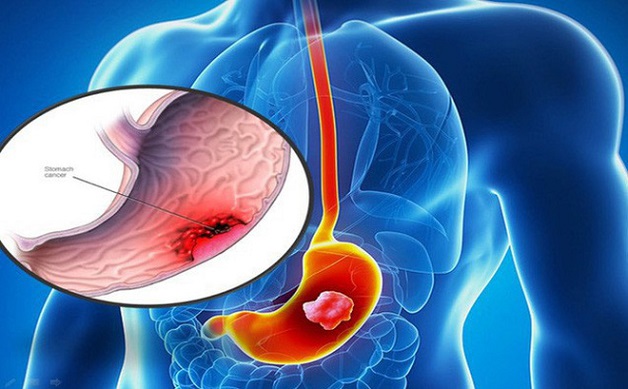
3. Feeling Full After Eating Very Small Amounts
Early satiety - feeling full after just a few bites - is a common but overlooked symptom.
How to recognize it:
-
You lose interest in meals quickly
-
You feel bloated or uncomfortable after small portions
-
This sensation happens repeatedly
Why it matters:
A tumor may be limiting the stomach’s ability to expand and process food normally.
4. Persistent Nausea or Vomiting
Unexplained nausea or repeated vomiting, especially when it occurs without food poisoning or infection, is a serious warning sign.
How to recognize it:
-
Nausea lasts several days or weeks
-
Vomiting occurs frequently or without clear cause
-
Presence of blood or dark material in vomit
Why it matters:
This may indicate internal bleeding or irritation caused by stomach lesions or tumors.
5. Unexplained Weight Loss
Sudden weight loss without changes in diet or physical activity is a classic cancer warning sign.
How to recognize it:
-
Losing weight unintentionally over weeks or months
-
Loss of muscle mass and appetite
-
Feeling weaker despite normal eating habits
Why it matters:
Stomach cancer can interfere with digestion and nutrient absorption, leading to unintended weight loss.
6. Loss of Appetite or Aversion to Food
A sudden lack of interest in food, especially foods you previously enjoyed, can be a subtle early indicator.
How to recognize it:
-
You skip meals without feeling hungry
-
Food smells or tastes unpleasant
-
Appetite loss persists without emotional cause
Why it matters:
Cancer can alter hormonal signals that regulate hunger and digestion.
7. Ongoing Fatigue and Weakness
Constant tiredness that does not improve with rest should never be ignored.
How to recognize it:
-
Feeling exhausted even after adequate sleep
-
Reduced physical strength or stamina
-
Fatigue combined with dizziness or pale skin
Why it matters:
Chronic internal bleeding can lead to anemia, reducing oxygen supply to the body.
8. Black Stools or Signs of Anemia
Dark, tar-like stools are a serious sign of bleeding in the upper digestive tract.
How to recognize it:
-
Black or unusually dark stools
-
Pale skin, shortness of breath, or dizziness
-
Blood test showing low iron or red blood cells
Why it matters:
This often signals internal bleeding caused by ulcers or malignant growths.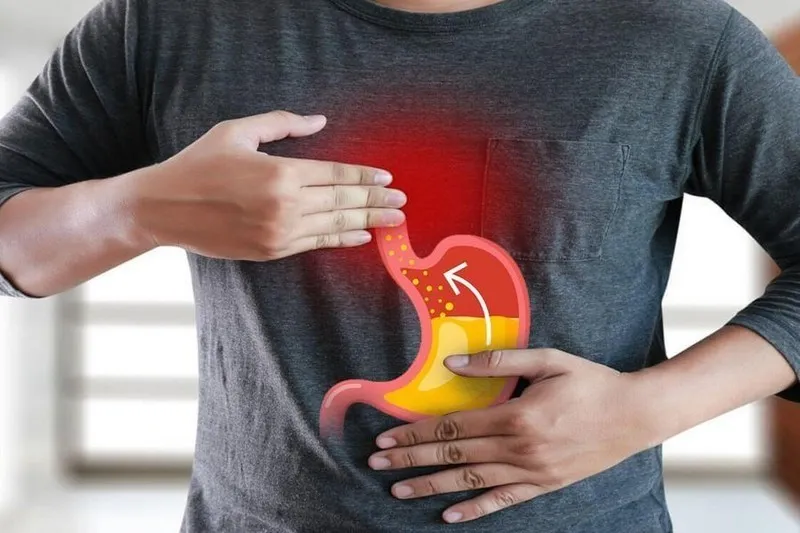
How to Reduce the Risk of Stomach Cancer
1. Eat a Stomach-Friendly, Cancer-Preventive Diet
Your daily diet plays a major role in protecting stomach health.
Foods to eat more often:
-
Fresh fruits (especially citrus, apples, berries)
-
Leafy green vegetables
-
Garlic and onions (natural antibacterial properties)
-
Whole grains
-
Lean proteins (fish, poultry, legumes)
-
Yogurt and fermented foods (support gut health)
Foods to limit or avoid:
-
Processed meats (sausages, bacon, smoked meats)
-
Pickled and heavily salted foods
-
Fried and burned foods
-
Excessive spicy foods
-
Sugary and ultra-processed snacks
2. Control Helicobacter pylori (H. pylori) Infection
H. pylori is a major risk factor for stomach cancer.
-
Get tested if you have chronic stomach pain
-
Follow prescribed treatment completely
-
Maintain good food hygiene
3. Quit Smoking
Smoking damages the stomach lining and promotes cancerous cell changes. Quitting smoking significantly lowers your risk.
4. Limit Alcohol Consumption
Alcohol irritates the stomach lining and increases inflammation. Reducing intake protects digestive health.
5. Maintain a Healthy Weight
Excess weight increases inflammation and cancer risk. Balanced eating and regular activity help maintain stomach health.
6. Get Regular Medical Checkups
If you have:
-
A family history of stomach cancer
-
Chronic gastritis or ulcers
-
Persistent digestive symptoms
Regular screening such as endoscopy can detect changes early.
Conclusion
Stomach cancer often develops quietly, but your body usually sends warning signals long before advanced disease appears. Persistent digestive symptoms, unexplained fatigue, appetite changes, and abnormal stools should never be ignored.
Early recognition, timely medical evaluation, and a stomach-protective diet can dramatically reduce risk and improve outcomes. By listening to your body, eating wisely, and seeking medical advice when symptoms persist, you give yourself the best chance to protect your digestive health and overall well-being.
If something doesn’t feel right - trust that instinct and get checked. Early action saves lives.