
The “Sensitive Plant” (Mimosa pudica): Traditional Uses and Folk Remedies Trusted for Generations
The plant commonly known as the “sensitive plant,” or Mimosa pudica, holds a special place in traditional medicine across many Asian cultures. In Vietnam, it is often called cây xấu hổ—a name inspired by its unique behavior of folding its leaves when touched. Beyond this curious trait, the plant has long been valued in folk medicine for its perceived healing properties, especially in conditions involving inflammation, swelling, and skin discomfort similar to what is shown in the image.
For centuries, rural communities have relied on local plants not only because they were accessible, but because generations of observation suggested real benefits. The sensitive plant is one such example. Almost every part of the plant—roots, stems, leaves, and seeds—has been used in traditional remedies. According to folk belief, Mimosa pudica is cooling in nature and helps “clear heat,” reduce inflammation, and calm the body.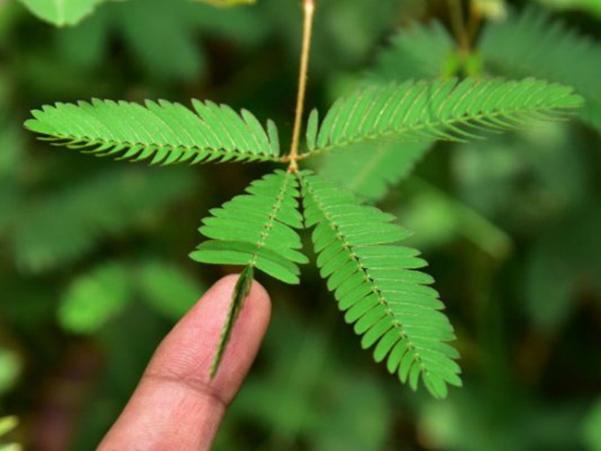
One of the most common traditional uses of the sensitive plant is for conditions involving redness, swelling, and irritation of the skin. In folk medicine, symptoms such as inflamed legs, redness, itching, or discomfort—similar to those seen in the image—are often associated with “heat” or toxic buildup in the body. Healers believed that the sensitive plant could help restore balance by reducing this internal heat.
Traditionally, the roots of Mimosa pudica are the most valued part. They are often washed, dried, and used in herbal preparations. In many villages, people believed that decoctions made from the roots could help support circulation, reduce swelling in the lower limbs, and ease discomfort caused by inflammatory conditions. While these remedies were widely trusted, they were typically used with caution and respect, guided by experience rather than precise measurements.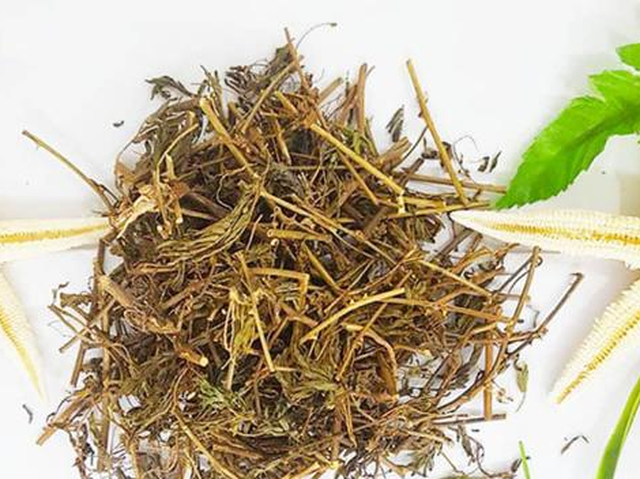
The leaves of the sensitive plant were also used externally in folk practices. Crushed fresh leaves were sometimes applied to the skin as a cooling compress. According to traditional belief, this helped soothe redness, reduce itching, and calm irritated areas. These practices were passed down orally, often accompanied by advice to rest, avoid certain foods, and keep the body cool.
Beyond skin-related conditions, Mimosa pudica was also believed to have calming properties. In traditional medicine, it was used to support better sleep, ease nervous tension, and promote overall balance. This connection between the nervous system and physical symptoms reflects a holistic view of health, where emotional stress and physical illness are closely linked.
It is important to understand that these traditional uses are based on folk knowledge rather than modern clinical evidence. While some modern studies have begun to explore the anti-inflammatory and antioxidant compounds found in Mimosa pudica, traditional remedies should not be seen as a substitute for professional medical care. Conditions involving persistent swelling, redness, or pain—especially in the legs—can have many causes and should be properly evaluated by a healthcare professional.
What makes the sensitive plant particularly meaningful is not only its potential medicinal value, but its cultural significance. It represents the deep connection between people and nature, and the way communities learned to observe, experiment, and care for one another using the resources around them. Even today, many people continue to respect and trust these folk remedies, using them as supportive measures alongside modern medicine.
In conclusion, cây xấu hổ has long been trusted in traditional medicine for its perceived ability to reduce inflammation, soothe skin conditions, and support overall balance in the body. While modern science continues to study its properties, its enduring presence in folk healing reflects generations of lived experience. As with all traditional remedies, respect, moderation, and proper medical guidance remain essential when addressing health conditions similar to those shown in the image.