Changes in vaginal odor are a common concern for many women. While social media often treats the topic as embarrassing, health professionals say that vaginal smell can vary naturally throughout the month—and it does not always indicate a serious problem.
A slightly sour or tangy odor is often linked to the vagina’s normal pH balance. However, if the smell becomes stronger, unusual, or comes with other symptoms, it may signal an infection or lifestyle factor that needs attention. Understanding the common causes can help women feel more confident and know when to seek medical care.
What Is “Normal” Vaginal Odor?
Doctors explain that the vagina has its own ecosystem of healthy bacteria, mainly lactobacilli, that help maintain a slightly acidic environment. This natural acidity can create a mild sour scent, similar to yogurt or fermentation.
Normal odor may change due to:
-
the menstrual cycle
-
sweating and physical activity
-
diet and hydration
-
sexual activity
In many cases, the smell is harmless, especially when there is no itching, burning, pain, or abnormal discharge.
Cause #1: pH Changes During the Menstrual Cycle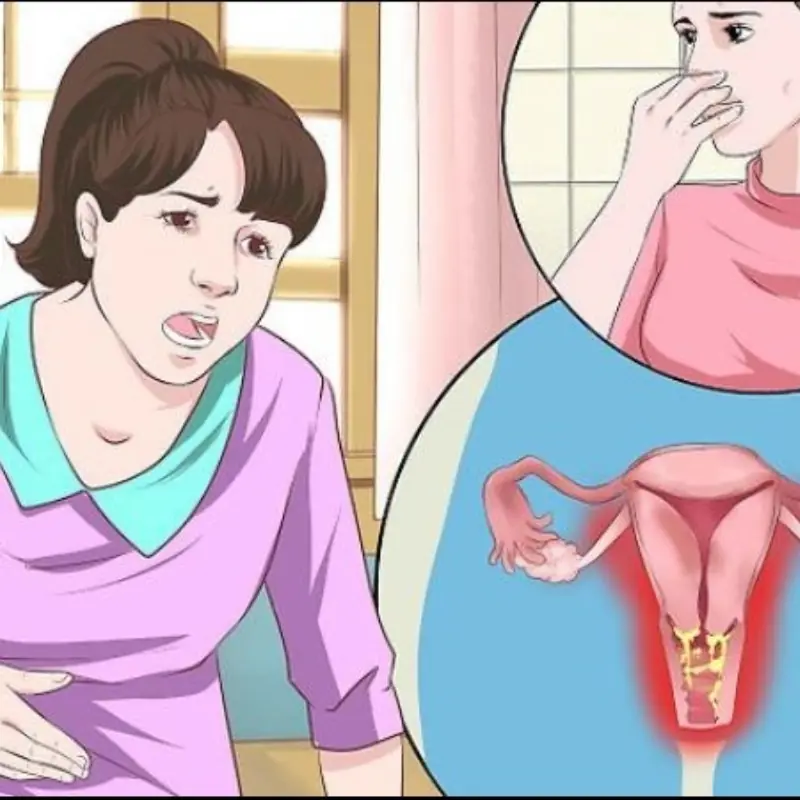
Hormonal shifts can influence vaginal pH. Before and after a period, the body sheds blood and tissue, which can temporarily change the balance of bacteria.
A slightly sour smell may occur when:
-
menstrual blood alters vaginal acidity
-
discharge changes consistency near ovulation
-
hormonal fluctuations affect bacterial levels
This type of odor often resolves on its own with normal hygiene.
Cause #2: Sweat and Tight, Non-Breathable Clothing
A sour smell may not come from the vagina itself, but from sweat and trapped moisture around the vulva and groin area. Tight pants, synthetic underwear, and hot weather can create a warm, humid environment where bacteria grow more easily.
Experts recommend:
-
wearing breathable cotton underwear
-
changing out of sweaty gym clothes quickly
-
avoiding overly tight clothing for long periods
Good airflow helps reduce odor and irritation.
Cause #3: Bacterial Vaginosis (BV)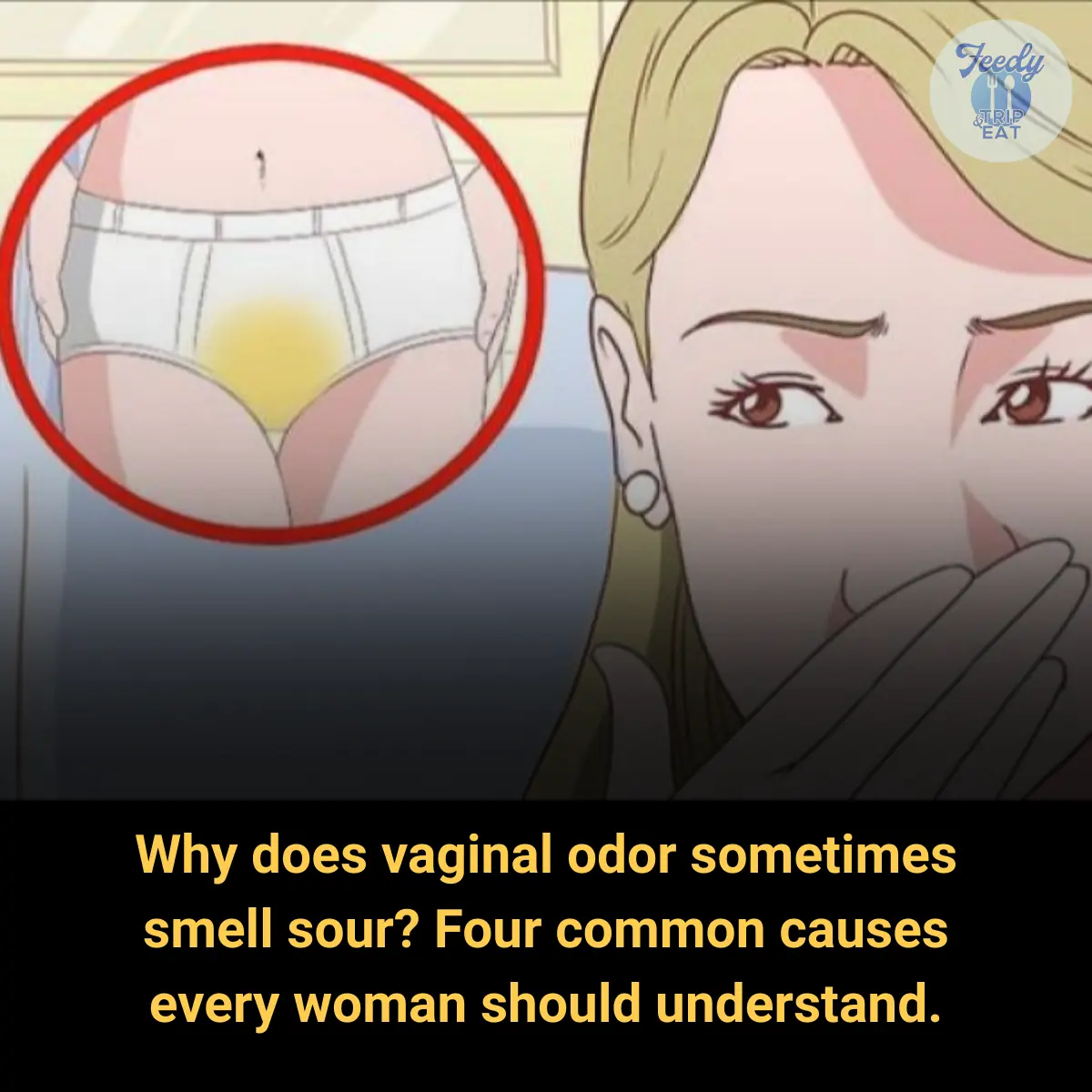
Bacterial vaginosis is one of the most common vaginal conditions, especially among women of reproductive age. It occurs when the balance of vaginal bacteria shifts, allowing certain bacteria to grow too much.
BV can cause:
-
a stronger odor (often described as fishy, but sometimes sour)
-
thin, gray or white discharge
-
mild irritation in some cases
BV is treatable, but it should be evaluated by a healthcare provider. Leaving it untreated may increase the risk of complications, including infection risks during pregnancy.
Cause #4: Yeast Infection or Irritation From Products
Yeast infections are caused by an overgrowth of Candida, a fungus that naturally exists in small amounts. While yeast infections are more often linked with itching and thick discharge, some women notice changes in smell as well.
Odor changes may also come from irritation caused by:
-
scented soaps or vaginal sprays
-
douching (which can disrupt natural bacteria)
-
harsh detergents or panty liners
-
lubricants or condoms that cause sensitivity
Doctors generally advise avoiding douching and choosing gentle, fragrance-free hygiene products.