Most people associate lung cancer with symptoms such as persistent cough, shortness of breath, or chest pain. But doctors warn that, in some cases, early clues can appear in a surprising place: the fingers and nails.
These changes do not automatically mean a person has lung cancer. However, medical experts say certain finger signs may reflect problems with oxygen levels, circulation, or inflammation—conditions that can sometimes be connected to lung disease, including lung cancer. Recognizing these signs and seeking medical advice early could make a critical difference.
Why Lung Problems Can Affect Fingers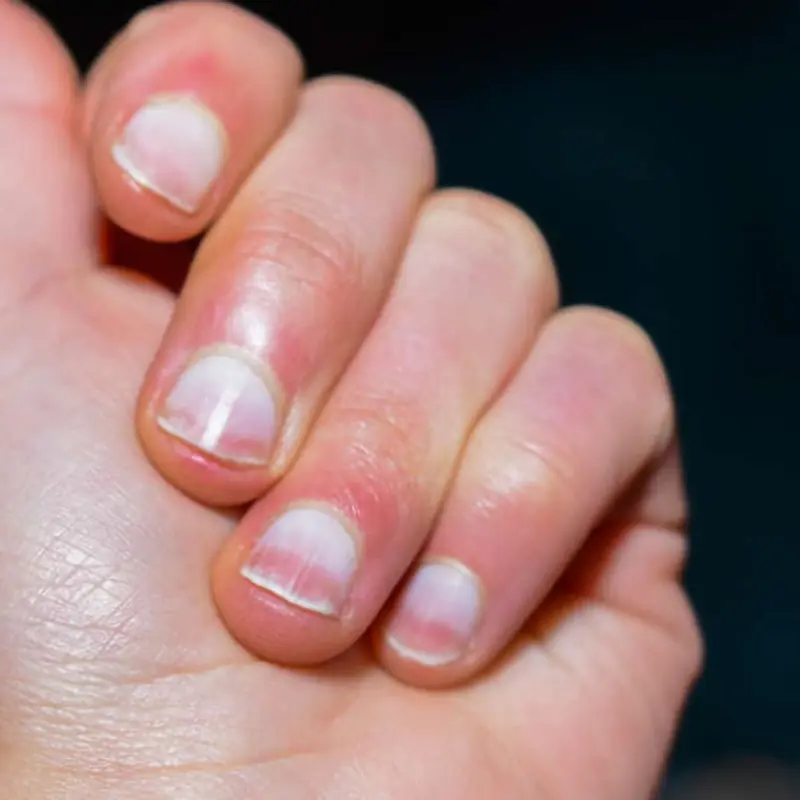
The body’s organs are connected through the bloodstream. When the lungs are not working efficiently, oxygen levels in the blood may drop. Over time, poor oxygen delivery can cause visible changes in the skin, fingertips, and nails.
Certain cancers can also trigger inflammation or hormonal-like effects, creating symptoms far from the lungs. Doctors call these “systemic” or “paraneoplastic” signs. While they are not common, they can be important clues.
Change #1: Clubbing of the Fingers
One of the best-known finger signs linked to lung disease is digital clubbing. This occurs when the fingertips become rounded and swollen, and the nails curve downward.
Common features of clubbing include:
-
the nail looks more curved than normal
-
the fingertip appears wider or thicker
-
the nail bed feels soft or spongy
Clubbing can develop gradually and is not painful for many people. It is often associated with lung conditions, including lung cancer, but it can also be caused by heart disease, chronic infections, or liver disease.
Change #2: Nail Color Changes or Pale Nails
Nail and fingertip color can reflect circulation and oxygen levels. Doctors say pale, bluish, or grayish nails may signal reduced oxygen delivery.
Possible signs include:
-
bluish fingertips (cyanosis)
-
unusually pale nail beds
-
cold hands along with color changes
These symptoms can also occur in asthma, COPD, heart conditions, or circulation disorders. Still, if they appear suddenly or persist, medical evaluation is recommended.
Change #3: Brittle Nails or Strange Nail Growth Patterns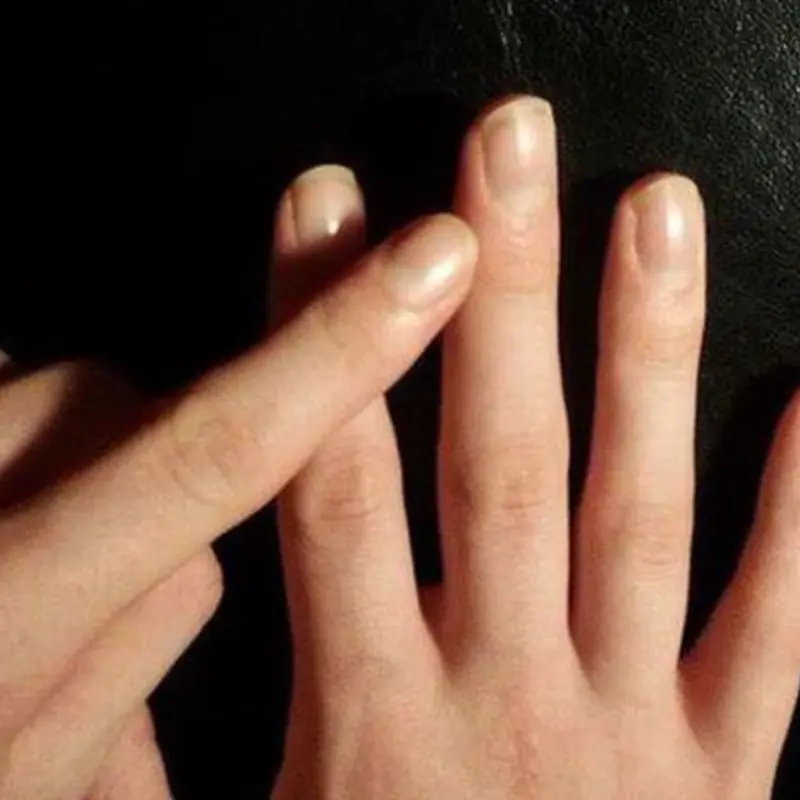
Some people notice changes in nail texture, growth speed, or shape. While brittle nails are often related to nutritional issues or aging, doctors caution that unusual patterns—especially when combined with other symptoms—should be checked.
Potential changes include:
-
nails that split easily
-
ridges or irregular thickening
-
slow healing around nail edges
-
recurring inflammation near the nails
These signs may be linked to systemic illness, chronic inflammation, or immune changes, not only cancer.
Change #4: Swelling, Pain, or Stiffness in Fingers
Lung cancer can sometimes be linked to inflammation in the bones and joints, causing finger swelling, pain, or stiffness. Some patients report discomfort that resembles arthritis, particularly in the hands.
One rare condition is called hypertrophic osteoarthropathy, where pain and swelling affect the fingers and long bones. Although uncommon, it can be associated with lung disorders.
If finger pain appears alongside respiratory symptoms, doctors advise seeking medical evaluation promptly.
When to See a Doctor
Doctors stress that finger changes alone do not diagnose lung cancer. However, it is wise to speak with a healthcare professional if you notice:
-
finger clubbing or nail shape changes
-
unexplained color changes in nails
-
finger swelling or pain without clear injury
-
persistent cough, chest discomfort, or shortness of breath
-
unexplained weight loss or fatigue
Early detection improves treatment options, so acting quickly matters.
Who Should Be Extra Cautious?
Certain people have higher lung cancer risk, including:
-
smokers or former smokers
-
people exposed to secondhand smoke
-
individuals exposed to air pollution, asbestos, or chemicals
-
people with a strong family history of lung cancer
For those in higher-risk groups, unusual body changes should not be ignored.