6 Warning Signs Your Body Might Be “Nurturing” Cancer — The One Most People Overlook
Cancer rarely announces itself loudly in the early stages. More often, it develops quietly, sending subtle signals that are easy to dismiss as stress, aging, or minor health issues. This is why many cases are discovered late, when symptoms become impossible to ignore and treatment becomes more complex.
The phrase “nurturing cancer” may sound alarming, but it reflects a real medical concern: certain persistent changes in the body can indicate an internal environment where abnormal cells are growing unchecked. These signs do not automatically mean cancer, but they should never be ignored—especially when they appear together or last for weeks.
Below are six warning signs doctors urge people to take seriously, with the first being the one most commonly overlooked.
1. Persistent Swelling or Lumps That Don’t Go Away
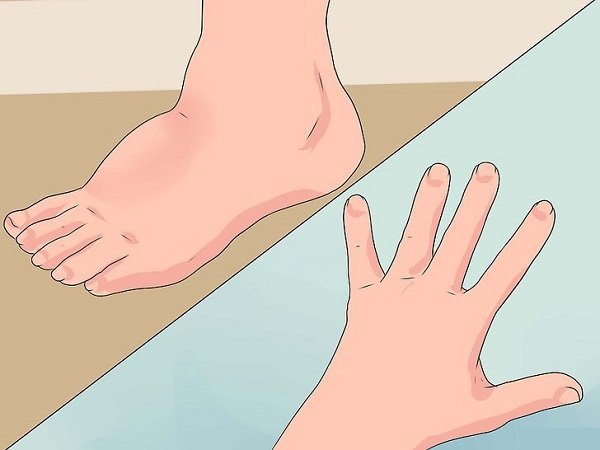
This is the most frequently ignored sign. Small swellings—especially around the neck, collarbone, armpits, wrists, or joints—are often blamed on muscle strain, insect bites, or temporary inflammation.
However, a lump that remains unchanged or slowly grows over time, especially if it is painless, firm, and not linked to an injury, deserves medical attention. Swollen lymph nodes can indicate that the immune system is reacting to something abnormal in the body.
Ignoring persistent swelling is one of the main reasons early-stage cancers are missed.
2. Unexplained Fatigue That Rest Doesn’t Fix
Everyone feels tired sometimes. But cancer-related fatigue is different. It is deep, persistent, and does not improve with sleep or rest.
This type of fatigue occurs because the body is diverting energy to fight abnormal cellular activity, inflammation, or internal imbalance. When exhaustion becomes a daily state rather than an occasional feeling, it should not be normalized.
3. Long-Lasting Cough or Hoarseness
A cough from a cold usually resolves within weeks. A cough or hoarse voice lasting longer than three weeks, especially without infection, may signal irritation or abnormal growth affecting airways or surrounding tissues.
This symptom is often overlooked, particularly by smokers or people with allergies, but chronic cough should always be evaluated—especially if it worsens over time.
4. Unintentional Weight Loss or Loss of Appetite
Losing weight without trying is not always a good sign. When the body burns calories faster due to abnormal metabolic activity, weight loss can occur even with normal eating habits.
Similarly, a persistent loss of appetite may reflect internal inflammation or organ stress. When weight changes are unexplained and rapid, medical advice is essential.
5. Changes in Skin, Nails, or Healing Ability
The skin often reflects internal health. Warning signs include:
-
New or changing moles
-
Red or dark patches that do not fade
-
Wounds that heal very slowly
-
Nails becoming brittle, discolored, or clubbed
These changes may result from immune dysfunction or circulation changes linked to underlying disease.
6. Ongoing Pain Without a Clear Cause
Pain that persists without injury, especially deep pain in bones, abdomen, chest, or back, should not be ignored. Cancer-related pain often starts subtly and becomes more noticeable over time.
Pain that wakes you at night or worsens without physical explanation requires professional evaluation.
What These Signs Do—and Do Not—Mean
It is critical to be clear: these signs do not automatically mean cancer. Many non-cancerous conditions can cause similar symptoms. Stress, infections, hormonal changes, and autoimmune disorders are far more common.
However, what matters most is duration and pattern. Symptoms that persist, worsen, or cluster together should always be investigated. Early detection dramatically improves outcomes for nearly all cancers.
Why Early Attention Saves Lives
Cancer is far more treatable when found early. Many forms can be managed, controlled, or even cured if detected before spreading. The danger lies not in awareness—but in delay.
Listening to your body is not fear-driven behavior. It is proactive care.
When to See a Doctor
You should seek medical advice if:
-
Symptoms last longer than 2–3 weeks
-
Lumps or swelling do not shrink
-
Fatigue interferes with daily life
-
Pain has no clear cause
A simple check-up can rule out serious conditions or catch problems early.
A Final Thought
Your body constantly communicates. It whispers long before it screams. Paying attention to subtle, persistent changes is not about assuming the worst—it is about giving yourself the best chance at long-term health.
Ignoring warning signs does not make them disappear. Understanding them can save your life.