7 Warning Signs That Stomach Disease Has Reached a Severe Stage — Don’t Ignore Even One
Stomach problems such as gastritis, ulcers, or reflux are common and often dismissed as minor discomforts. However, doctors warn that when certain symptoms appear, stomach disease may have progressed to a serious stage, increasing the risk of complications such as bleeding, perforation, or even stomach cancer.
Recognizing these warning signs early can make a critical difference in treatment outcomes.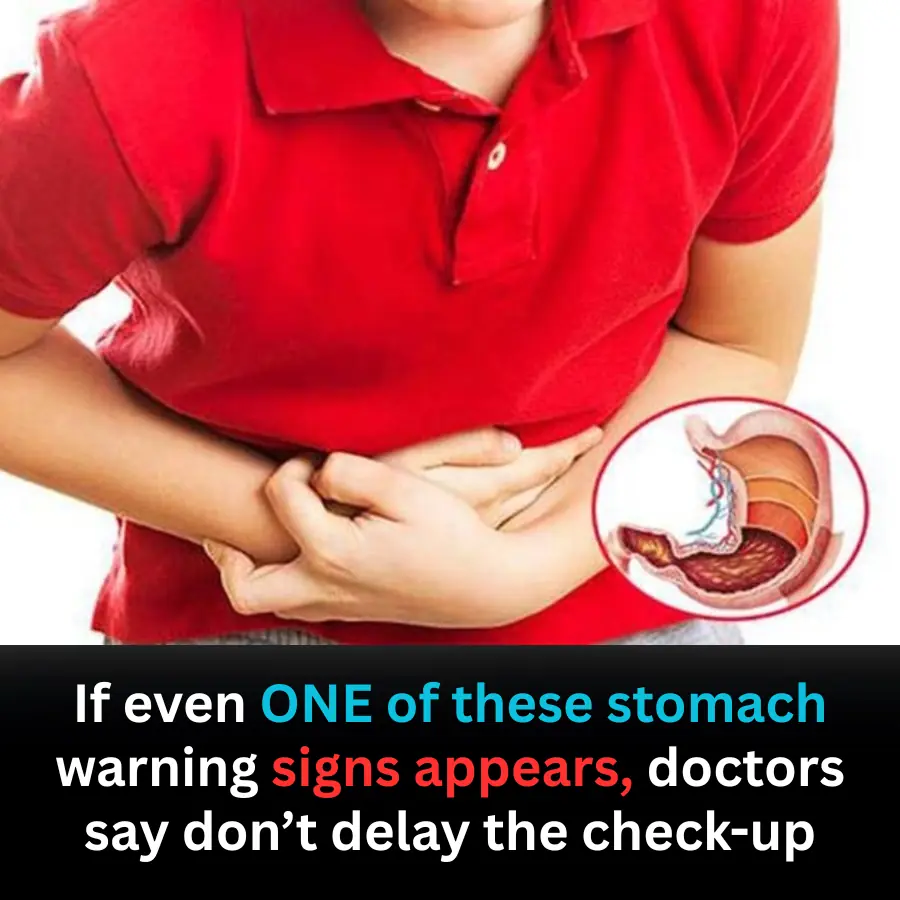
1. Persistent Upper Abdominal Pain
Ongoing or worsening pain in the upper abdomen, especially pain that does not improve with rest or medication, may indicate deep ulcers or severe inflammation.
2. Pain That Wakes You at Night
Stomach pain that wakes you from sleep is a red flag. This often suggests active ulcer disease or increased acid damage to the stomach lining.
3. Frequent Nausea or Vomiting
Occasional nausea can be harmless, but repeated vomiting, especially after meals, may signal obstruction, severe gastritis, or ulcer complications.
4. Black or Tarry Stools
Dark, black stools can indicate internal bleeding in the stomach or upper digestive tract. This is a medical emergency that requires immediate evaluation.
5. Unexplained Weight Loss
Losing weight without trying, especially when accompanied by poor appetite, may suggest chronic stomach disease or malignant changes.
6. Loss of Appetite and Early Fullness
Feeling full after eating small amounts, or a sudden lack of appetite, can point to advanced stomach inflammation or impaired gastric function.
7. Fatigue, Dizziness, or Pale Skin
These symptoms may result from chronic blood loss due to stomach ulcers, leading to anemia — a common but often overlooked sign of severe disease.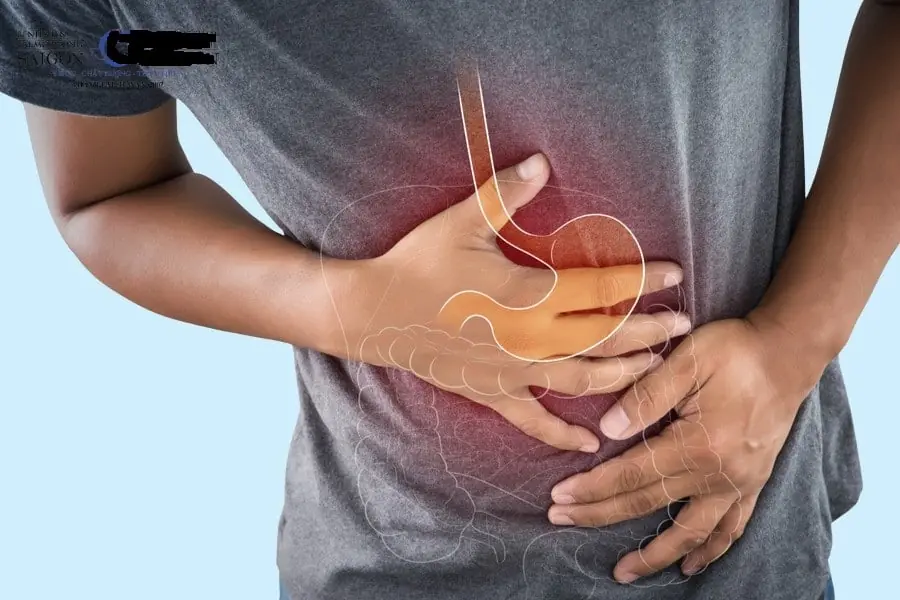
Why Early Check-Ups Matter
Gastroenterologists emphasize that many serious stomach conditions are treatable when detected early. Delayed diagnosis can lead to:
-
Severe bleeding
-
Perforation of the stomach wall
-
Increased risk of stomach cancer
Simple tests such as endoscopy, blood work, and breath tests can help identify the cause and guide effective treatment.
Final Advice
If you experience even one of these warning signs, do not self-medicate or ignore it.
Early medical evaluation can prevent complications, shorten treatment time, and protect long-term digestive health.
When it comes to stomach disease, waiting is the biggest risk.