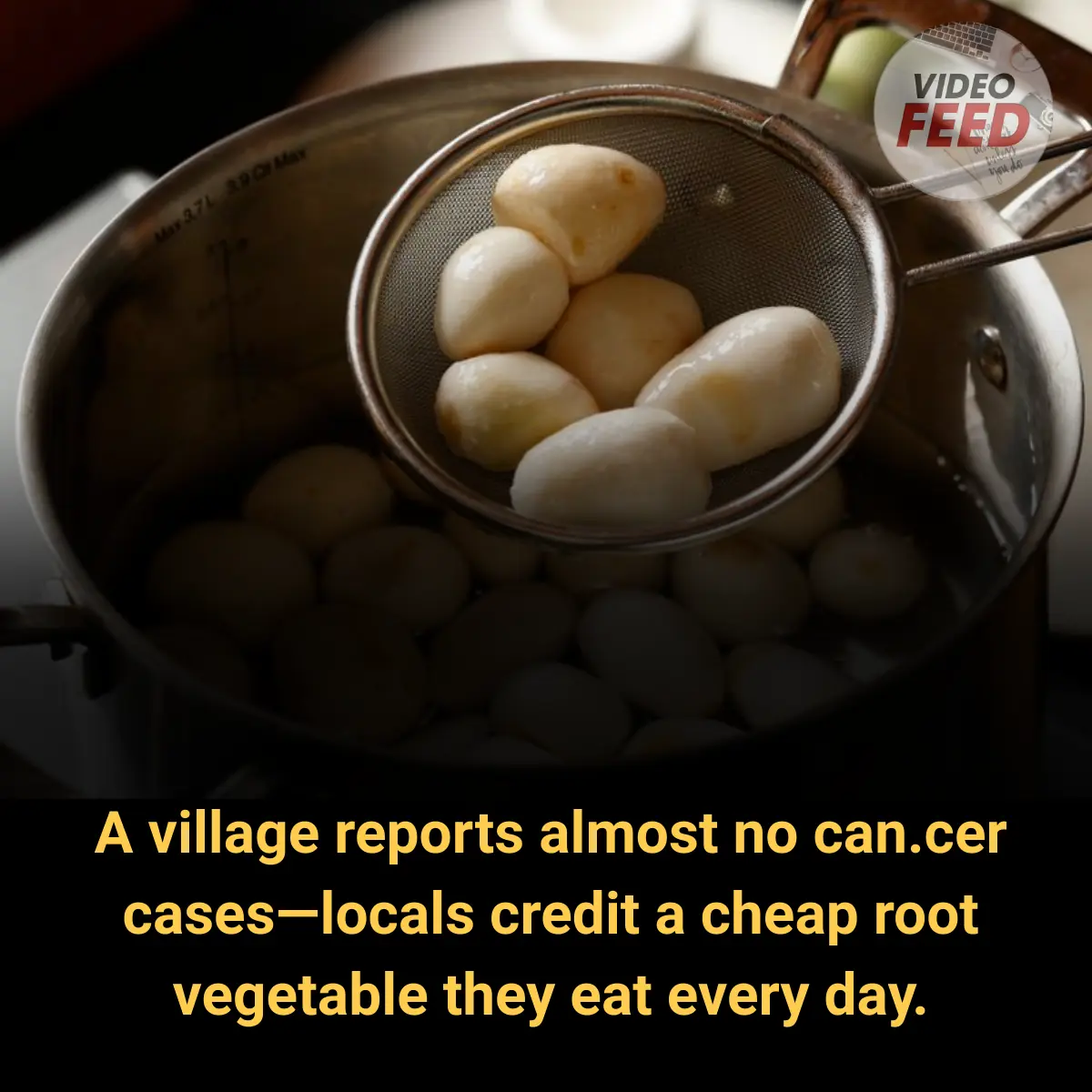
A set of viral images has been making the rounds online, claiming that a village reports “almost no cancer cases,” and that residents credit a cheap root vegetable they eat every day. The visuals show what appears to be a starchy tuber—similar to taro—alongside peeled bulbs being boiled and drained in a strainer. The message is simple and irresistible: a humble, affordable food may be the secret behind unusually low cancer rates.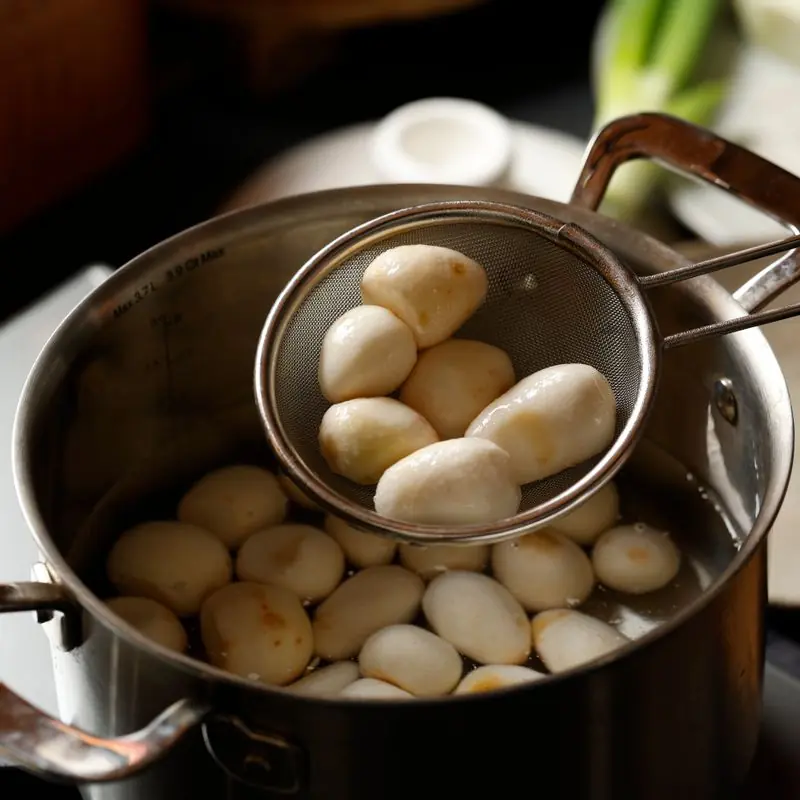
But as the story spreads, health experts urge readers to treat the claim with caution. While diets rich in whole foods and vegetables can support long-term health, there is no single “magic” ingredient that can prevent cancer on its own. Still, the viral narrative raises an important topic: how everyday dietary patterns can influence cancer risk.
What the Claim Says
The headline suggests two major points: first, that the village has an exceptionally low number of cancer cases, and second, that the reason is a root vegetable eaten daily. Posts often frame the food as a traditional staple—cheap, easy to cook, and commonly served boiled.
The idea fits a familiar formula: a remote community with extraordinary health outcomes; a simple local habit; and the implication that anyone can replicate the benefits by copying the diet. Similar stories have circulated for decades, from “blue zones” to single-superfood claims. Some are based on real observations, but many are oversimplified or poorly documented, leaving out key context such as lifestyle, genetics, healthcare access, smoking rates, or even how cancer cases are recorded.
Why “Almost No Cancer” Is Hard to Prove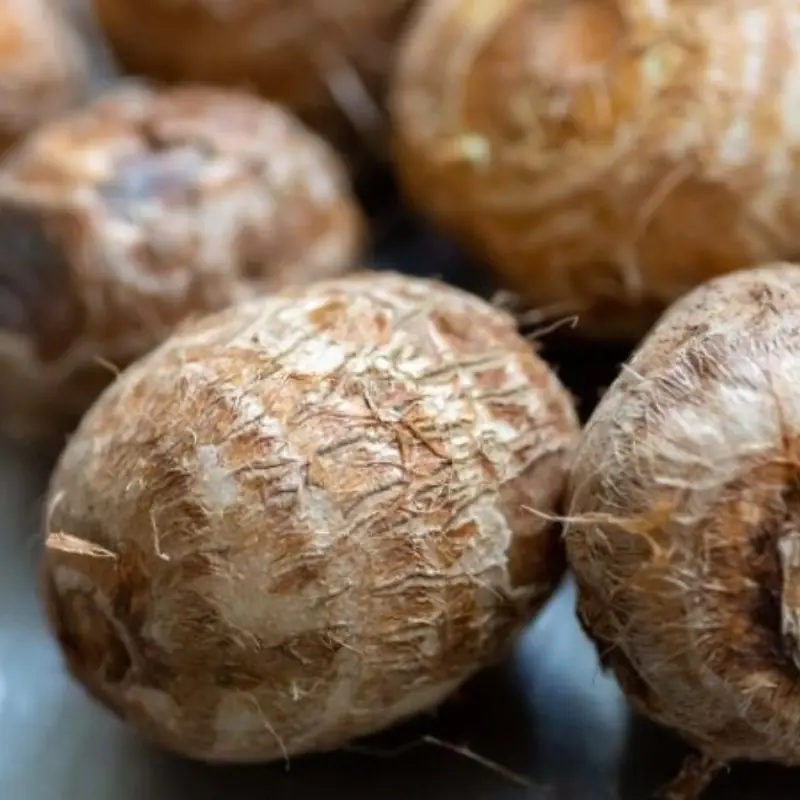
Cancer rates depend on accurate diagnosis and reporting. A village might appear to have few cases if residents have limited access to screening, medical services, or record-keeping. Some cancers also develop later in life; if the population is younger on average, rates could seem lower than expected. In addition, cancer is not a single disease—different cancers have different risk factors, and incidence varies widely by region, environment, and behavior.
That does not mean the story is automatically false. It does mean that bold claims require strong evidence: population statistics, medical records, long-term studies, and comparisons with similar communities.
The Root Vegetable: Nutritious, But Not a Cure
The root vegetable shown resembles taro or a similar tuber. Foods like taro are widely eaten in many parts of the world and offer meaningful nutritional benefits. They are typically rich in complex carbohydrates, provide dietary fiber, and contain vitamins and minerals depending on the variety and preparation. A diet that replaces heavily processed foods with boiled or steamed root vegetables may indirectly support better health by lowering excess salt, unhealthy fats, and added sugars.
However, it is important to separate general health benefits from “cancer prevention.” No reputable medical guideline suggests that eating a single vegetable daily guarantees protection from cancer. Cancer risk is influenced by multiple factors, including:
-
smoking and alcohol use
-
viral infections (such as HPV and hepatitis)
-
body weight and physical activity
-
exposure to pollutants and occupational hazards
-
genetics and family history
-
overall dietary pattern, not one ingredient
In that context, the vegetable may be part of a broader lifestyle—home cooking, high vegetable intake, lower processed meat consumption, and more daily movement.