A striking image circulating online shows an inflamed throat glowing red, paired with a bold warning: “A 35-year-old man’s sore throat progressed to cancer after five chemotherapy rounds. Doctors warn: ditch these two items from your fridge.” The message is designed to alarm, implying that everyday foods stored in a refrigerator can trigger throat cancer—and that a simple purge of “two items” could prevent a life-changing diagnosis.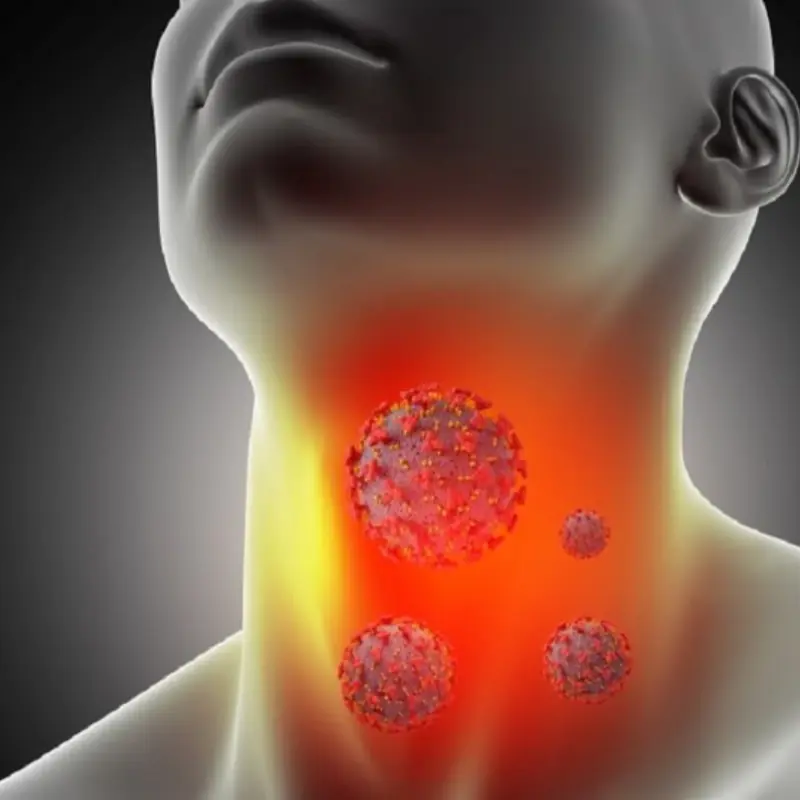
It’s an attention-grabbing claim. It’s also a familiar pattern: a dramatic personal story, a frightening medical outcome, and a vague “doctor warning” that never names the foods, the hospital, or the scientific basis. So what should readers do with this kind of viral content?
Sore Throat vs. Cancer: What’s Plausible—and What’s Not
A sore throat is extremely common and is most often caused by viral infections, allergies, acid reflux, dryness, or irritation from smoking and pollutants. Throat cancers, by contrast, typically develop over time and are associated with well-established risk factors such as tobacco use, heavy alcohol intake, certain strains of human papillomavirus (HPV), and long-term exposure to irritants.
Could someone with persistent throat symptoms eventually be diagnosed with cancer? Yes. A lingering sore throat can sometimes be an early symptom of cancers in the throat or larynx—especially when it lasts for weeks and comes with other warning signs. But the viral headline’s framing is confusing: it suggests the sore throat “progressed to cancer after five chemotherapy rounds,” when chemotherapy is usually given after a cancer diagnosis, not before. That wording alone raises red flags about accuracy.
The “Two Items in Your Fridge” Claim
The post does not identify which two items are supposedly dangerous. Similar rumors online often point to processed meats, moldy foods, or leftovers stored improperly. There is a kernel of truth in some of these topics—but not in the simplistic, fear-based way viral posts present them.
For example, diets high in processed meats have been associated with certain cancers, particularly colorectal cancer. Smoked, salted, or heavily preserved foods may increase risk in some contexts, especially when consumed frequently. Meanwhile, eating moldy foods is not advisable because certain molds can produce toxins, and spoiled food can cause illness. However, these realities do not translate into “two fridge items cause throat cancer.” Cancer risk is influenced by dose, frequency, overall diet, lifestyle, genetics, infections, and environmental exposure—not a single snack in your refrigerator.
What Doctors Actually Emphasize
Clinicians typically focus on prevention strategies with strong evidence:
-
Don’t smoke and avoid secondhand smoke.
-
Limit alcohol, especially heavy, regular intake.
-
Get appropriate HPV vaccination where available and recommended.
-
Eat a balanced diet rich in fruits and vegetables and moderate in highly processed foods.
-
Practice food safety: store foods at safe temperatures, avoid cross-contamination, and discard items that are spoiled or moldy (particularly soft foods where mold spreads easily).
If a viral headline doesn’t mention these major factors—but instead pushes a mystery “two-item” solution—it is likely prioritizing clicks over health education.
When a Sore Throat Needs Medical Attention
Most sore throats improve within a week. But you should seek medical advice if symptoms persist beyond two to three weeks, or if they occur with red-flag signs such as:
-
difficulty swallowing or breathing
-
a lump in the neck
-
unexplained weight loss
-
persistent hoarseness
-
coughing up blood
-
one-sided throat pain that doesn’t resolve
These symptoms do not automatically mean cancer, but they warrant evaluation.
Bottom Line
The viral post uses a frightening story and vague medical authority to encourage a simple, dramatic action—“ditch two items.” In reality, throat cancer prevention is not a refrigerator clean-out; it’s a combination of proven risk reduction, regular medical follow-up when symptoms persist, and reliable information.