A striking health image shared online warns about “7 Serious Warning Signs of Stomach Cancer in Its Later Stages.” The graphic shows a highlighted stomach with what appears to be a tumor-like mass, underscoring a sobering reality: stomach (gastric) cancer can be difficult to detect early, and symptoms may become more obvious only when the disease is advanced.
Medical experts stress that many digestive complaints—such as bloating, indigestion, or nausea—are far more likely to be caused by common conditions than cancer. However, when symptoms are persistent, worsening, or accompanied by “red flags,” they should not be ignored. Late-stage stomach cancer can affect appetite, digestion, and overall health, and early evaluation can make a critical difference in treatment options and quality of life.
Below are seven warning signs often associated with advanced gastric cancer. Experiencing one symptom does not confirm cancer, but a combination of symptoms—especially over several weeks—should prompt medical attention.
1) Unexplained Weight Loss
Unexpected weight loss without changes in diet or exercise can be a major warning sign. In later stages, cancer can increase the body’s energy demands and reduce appetite, leading to rapid or ongoing weight loss.
2) Persistent Abdominal Pain or Discomfort
Ongoing pain in the upper abdomen—sometimes described as burning, aching, or pressure—may occur as a tumor grows or irritates the stomach lining. Pain that does not improve with standard treatments for reflux or gastritis is especially concerning.
3) Loss of Appetite and Feeling Full Quickly
Advanced stomach cancer can make people feel full after eating only a small amount. This “early satiety” may happen if the stomach cannot expand normally or if the tumor interferes with digestion.
4) Ongoing Nausea and Vomiting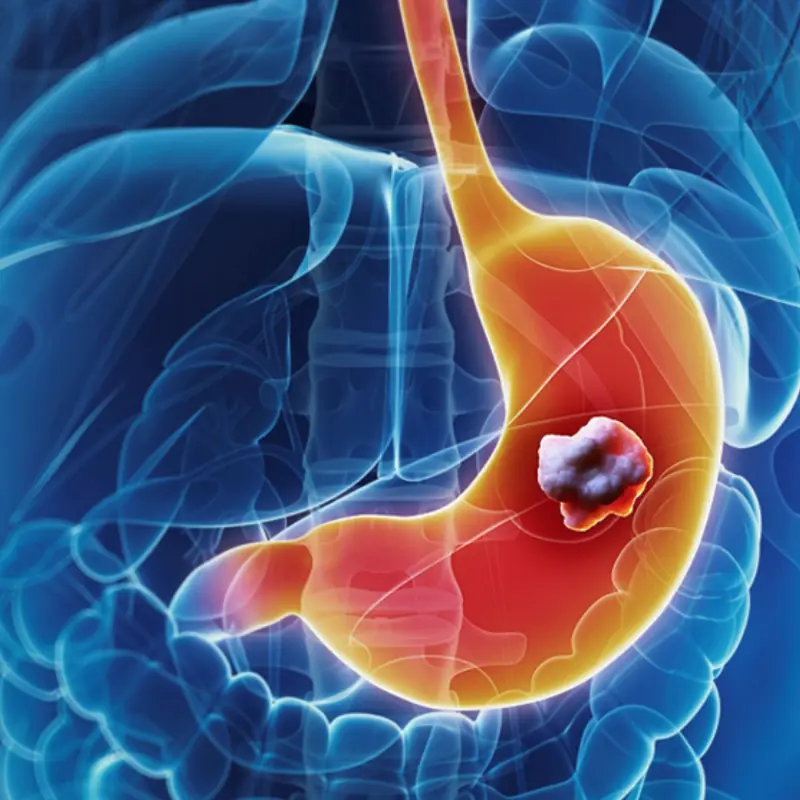
Persistent nausea or repeated vomiting can occur if the stomach is irritated or partially blocked. In some cases, vomiting may happen shortly after meals. Vomit that looks like coffee grounds or contains blood requires urgent medical evaluation.
5) Difficulty Swallowing
While more commonly linked to cancers near the top of the stomach or the junction with the esophagus, swallowing difficulty can be a sign that a tumor is affecting the normal passage of food. A sensation that food is “stuck” should be taken seriously.
6) Gastrointestinal Bleeding or Black, Tarry Stools
Bleeding in the digestive tract may not always be obvious. Black, tarry stools can indicate digested blood. Some patients develop anemia (low red blood cells), which can cause fatigue, paleness, dizziness, or shortness of breath.
7) Extreme Fatigue and Weakness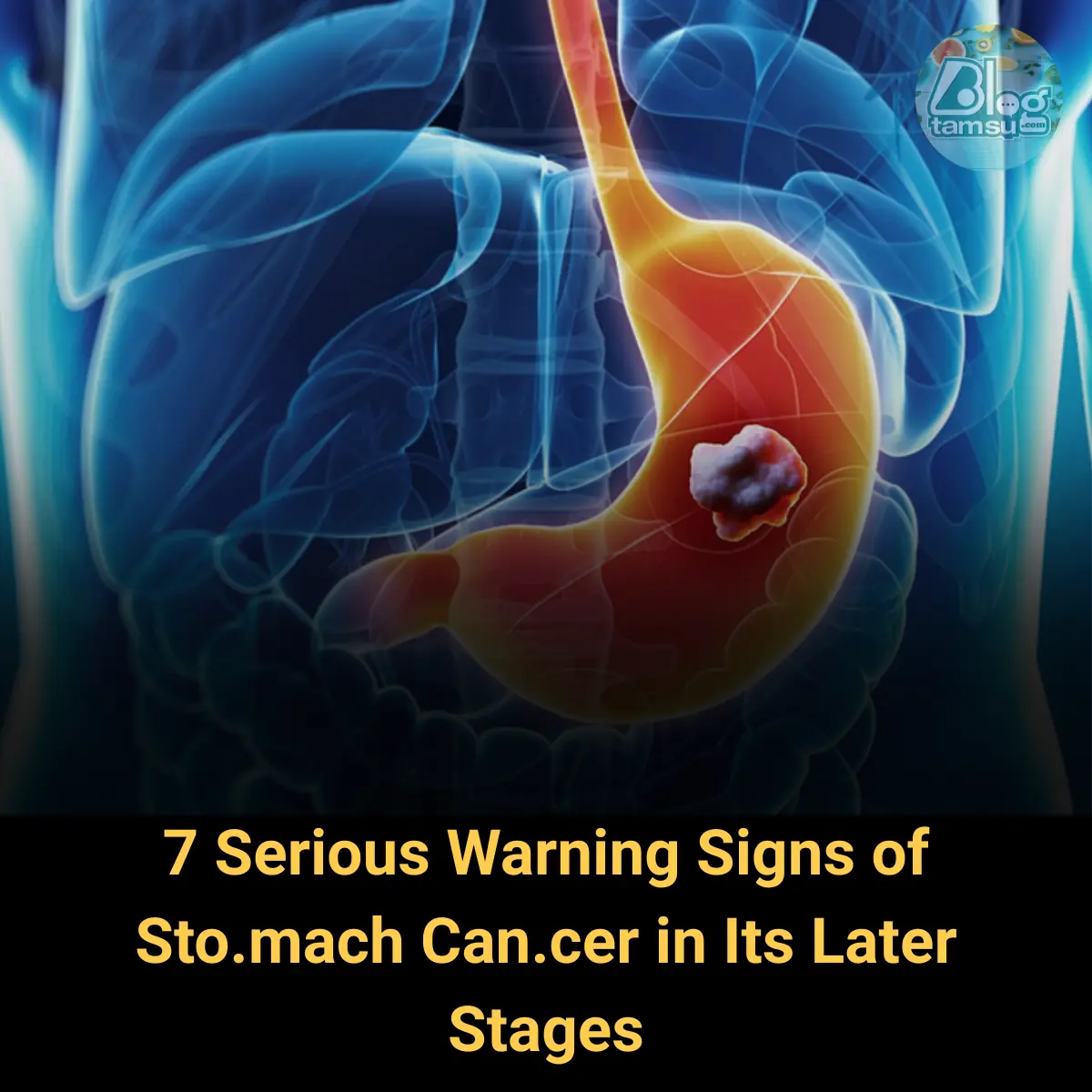
Cancer-related fatigue is often more intense than normal tiredness and does not improve with rest. In late-stage stomach cancer, fatigue may be linked to anemia, poor nutrition, dehydration, or the body’s inflammatory response.
When to Seek Help
Doctors recommend seeing a healthcare professional if symptoms persist beyond two to three weeks, worsen, or interfere with daily life—especially if there is bleeding, significant weight loss, repeated vomiting, or severe abdominal pain. People with additional risk factors may need earlier assessment. Risk factors can include infection with Helicobacter pylori (H. pylori), a family history of gastric cancer, smoking, long-term stomach inflammation, or diets very high in salty or heavily preserved foods.
Evaluation may include blood tests (to check anemia), stool tests, imaging, and—most importantly—an upper endoscopy, which allows doctors to look inside the stomach and take a biopsy if needed.