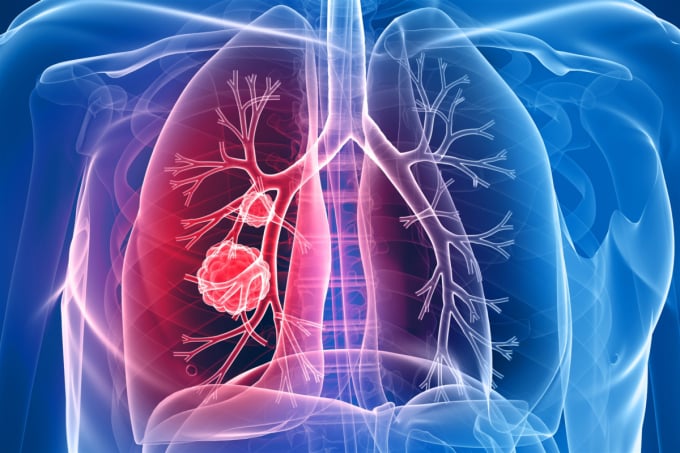
Lung cancer is one of the most serious and deadly forms of cancer worldwide, largely because it is often diagnosed at a late stage. In its early phases, lung cancer may cause subtle or easily overlooked symptoms that many people dismiss as minor respiratory issues, aging, or fatigue. Recognizing these early warning signs can make a critical difference, as early detection greatly improves treatment options and survival rates.
Below are 10 early warning signs of lung can.cer, explained in detail, along with why they matter and when you should seek medical attention.
1. A Persistent Cough That Doesn’t Go Away
A cough that lasts for weeks - or worsens over time - is one of the most common early signs of lung cancer. Unlike a cold or seasonal illness, this cough does not improve with medication or rest.
If you notice a cough that:
-
Persists longer than 3–4 weeks
-
Becomes more frequent or intense
-
Sounds deeper or harsher than usual
it’s important to have it evaluated by a healthcare professional.
2. Coughing Up Blood (Even Small Amounts)
Coughing up blood, even in tiny streaks mixed with mucus, should never be ignored. This symptom, known as hemoptysis, may occur when a tumor irritates or damages blood vessels in the lungs.
While infections can sometimes cause blood in sputum, repeated or unexplained episodes require immediate medical attention.
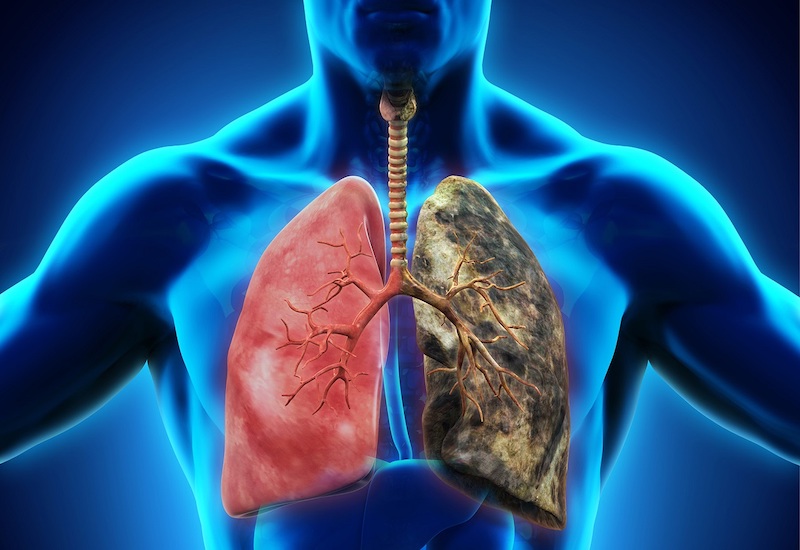
3. Shortness of Breath
Feeling unusually short of breath during everyday activities - such as walking, climbing stairs, or doing light chores—can be an early sign of lung cancer.
This may happen when:
-
A tumor partially blocks an airway
-
Fluid builds up around the lungs
-
Lung tissue loses its ability to expand properly
Shortness of breath that develops gradually and persists should be evaluated.
4. Chest Pain That Worsens With Breathing or Coughing
Chest pain associated with lung cancer may feel sharp, dull, or aching. It often becomes worse when you:
-
Take deep breaths
-
Cough
-
Laugh
This pain may indicate that a tumor is affecting the lung lining, chest wall, or nearby nerves.
5. Frequent Respiratory Infections
Repeated episodes of bronchitis or pneumonia can sometimes be a warning sign. Lung tumors can obstruct airways, creating an environment where infections develop more easily.
If you experience:
-
Frequent chest infections
-
Infections that are slow to clear
-
Recurring pneumonia in the same area of the lung
it’s important to investigate further.
6. Persistent Fatigue or Weakness
Ongoing fatigue that does not improve with rest may be an early systemic sign of cancer. Lung cancer can affect the body’s energy levels by:
-
Altering metabolism
-
Triggering chronic inflammation
-
Reducing oxygen delivery
Many people describe this fatigue as deep, constant exhaustion rather than simple tiredness.
7. Unexplained Weight Loss or Loss of Appetite
Losing weight without trying—or noticing a significant decrease in appetite—can be an early warning sign of many cancers, including lung cancer.
Cancer cells can alter how the body uses energy and nutrients, leading to weight loss even when eating habits remain unchanged.
8. Hoarseness or Changes in Voice
A hoarse or raspy voice that lasts for weeks may indicate that a tumor is pressing on nerves that control the vocal cords.
Voice changes related to lung cancer typically:
-
Persist longer than common laryngitis
-
Do not improve with hydration or rest
9. Shoulder or Upper Back Pain
Some lung tumors, particularly those located near the top of the lungs, can cause pain in the shoulder, upper back, or arm. This pain may:
-
Occur without injury
-
Be persistent or worsen at night
-
Radiate down the arm
Because it does not always feel like chest pain, this symptom is often overlooked.
10. Wheezing or Noisy Breathing
Wheezing occurs when airways become narrowed or blocked. While asthma and allergies are common causes, new or unexplained wheezing—especially in adults—can be an early sign of lung cancer.
If wheezing develops without a clear cause or does not respond to treatment, it should be checked by a doctor.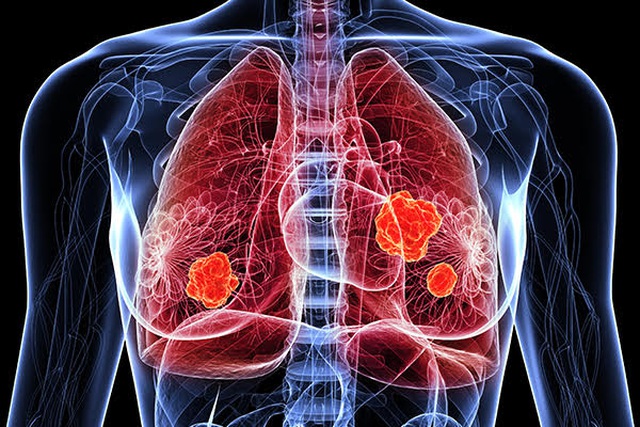
Who Is at Higher Risk?
While anyone can develop lung cancer, certain factors increase risk:
-
Smoking or exposure to secondhand smoke
-
Long-term exposure to air pollution or toxic chemicals
-
A family history of lung cancer
-
Chronic lung diseases
However, lung cancer can also occur in people who have never smoked, making symptom awareness crucial for everyone.
When to See a Doctor
If you experience one or more of these symptoms, especially if they persist or worsen over time, do not delay seeking medical advice. Early evaluation may include imaging tests, lung function tests, or further diagnostic procedures.
Early-stage lung cancer often responds better to treatment, with more options and better outcomes.
Final Thoughts
Lung cancer does not always announce itself loudly in the beginning. Its early signs can be subtle, gradual, and easy to dismiss. Paying attention to changes in your body and acting on them can save lives.
Being informed does not mean being fearful. It means being proactive about your health. If something feels wrong or different, trust your instincts and get it checked. Early detection remains one of the most powerful tools in the fight against lung cancer.