Snake Bite? Take These Critical First Steps Immediately — They Can Save a Life
Snake bites are frightening, sudden, and potentially deadly. Every year, millions of people worldwide are bitten by snakes, and what happens in the first few minutes after the bite often determines the outcome. Panic, misinformation, and outdated folk remedies can make the situation far worse.
Knowing exactly what to do—and what not to do—can mean the difference between recovery and serious complications.
First: Stay Calm and Get Away From the Snake
The very first step after a snake bite is to stay as calm as possible. Panic increases heart rate, which can cause venom to spread faster through the bloodstream.
-
Move slowly away from the snake
-
Do not attempt to catch or kill it
-
Keep the bitten person still
Most snakes will not bite again unless threatened. Your priority is safety and stability, not identification.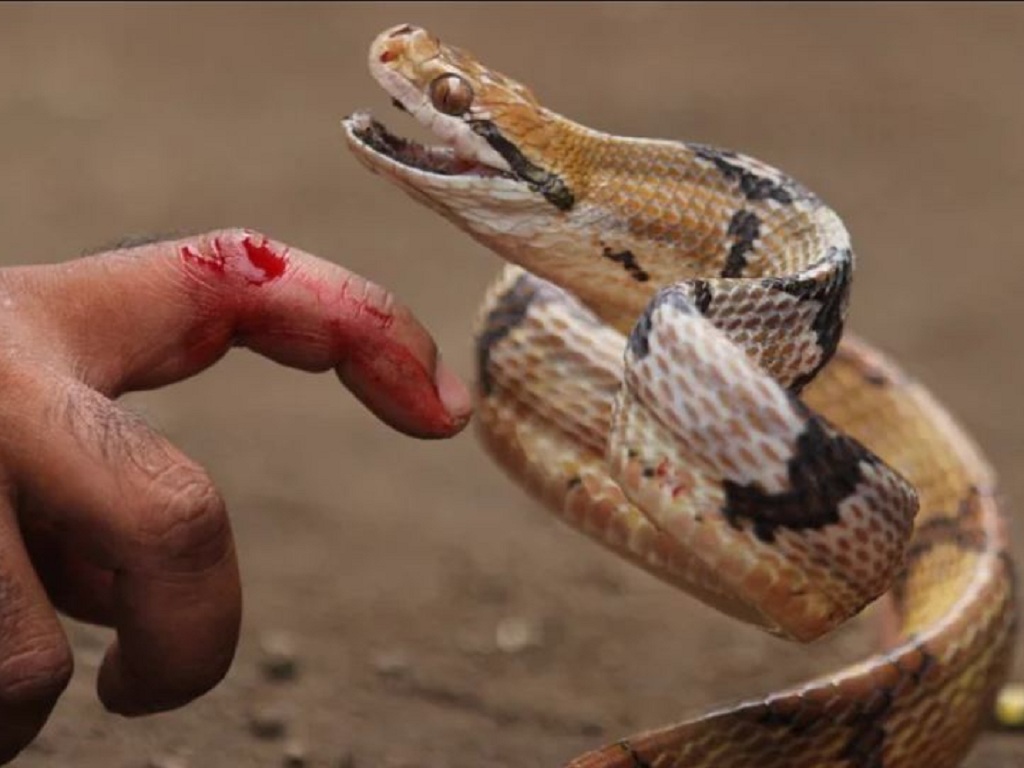
Second: Keep the Affected Limb Still and Lower Than the Heart
Movement accelerates venom circulation. The bitten limb should be:
-
Immobilized
-
Kept at or slightly below heart level
Avoid walking if the bite is on the leg. If the bite is on the arm, support it with a sling or cloth. Remaining still helps slow the spread of venom until medical help is available.
Third: Remove Tight Items Immediately
Venom often causes swelling. Rings, bracelets, watches, tight clothing, or shoes near the bite site should be removed as soon as possible.
Once swelling begins, these items can:
-
Cut off circulation
-
Cause severe tissue damage
This step is simple but critical and often overlooked in panic situations.
Fourth: Clean the Bite Gently — Do NOT Cut or Suck
Gently wash the bite area with clean water if available. This helps reduce surface contamination.
Do NOT:
-
Cut the wound
-
Suck out the venom
-
Use a tourniquet
-
Apply ice or electric shocks
These methods are dangerous myths. Cutting increases infection risk. Tourniquets can cause permanent tissue damage. Ice worsens venom effects in some cases.
Fifth: Seek Emergency Medical Care Immediately
Snake bites are medical emergencies—even if symptoms seem mild at first.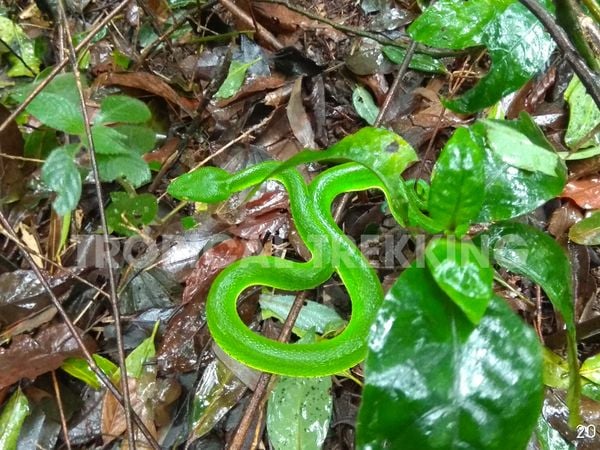
Call emergency services or go to the nearest hospital as fast as possible. Antivenom is the only proven treatment for venomous snake bites, and it works best when given early.
Delaying treatment can lead to:
-
Severe tissue destruction
-
Internal bleeding
-
Organ failure
-
Permanent disability or death
Time matters.
Watch for These Warning Symptoms
While waiting for help, monitor the victim closely. Seek urgent care if any of the following appear:
-
Rapid swelling or severe pain
-
Bleeding from the bite
-
Nausea or vomiting
-
Dizziness or fainting
-
Difficulty breathing
-
Numbness or weakness
Some venom effects are delayed, so never assume safety just because symptoms are mild initially.
What If You Don’t Know the Snake Species?
That’s okay. Do not waste time trying to identify the snake. Many bites occur too quickly to see details clearly, and guessing can lead to wrong treatment decisions.
Doctors focus on symptoms, lab tests, and clinical signs—not on photos or descriptions. Let professionals handle identification if necessary.
Why Quick Action Is So Important
Snake venom can affect:
-
Blood clotting
-
Nerves
-
Muscles
-
Heart and lungs
The faster treatment begins, the lower the risk of long-term damage. Even non-fatal bites can cause permanent injury if managed incorrectly.
Final Thought
Snake bites are terrifying—but knowledge saves lives. Calm actions, avoiding dangerous myths, and seeking immediate medical care are the most powerful tools in an emergency.
Remember this rule:
Do less, move less, and get help fast.
In a snake bite situation, the right first steps don’t just reduce harm—they can be the reason someone survives.