Stroke remains one of the leading causes of death and long-term disability worldwide. While many people believe strokes happen suddenly without warning, doctors say the body may sometimes send early signals minutes before an attack. Recognizing these signs and acting immediately can make a life-saving difference.
Medical professionals emphasize that time is critical. Even a short delay in seeking help can significantly affect recovery and survival.
Why Early Recognition Matters
A stroke occurs when blood flow to the brain is interrupted, either by a blockage or a ruptured blood vessel. Without oxygen, brain cells begin to die within minutes.
Doctors explain that if treatment is provided early—often within the first “golden window”—the damage can be reduced. In some cases, medications or procedures can restore blood flow and limit long-term disability.
This is why recognizing warning signs and calling for help immediately is so important.
The Four Common Warning Signs to Watch For
According to health experts, the body may show four noticeable warning signs shortly before or during a stroke. These symptoms can appear suddenly and should never be ignored.
1. Facial drooping
One side of the face may droop or feel numb. A person may have trouble smiling evenly, and one corner of the mouth may sag.
2. Arm or hand weakness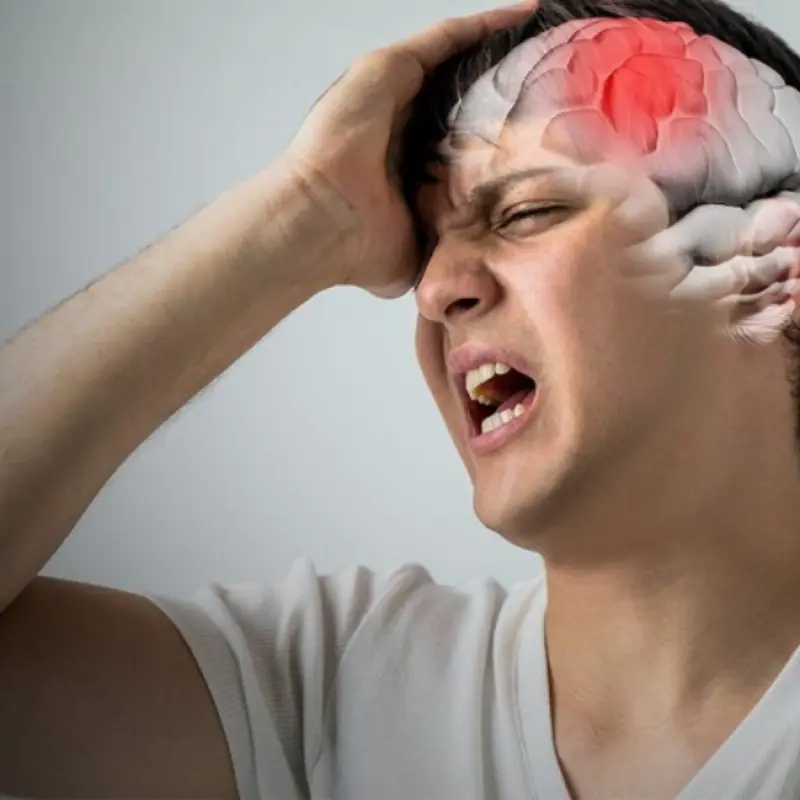
Sudden weakness, numbness, or loss of control in one arm or hand is a common sign. If asked to raise both arms, one arm may drift downward.
3. Speech difficulty
Speech may become slurred, unclear, or hard to understand. Some people may struggle to find words or may not understand simple sentences.
4. Sudden chest or upper-body discomfort
In some cases, people may experience unusual discomfort, tightness, or weakness that signals the body is under serious stress and needs immediate attention.
Doctors stress that symptoms can vary, and not everyone experiences all four signs.
What to Do Immediately if These Signs Appear
Medical experts agree on one clear rule: do not wait.
If you or someone nearby shows any of these symptoms:
-
Call emergency services immediately
-
If emergency services are unavailable, call someone nearby for urgent help
-
Keep the person calm and seated or lying down
-
Do not give food, drink, or medication unless instructed by professionals
Waiting to see if symptoms “go away” can be dangerous. Even if signs disappear after a few minutes, it could be a transient ischemic attack (TIA)—a serious warning that a major stroke may follow.
Who Is at Higher Risk?
Doctors say stroke can affect anyone, but certain factors increase risk, including:
-
high blood pressure
-
diabetes
-
smoking
-
high cholesterol
-
heart disease
-
obesity and lack of physical activity
-
older age and family history
People with these risk factors should be especially alert to early warning signs.
Prevention Starts Before Symptoms Appear
While emergency response is critical, prevention also plays a major role. Health professionals recommend:
-
controlling blood pressure and blood sugar
-
quitting smoking
-
maintaining a healthy diet
-
exercising regularly
-
limiting alcohol intake
-
attending regular medical checkups
Small lifestyle changes can significantly reduce the risk of stroke over time.
Every Minute Counts
Doctors often repeat a simple but powerful message: “Time lost is brain lost.” Even a delay of 10–15 minutes can affect the outcome of a stroke.
Recognizing warning signs and calling for help immediately may not only save a life but also prevent long-term disability. Awareness, quick action, and education remain the strongest tools in the fight against stroke.