5 Nose-Related Warning Signs That May Point to Underlying Diseases — From Liver Problems to Serious Conditions
The nose does far more than help us breathe and smell. It can also act as an early warning system for internal health problems. Changes in the nose are often dismissed as allergies, infections, or dry air, but in some cases, they may reflect deeper issues affecting major organs such as the liver, blood vessels, or immune system.
Understanding these warning signs can help identify problems early—before they become severe. Below are five nose-related symptoms that should never be ignored, especially if they appear suddenly, persist, or worsen over time.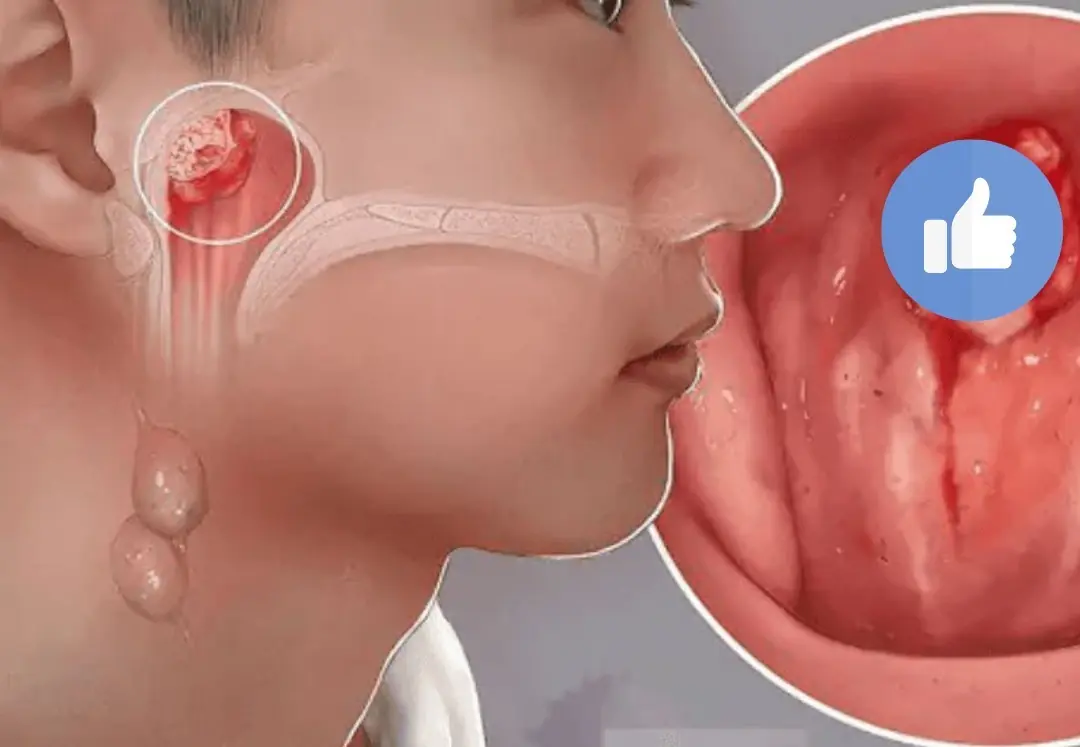
1. Frequent or Unexplained Nosebleeds
Occasional nosebleeds are common, especially in dry climates. However, repeated or unexplained nosebleeds may signal a more serious issue.
The nose contains many fragile blood vessels. Conditions such as:
-
Liver disease
-
High blood pressure
-
Blood clotting disorders
can weaken these vessels or interfere with normal clotting. Liver dysfunction, in particular, can reduce the production of clotting factors, making bleeding harder to stop.
If nosebleeds occur frequently without injury, medical evaluation is essential.
2. Persistent Nasal Congestion Without a Cold
A stuffy nose is often blamed on allergies or infections. But chronic congestion that does not improve may point to underlying inflammation, structural problems, or systemic disease.
Conditions that may cause persistent nasal blockage include:
-
Chronic sinus disease
-
Autoimmune disorders
-
Hormonal imbalances
-
Certain cancers affecting nasal or sinus tissues
Congestion that lasts for weeks, worsens at night, or affects only one side of the nose deserves further investigation.
3. Changes in the Color or Texture of the Nose
A nose that appears unusually red, pale, swollen, or discolored may reflect circulatory or liver-related issues.
For example:
-
A persistently red nose may be linked to vascular disorders or chronic inflammation
-
Pale nasal skin can indicate anemia or poor circulation
-
Yellowish tones may be associated with liver dysfunction and bile imbalance
Visible changes that do not fade over time should not be assumed to be cosmetic or weather-related.
4. Loss or Alteration of Sense of Smell
Temporary loss of smell during a cold is normal. However, long-term or sudden loss of smell without infection can be a warning sign.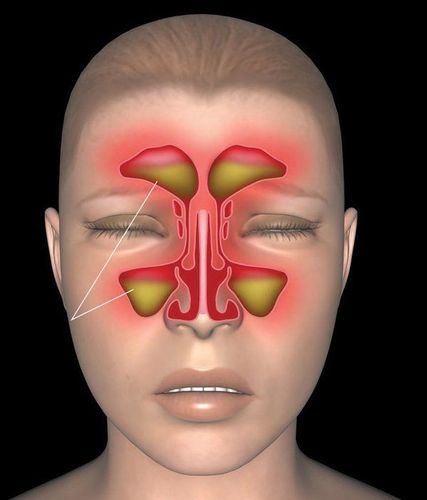
Potential causes include:
-
Neurological disorders
-
Chronic sinus inflammation
-
Metabolic conditions
-
Certain liver or kidney disorders affecting nerve function
Smell loss can also be an early symptom of neurological diseases, making prompt evaluation important.
5. Unusual Growths, Sores, or Lumps Inside or Around the Nose
Any persistent sore, lump, or growth inside the nose or on the nasal skin should be examined.
These abnormalities may indicate:
-
Chronic infection
-
Immune system disorders
-
Benign tumors
-
In rare cases, cancer
Sores that bleed easily, fail to heal, or grow over time should never be ignored, even if they are painless.
Why the Nose Reflects Internal Health
The nose is highly sensitive to changes in blood flow, oxygen levels, immune response, and inflammation. Because it is rich in blood vessels and nerve endings, internal imbalances often appear here early.
In liver disease, for example, toxin buildup and clotting abnormalities can directly affect nasal tissues. Similarly, immune or vascular disorders may first present as nasal symptoms before spreading elsewhere.
When to Start Worrying
You should seek medical advice if nose-related symptoms:
-
Persist longer than two weeks
-
Occur repeatedly without a clear cause
-
Are accompanied by fatigue, jaundice, weight loss, or pain
-
Interfere with breathing or daily life
Early testing—such as blood work, imaging, or nasal examination—can help identify underlying conditions before they progress.
Why Early Action Matters
Many serious diseases develop silently. By the time major symptoms appear, treatment options may be limited. Recognizing subtle signs—like those appearing in the nose—can allow for earlier intervention, better outcomes, and reduced complications.
Ignoring warning signs does not make them disappear. It often allows problems to worsen quietly.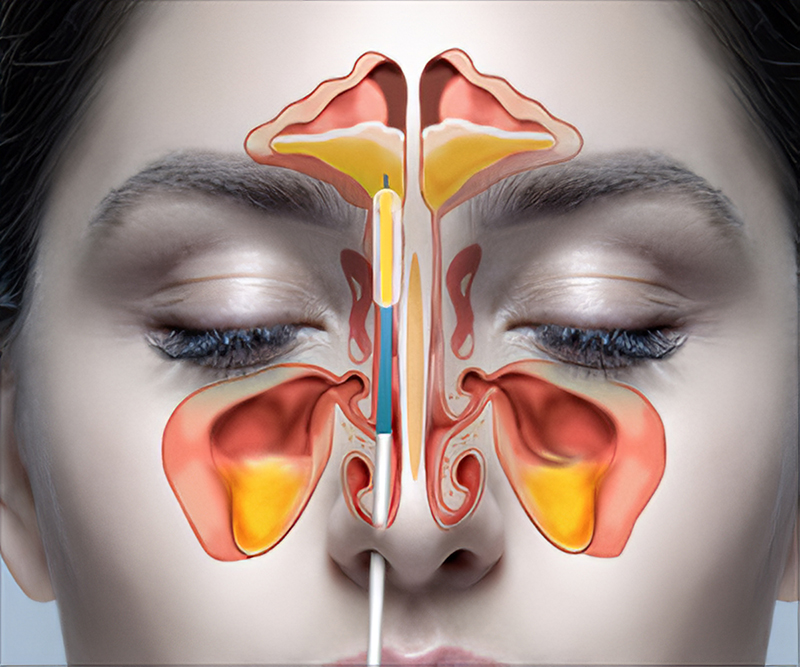
Final Thought
Your body constantly communicates its condition—sometimes in subtle ways. The nose is not just part of the face; it is part of the body’s warning system.
If something feels unusual, persistent, or unexplained, paying attention may protect more than just your breathing—it may protect your long-term health.