3 Pain Areas on the Body That Could Signal Early-Stage Cancer — And Why They Should Never Be Ignored
Pain is the body’s alarm system. Most of the time, it is caused by muscle strain, poor posture, or temporary inflammation. However, certain types of pain—especially when persistent, unexplained, or worsening—can sometimes be linked to serious underlying conditions, including early-stage cancer.
Cancer pain in its early stages is often subtle. It may come and go, feel dull rather than sharp, or appear in places that seem unrelated to a tumor. This is why many people ignore it—until it becomes impossible to dismiss.
Below are three specific pain areas that doctors advise people to monitor carefully, particularly when the pain does not improve with rest or routine treatment.
1. Persistent Abdominal or Side Pain
Ongoing pain in the abdomen, sides, or lower back is often blamed on digestion issues, kidney stones, or muscle strain. However, persistent abdominal discomfort without a clear cause can sometimes be linked to cancers of internal organs.
This type of pain may be associated with:
-
Liver cancer
-
Pancreatic cancer
-
Colon cancer
-
Ovarian or kidney cancer
Unlike stomach cramps, this pain is often:
-
Dull or aching
-
Deep rather than surface-level
-
Present for weeks or months
-
Not relieved by changing position
Because many abdominal organs have few pain receptors, cancer in this area may grow silently, causing vague pain rather than sharp symptoms.
2. Unexplained Bone or Joint Pain
Bone pain is commonly associated with aging, arthritis, or physical activity. However, persistent bone or joint pain that has no clear injury should not be ignored.
Early-stage cancers that may involve bone pain include:
-
Bone cancer
-
Blood cancers such as leukemia or multiple myeloma
-
Cancers that spread early to the bones
Warning characteristics include:
-
Pain that worsens at night
-
Pain that does not improve with rest
-
Localized tenderness without swelling
-
Increasing intensity over time
Cancer-related bone pain is often described as deep, aching, and difficult to pinpoint, unlike muscle soreness.
3. Chest, Shoulder, or Upper Back Pain
Chest or upper back pain is frequently linked to heart issues, poor posture, or anxiety. While these causes are common, persistent pain in this region can sometimes be associated with cancers affecting the lungs, esophagus, or upper digestive tract.
This type of pain may:
-
Radiate to the shoulder or upper back
-
Be present even at rest
-
Worsen with deep breathing or coughing
-
Occur without exertion
In early stages, lung or esophageal cancer may cause irritation of surrounding nerves, leading to pain that feels muscular but does not behave like muscle pain.
Why Cancer-Related Pain Is Often Missed

One of the most dangerous aspects of early cancer pain is that it:
-
Feels mild or manageable at first
-
Comes and goes
-
Mimics common conditions
-
Does not respond fully to typical treatments
Because early-stage cancer does not always cause dramatic symptoms, pain may be the only early signal that something is wrong.
When Pain Becomes a Red Flag
Doctors recommend medical evaluation when pain:
-
Lasts longer than 2–3 weeks
-
Has no clear explanation
-
Worsens over time
-
Interferes with sleep
-
Occurs alongside weight loss, fatigue, or appetite changes
Pain alone does not mean cancer—but persistent, unexplained pain deserves attention.
Why Early Evaluation Matters
Cancer detected in its early stages is often:
-
More treatable
-
Less invasive to manage
-
Associated with higher survival rates
Ignoring warning signs allows disease to progress silently. Early testing—such as imaging, blood work, or specialist evaluation—can rule out serious causes or catch problems when treatment is most effective.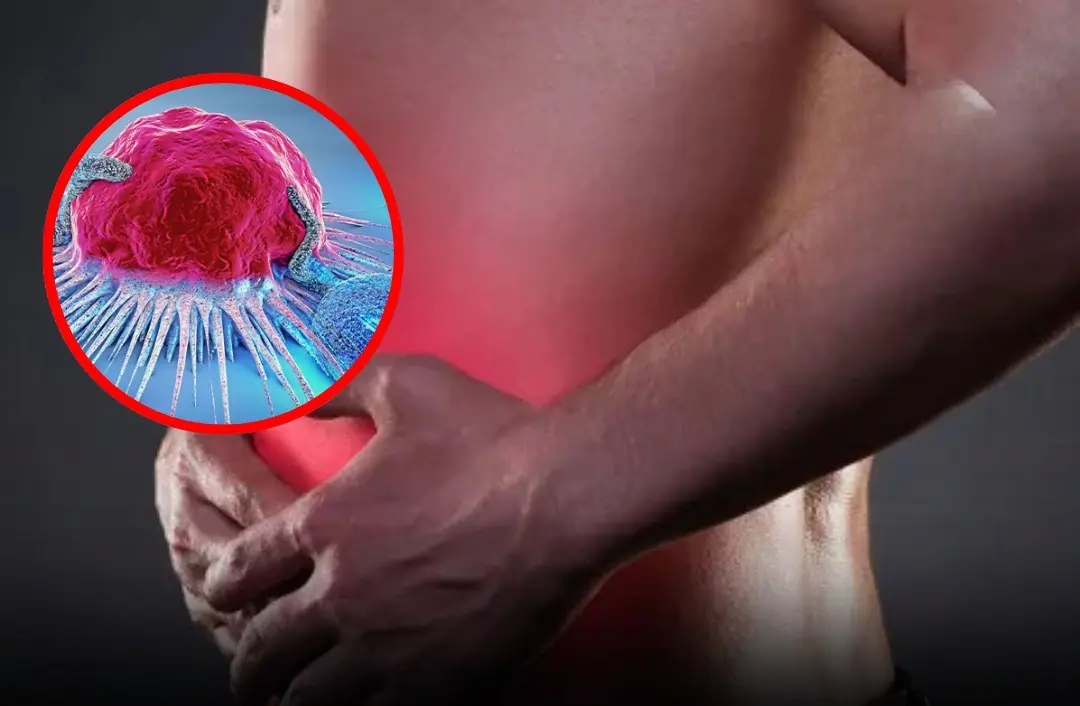
Final Thought
Pain is not something to fear—but it is something to respect. The body rarely sends repeated signals without a reason.
Not every ache means cancer. But when pain is persistent, unexplained, and resistant to treatment, listening early may save more than comfort—it may save a life.