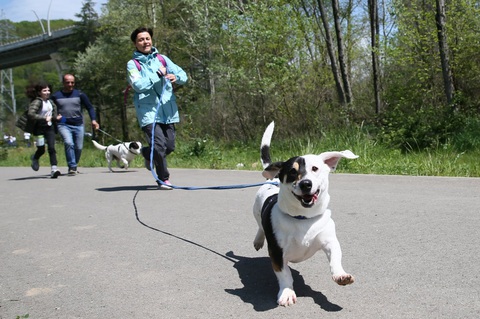
When a dog barks loudly or suddenly chases someone, it can feel frightening or confusing. But in most cases, this behavior is not random or malicious. Dogs react based on instinct, experience, and how they perceive the world around them. Understanding these reasons can help you stay calm, avoid danger, and respond more appropriately.
1. Dogs Bark Because Something Feels New or Unfamiliar
Dogs rely heavily on their senses, especially smell and sight. When they encounter something unfamiliar—a stranger, a new scent, or unexpected behavior - they may bark as a warning.
To a dog, “new” does not automatically mean “safe.” A person with an unfamiliar scent, unusual movements, or different body language can trigger caution. Barking, in this case, is a way for the dog to say: “I don’t know you yet. Stay back.”
This reaction is especially common in dogs that have not been well socialized.
2. Certain Human Traits Can Easily Trigger Dogs
Some physical features or behaviors can make dogs feel uneasy or threatened, even if the person means no harm.
Dogs are more likely to bark if:
-
You wear hooded jackets, masks, or sunglasses, which hide facial expressions
-
You have thick facial hair, making your face unfamiliar
-
You are tall, large, or muscular, which can feel intimidating
-
Your voice is deep, loud, or sudden
-
You point your finger, raise your arms, or stare directly into the dog’s eyes
-
You smoke, as dogs are sensitive to strong or sharp odors
Interestingly, most dogs are not disturbed by perfumes, deodorants, or shampoo, as these scents are more familiar to them in human environments.
3. Dogs Bark or Chase to Protect Their Owner or Territory
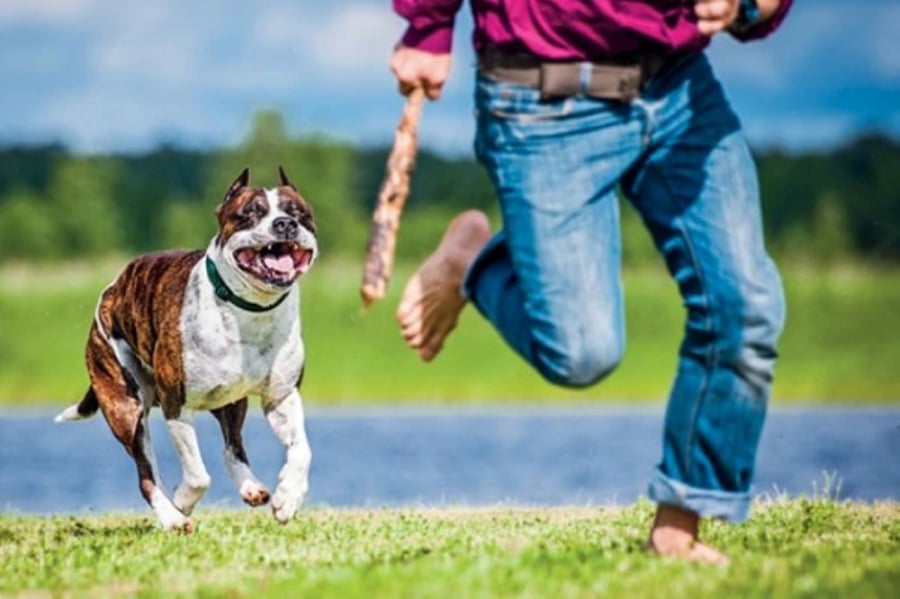
Dogs are naturally territorial and deeply loyal. When they sense someone entering what they consider their space—such as their home, yard, or even walking path—they may bark or chase to defend it.
This behavior doesn’t mean the dog is “bad.” It means the dog believes it is doing its job. Guarding instincts are especially strong in certain breeds and in dogs that are closely bonded with their owners.
4. Dogs Can Sense Human Intent and Emotional Signals
Dogs are excellent observers of human behavior. Research suggests they can distinguish between people who behave kindly and those who appear threatening or untrustworthy.
They pay attention to:
-
Body posture
-
Facial expressions
-
Tone of voice
-
How you treat their owner or other people
If a dog senses nervousness, aggression, or tension, it may respond defensively. Calm, relaxed behavior often leads to calmer reactions from dogs.
5. Past Negative Experiences Shape Dog Behavior
Some dogs carry emotional memories from past trauma. Dogs that were abused, frightened, or attacked may react strongly to people who resemble someone from their past.
For example, a dog that was mistreated by a tall man or someone wearing a uniform may bark or chase anyone who reminds them of that experience. This is not aggression—it is fear-driven self-protection.
6. Why Dogs Chase People Specifically
Chasing behavior has additional triggers beyond barking:
a. Fast Movement Triggers Instinct
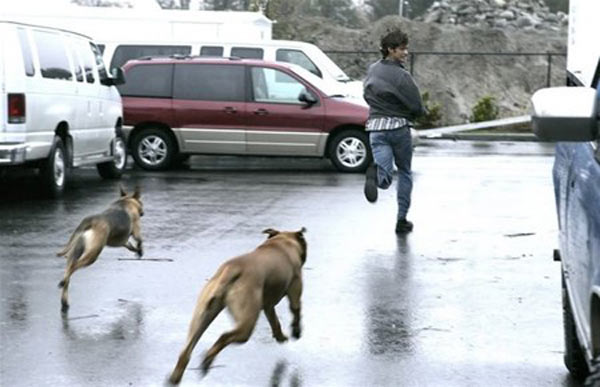
Dogs have a natural prey and chase instinct. When someone runs, cycles, or moves quickly, it can automatically trigger a chase response—even in friendly dogs.
b. Fear or Panic Signals
If you scream, flail your arms, or run in panic, the dog may interpret this as weakness or excitement, increasing the likelihood of pursuit.
c. Protective Play Behavior
Some dogs chase not to attack, but to herd or control movement, especially breeds originally bred for herding livestock.
d. Lack of Training or Socialization
Dogs that were not trained to remain calm around people may react impulsively, especially in stimulating environments.
7. How to Reduce the Risk of Being Chased or Bitten
If you encounter a barking or approaching dog:
-
Stay calm and still if possible
-
Avoid direct eye contact, which dogs see as a challenge
-
Do not run suddenly
-
Keep your hands low and relaxed
-
Turn your body slightly sideways, not face-on
For dog owners, prevention starts early:
-
Socialize puppies with different people, sounds, and environments
-
Expose them gradually to strangers in positive settings
-
Train them to respond to commands like “sit” or “stay”
-
Reward calm behavior consistently
Well-socialized dogs are far less likely to bark excessively or chase people out of fear.
Final Thoughts
Dogs don’t bark or chase without a reason. Their behavior is shaped by instinct, experience, environment, and how safe they feel in the moment. By understanding what triggers these reactions and how dogs interpret human behavior - we can reduce fear on both sides.
Most dogs aren’t trying to harm anyone. They’re simply responding to the world the only way they know how. Understanding that can make encounters safer, calmer, and far more humane for everyone involved.