High blood sugar is not just a number on a test result - over time, it can quietly damage blood vessels, nerves, and vital organs, increasing the risk of serious complications. Alongside medication, diet, and lifestyle changes, choosing the right beverages can play a supportive role in helping blood sugar stay within a healthier range and improving how insulin works in the body.
Certain natural drinks contain beneficial compounds that support metabolism, reduce inflammation, and slow the rise of blood sugar after meals. Below are several juices and teas that are often recommended as part of a blood-sugar–friendly routine.
1. Chamomile Tea
Among popular herbal teas such as ginger, mint, and chamomile, chamomile tea stands out as a particularly gentle and beneficial option for people concerned about blood sugar.
Herbal teas are naturally free of carbohydrates, calories, and added sugars, making them a safe choice for daily consumption. Chamomile tea is also rich in antioxidants, including carotenoids, flavonoids, and phenolic acids. These compounds help reduce oxidative stress and inflammation - two factors closely linked to insulin resistance and diabetes-related complications.
Drinking chamomile tea regularly may help support better blood sugar balance, especially when consumed without sweeteners.
2. Black Tea
Black tea has long been associated with metabolic health and a lower risk of diabetes-related complications. Research, including a 2019 review published in the United States, suggests that compounds found in tea may help improve insulin sensitivity, reduce inflammation, and combat oxidative damage.
Studies have shown that black tea may contribute to lower blood sugar levels, particularly when consumed consistently as part of a balanced diet. To gain the full benefit, it’s important to avoid adding sugar, honey, or sweetened creamers, as these can quickly counteract its positive effects.
Plain black tea, enjoyed hot or cold, can be a simple and effective daily beverage choice.
3. Tomato Juice
For those looking to stabilize blood sugar around meals, tomato juice can be a smart option when consumed in moderation.
A study published in the Asia Pacific Journal of Clinical Nutrition found that healthy women who drank about 200 ml of tomato juice 30 minutes before a carbohydrate-rich breakfast experienced a smaller rise in blood sugar after eating. This effect is largely attributed to the fiber and bioactive compounds in tomatoes, which help slow digestion and reduce the speed at which glucose enters the bloodstream.
For best results, choose fresh, unsalted tomato juice without added sugars or preservatives.
4. Green Tea
Green tea is widely known for its antioxidant power and its role in supporting overall health. It contains catechins and other polyphenols that help protect cells from damage and may improve how the body responds to insulin.
When consumed properly and in moderation, green tea may help support blood sugar control, while also offering benefits for heart health and healthy aging. Drinking green tea without sweeteners allows its natural compounds to work without triggering blood sugar spikes.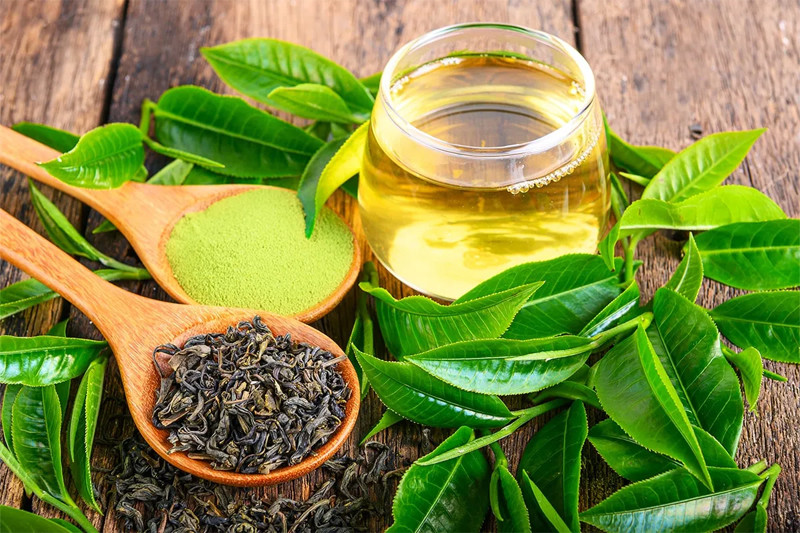
5. Bitter Melon Juice
Among natural drinks used in traditional health practices, bitter melon juice is often highlighted as one of the most effective for blood sugar management.
Bitter melon contains charantin, a compound known for its blood-sugar–lowering properties. It also includes substances that act similarly to insulin, helping glucose move from the bloodstream into cells more efficiently. Because of these properties, bitter melon juice is frequently used as a natural support for diabetes management.
Due to its strong bitterness, many people prefer to dilute the juice or consume it in small amounts.
Final Thoughts
While no drink can replace medical treatment or a healthy lifestyle, the beverages you choose each day can either support or undermine blood sugar control. Herbal teas and certain vegetable juices offer a simple, natural way to complement a balanced diet and help stabilize blood sugar levels.
As with any dietary change, moderation is key, and individuals with diabetes should monitor their blood sugar regularly and consult healthcare professionals when making significant adjustments. Small, consistent choices - including what you drink - can make a meaningful difference in long-term health.