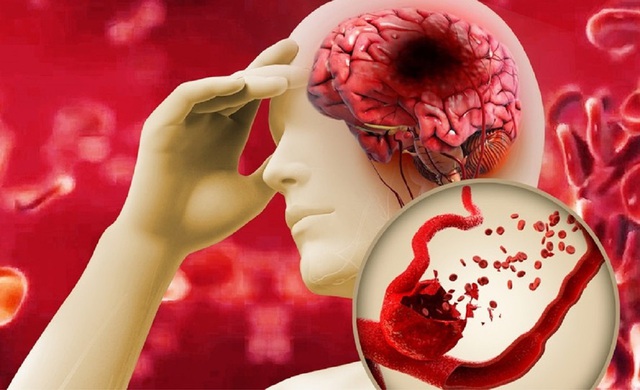
A stroke is a serious medical emergency, but the good news is that many strokes are preventable. One of the most powerful tools you have
is your daily diet. What you eat directly affects blood pressure, cholesterol levels, blood sugar control, inflammation, and blood vessel health -
all of which play a major role in stroke risk.
A balanced, nutrient-rich diet can help protect the brain by keeping blood vessels flexible, preventing clot formation, and ensuring healthy
circulation. Below are 10 scientifically supported foods that can help reduce the risk of stroke, followed by practical lifestyle strategies to
further protect your brain.
1. Leafy Green Vegetables (Spinach, Kale, Swiss Chard)
Leafy greens are nutritional powerhouses. They are rich in potassium, which helps regulate blood pressure by counteracting the effects of
sodium. They also contain folate (vitamin B9), which supports healthy blood vessels and helps reduce homocysteine — a compound linked
to increased stroke and heart disease risk.
Eating leafy greens regularly has been associated with better vascular function and lower stroke incidence.
2. Berries (Blueberries, Strawberries, Raspberries)
Berries are packed with antioxidants, fiber, and flavonoids, compounds known to reduce inflammation and improve blood flow. Flavonoids
help strengthen blood vessel walls and reduce oxidative stress, both of which protect the brain.
Studies suggest that people who consume berries several times a week tend to have better cognitive health and a lower risk of stroke.
3. Oats and Whole Grains
Whole grains such as oats, brown rice, quinoa, and whole wheat bread are high in dietary fiber, which helps lower bad cholesterol (LDL),
stabilize blo.od sugar, and improve artery health.
A high-fiber diet reduces plaque buildup in blood vessels, improving circulation and significantly lowering stroke risk over time.
4. Nuts and Seeds (Almonds, Walnuts, Flaxseeds, Chia Seeds)
Nuts and seeds provide healthy fats, magnesium, fiber, and omega-3 fatty acids. These nutrients help reduce inflammation, lower
cholesterol, and improve blood vessel elasticity.
Walnuts and flaxseeds are especially beneficial due to their omega-3 content, which helps prevent blood clots and supports overall
cardiovascular health.
5. Fatty Fish (Salmon, Mackerel, Sardines)
Fatty fish are among the most effective foods for stroke prevention. They are rich in omega-3 fatty acids, which help:
-
Lower blood pressure
-
Reduce triglycerides
-
Prevent abnormal clot formation
Eating fatty fish two to three times per week has been linked to a significantly reduced risk of ischemic stroke.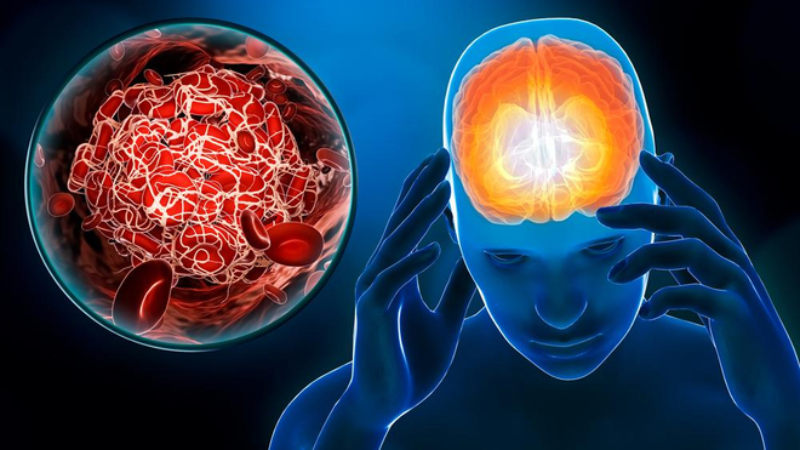
6. Beets
Beets are naturally high in dietary nitrates, which the body converts into nitric oxide - a compound that relaxes blood vessels and improves
blo.od flow.
Regular consumption of beets or beetroot juice has been shown to help lower blood pressure and support vascular health, both critical factors
in str.oke prevention.
7. Garlic
Garlic contains sulfur compounds such as allicin, which help lower blood pressure, reduce cholesterol, and improve circulation. It also has mild
blo.od-thinning properties, which can reduce the risk of clot-related strokes.
Including fresh garlic in meals regularly supports heart and brain health naturally.
8. Avocados
Avocados are rich in monounsaturated fats, potassium, and antioxidants. They help reduce LDL cholesterol while maintaining healthy HDL
cholesterol levels.
Thanks to their high potassium content, avocados also support blood pressure control, making them a valuable food for stroke prevention.
9. Citrus Fruits (Oranges, Lemons, Grapefruits)
Citrus fruits provide vitamin C, potassium, and flavonoids, all of which support blood vessel integrity and reduce inflammation.
Research suggests that people who regularly consume citrus fruits may have a lower risk of ischemic stroke due to improved circulation and
cholesterol control.
10. Tomatoes
Tomatoes are rich in lycopene, a powerful antioxidant that helps protect blood vessels from oxidative damage. Lycopene has been linked to
lower blood pressure and reduced inflammation.
Both fresh tomatoes and cooked tomato products (like tomato sauce) can contribute to better cardiovascular and brain health.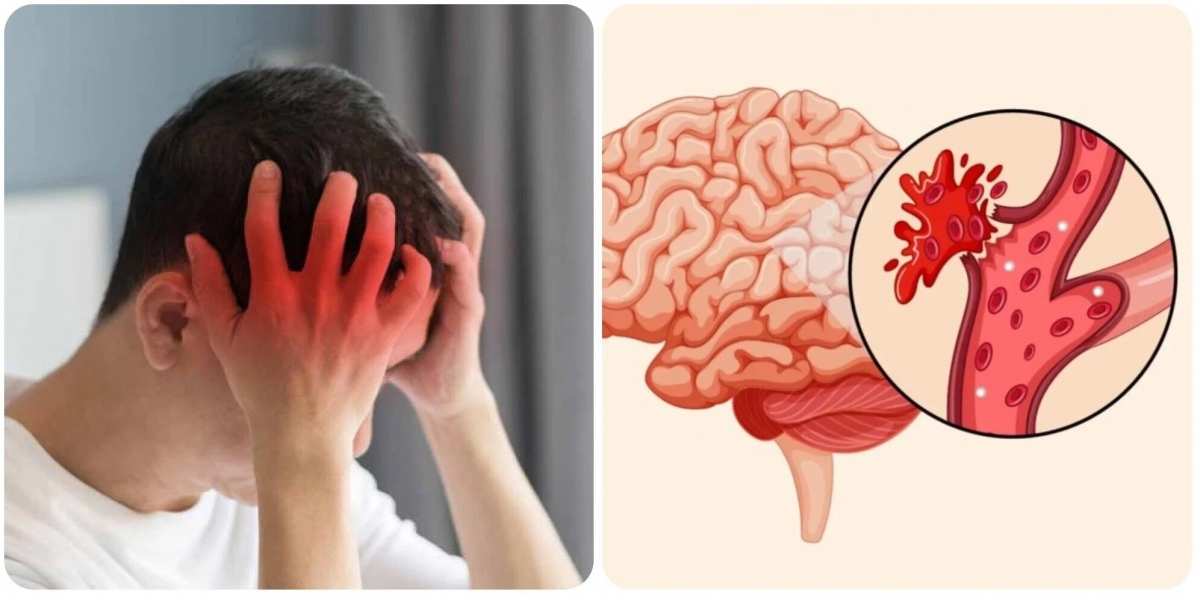
Beyond Diet: How to Further Prevent Stroke
While food plays a major role, stroke prevention works best with a comprehensive lifestyle approach. Here are key habits that
dramatically reduce stroke risk:
Control Blood Pressure
High blood pressure is the leading cause of stroke. Regular monitoring, a low-sodium diet, and proper medical care are essential.
Manage Blood Sugar
Diabetes significantly increases stroke risk. Balanced meals, regular exercise, and glucose monitoring help protect blood vessels.
Quit Smoking
Smoking damages arteries and increases clot formation. Quitting smoking is one of the most powerful stroke-prevention steps.
Stay Physically Active
Aim for at least 150 minutes of moderate exercise per week. Physical activity improves circulation, lowers blood pressure, and strengthens
the heart.
Maintain a Healthy Weight
Excess weight increases blood pressure, cholesterol, and diabetes risk - all major stroke contributors.
Limit Alcohol Intake
Excessive alcohol raises blood pressure and stroke risk. Moderation is key.
Get Regular Health Checkups
Routine screenings for blood pressure, cholesterol, and blood sugar help detect problems early, before they lead to stroke.
Final Thoughts
Stroke prevention is not about one single food or habit - it’s about consistent, everyday choices. By building meals around nutrient-rich
foods and supporting them with healthy lifestyle habits, you can dramatically lower your risk of stroke while improving overall heart and brain
health.
Small changes, practiced daily, can protect one of your most vital organs for years to come.