With its crisp, pine-like aroma and sharp yet subtly sweet flavor, juniper has been treasured for thousands of years as both a culinary spice and a medicinal herb. Long before it became famous as the defining flavor of gin, juniper was used by ancient civilizations—including the Greeks, Romans, Egyptians, and Indigenous peoples—for healing, purification, and protection.
The small blue-purple “berries” of the juniper plant (Juniperus communis) are not true berries at all, but seed cones rich in essential oils, antioxidants, and bioactive compounds. Today, modern research continues to confirm what traditional medicine has known for centuries: juniper is a remarkably versatile plant with wide-ranging health benefits, supporting everything from digestion and immunity to skin health and emotional balance.
What Is Juniper?
Juniper is an evergreen shrub belonging to the cypress family (Cupressaceae). It grows naturally across Europe, North America, and Asia, thriving in cool climates and rocky landscapes. The most commonly used part of the plant is the juniper berry-like cone, which develops over two to three years and becomes deep blue or purple when mature.
Juniper berries are rich in:
-
Essential oils (such as α-pinene, limonene, and myrcene)
-
Flavonoids and phenolic compounds
-
Natural antiseptic and anti-inflammatory agents
Depending on how they are used - dried, brewed into tea, distilled into essential oil, or added to food—juniper can act as a digestive aid, detoxifying agent, antimicrobial remedy, or calming aromatic herb.
20 Remarkable Benefits of Juniper
Below are both scientifically supported and traditionally recognized benefits of juniper and its derivatives:
1. Powerful Antioxidant Protection
Juniper berries are rich in antioxidants that neutralize free radicals, helping protect cells from oxidative damage. This supports healthy aging and reduces the risk of chronic diseases such as heart disease, diabetes, and certain cancers.
2. Supports Healthy Digestion
Juniper has long been used as a digestive tonic. Its volatile oils stimulate digestive enzymes, helping relieve bloating, indigestion, gas, and sluggish digestion.
3. Natural Diuretic
Juniper increases urine output, helping the body eliminate excess fluids and waste. This can reduce water retention and support kidney and bladder health when used responsibly.
4. Promotes Natural Detoxification
By supporting the kidneys and liver, juniper helps the body remove toxins more efficiently. It is often included in herbal detox and cleansing blends.
5. Supports Urinary Tract Health
Juniper’s antimicrobial and flushing effects may help reduce the risk of urinary tract infections and kidney stones by limiting bacterial buildup.
6. Strong Antibacterial and Antifungal Action
Juniper essential oil has shown effectiveness against harmful bacteria such as E. coli and Salmonella, as well as fungi like Candida albicans. This makes it useful for natural cleaning and topical applications.
7. Helps Regulate Blood Sugar
Some studies suggest juniper extracts may improve insulin sensitivity and help regulate blood glucose levels, offering potential support for people with type 2 diabetes risk.
8. Strengthens the Immune System
Juniper’s antimicrobial and antioxidant compounds help the body defend against infections while reducing chronic inflammation.
9. Relieves Joint Pain and Arthritis
Juniper’s anti-inflammatory properties may help reduce joint stiffness, swelling, and discomfort. Diluted essential oil massage is commonly used for arthritis and rheumatism.
10. Supports Respiratory Health
Juniper vapor can help loosen mucus, clear congestion, and ease breathing, making it useful for colds, sinus issues, and mild bronchial conditions.
11. Reduces Stress and Mental Fatigue
In aromatherapy, juniper essential oil is known for its grounding and calming effects. It may help reduce anxiety, mental exhaustion, and emotional tension.
12. Improves Skin Health
Juniper is commonly used in skincare for acne and oily skin. Its antibacterial action helps purify pores, while antioxidants support clearer, healthier skin.
13. Supports Heart and Circulatory Health
By helping reduce inflammation, excess fluid retention, and oxidative stress, juniper may support cardiovascular health and healthy blood circulation.
14. Reduces Bloating and Water Retention
Juniper tea is traditionally used to relieve bloating and puffiness, particularly after salty meals or during hormonal fluctuations.
15. Enhances Appetite
Historically, juniper was used as a bitter tonic to stimulate appetite and improve digestion before meals.
16. Relieves Muscle Pain and Tension
Juniper oil is frequently included in massage blends to ease muscle cramps, soreness, and post-exercise fatigue.
17. Supports Weight Management
While not a weight-loss remedy on its own, juniper may support healthy weight management by improving digestion, reducing bloating, and aiding detoxification.
18. Freshens Breath Naturally
Chewing dried juniper berries was once a traditional method for combating bad breath, thanks to its antibacterial effects.
19. Acts as a Natural Preservative
Juniper has been used for centuries to preserve meats and beverages due to its antimicrobial properties and aromatic oils.
20. Supports Women’s Health
In traditional medicine, juniper tea was used to ease menstrual discomfort and support cycle regularity. However, it should be avoided during pregnancy.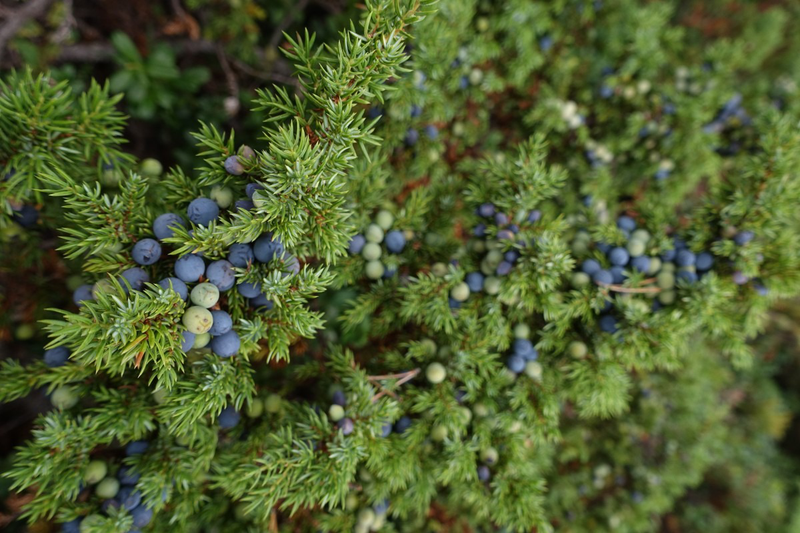
How to Use Juniper Safely
1. Juniper Tea
For digestion and detox support:
-
Lightly crush 1 teaspoon of dried juniper berries
-
Steep in hot water for 10–15 minutes
-
Drink once daily, preferably after meals
2. Juniper Essential Oil
-
For relaxation: Diffuse 3–4 drops
-
For muscle or joint pain: Dilute 3 drops in 1 tablespoon of carrier oil and massage gently
-
For respiratory support: Inhale steam with 1–2 drops added
(Always patch test before topical use.)
3. Juniper Supplements
Juniper berry capsules or extracts may support digestion, immunity, and blood sugar balance. Use only as directed and avoid long-term continuous use.
4. Culinary Uses
Juniper berries add depth to:
-
Meat marinades
-
Sauerkraut and pickled foods
-
Roasted vegetables
-
Cocktails and spirits
Use sparingly—just a few crushed berries can flavor an entire dish.
5. Juniper Bath Soak
Add 5 drops of juniper oil mixed with Epsom salt to a warm bath to relax muscles and calm the nervous system.
Precautions and Safety Notes
-
Avoid juniper during pregnancy or breastfeeding
-
Not recommended for people with kidney disease without medical supervision
-
Prolonged or excessive use may irritate the kidneys
-
Always dilute essential oil before skin application
Consult a healthcare professional before using juniper therapeutically, especially if you take medications for blood sugar, blood pressure, or fluid balance.
Final Thoughts
Juniper is far more than a flavoring for gin - it is a powerful botanical ally with a rich healing legacy. Its unique combination of essential oils, antioxidants, and anti-inflammatory compounds makes it valuable for digestion, immunity, skin care, emotional balance, and overall vitality.
When used mindfully and respectfully, juniper bridges ancient wisdom and modern wellness, offering a refreshing and natural way to support daily health—one aromatic berry at a time.