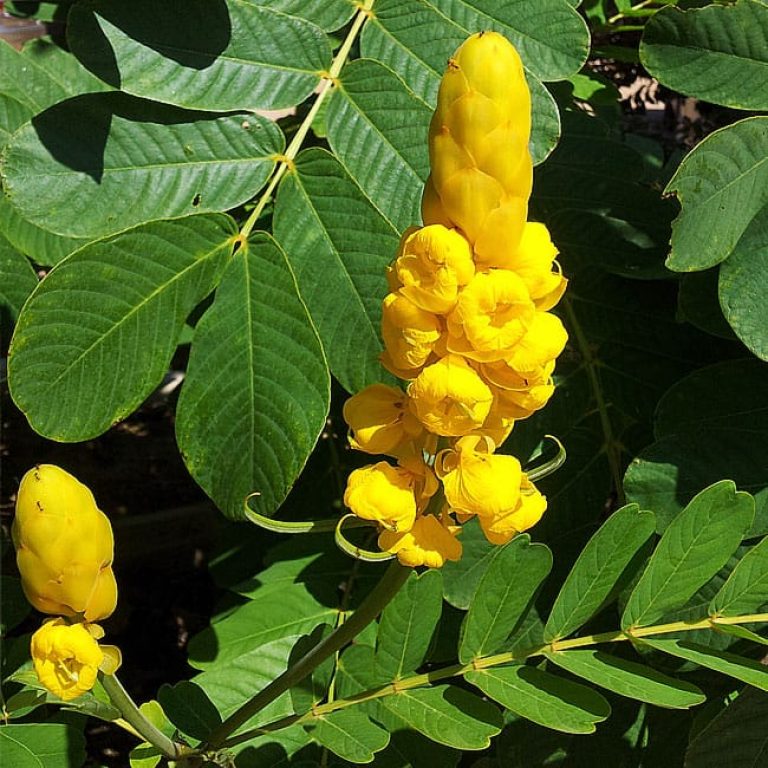
Known for its striking yellow “candle-like” blooms and powerful healing properties, Senna alata, often called the Candle Bush, Ringworm Bush, or Empress Candle Plant, is more than just a beautiful ornamental shrub. Native to tropical regions of the Americas but now grown widely across Asia and Africa, this plant has been valued for centuries in traditional medicine - particularly for its antifungal, antibacterial, and anti-inflammatory properties.
Let’s take a closer look at the botanical profile, 30 proven health benefits, and easy ways to use Senna alata at home to harness its healing power naturally.
1. What Is Senna Alata?
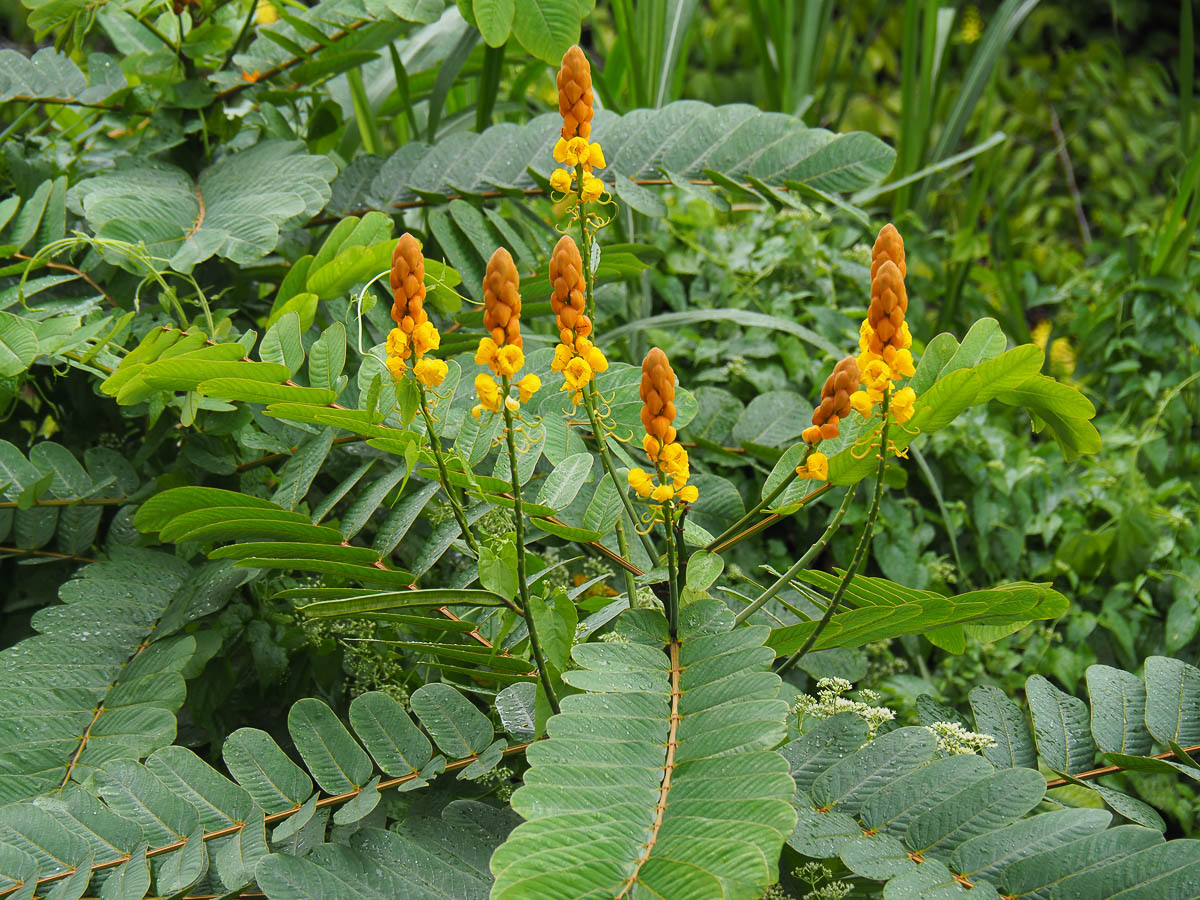
Senna alata belongs to the Fabaceae (Legume) family. It grows as a large shrub or small tree, often reaching 2–3 meters in height. The plant’s most recognizable feature is its upright yellow flower spikes, which resemble glowing candles - hence the name Candle Bush.
The leaves are compound and oval-shaped, and the pods contain several seeds. Every part of the plant - the leaves, flowers, seeds, and roots - is used in traditional medicine, though the leaves are the most potent and commonly applied.
It is often called by various names:
-
English: Candle Bush, Empress Candle Plant, Ringworm Bush
-
Spanish: Acapulco
-
Tagalog: Akapulko
-
Hindi: Dadmari or Ghaneri
-
Vietnamese: Cây Muồng trâu
2. Traditional and Modern Uses
Senna alata has been used across many traditional healing systems - Ayurvedic, African, Filipino, and Latin American folk medicine - primarily as a skin remedy. In modern times, scientific research has confirmed many of these traditional claims, showing its effectiveness against fungal infections, inflammation, and even certain metabolic conditions.
3. The Phytochemical Powerhouse
The healing potential of Senna alata lies in its rich phytochemical composition, which includes:
-
Chrysophanol – antifungal and anti-inflammatory compound
-
Aloe-emodin – antibacterial and wound-healing agent
-
Kaempferol and quercetin – powerful antioxidants
-
Saponins and tannins – support immune response and skin repair
-
Anthraquinones – natural laxatives and antimicrobial agents
These compounds work synergistically to protect the body from infections, inflammation, and oxidative stress.

4. 30 Impressive Benefits of Senna Alata
A. Skin and External Benefits
-
Treats fungal infections such as ringworm, athlete’s foot, and jock itch.
-
Heals eczema and psoriasis through anti-inflammatory action.
-
Soothes insect bites and rashes by reducing redness and swelling.
-
Promotes wound healing and prevents secondary infection.
-
Helps fade scars by stimulating skin cell regeneration.
-
Acts as a natural antiseptic for cuts and abrasions.
-
Relieves skin itching caused by allergic reactions.
-
Cleanses the scalp and may reduce dandruff when used as a herbal rinse.
B. Digestive and Internal Benefits
-
Works as a natural laxative, promoting regular bowel movements.
-
Detoxifies the digestive system, cleansing the colon of waste buildup.
-
Improves liver function by stimulating bile flow and protecting against toxins.
-
Reduces stomach bloating and aids digestion.
-
Supports weight loss by improving metabolism and reducing fluid retention.
C. Antimicrobial and Immune Benefits
-
Kills bacteria and fungi, helping the body fight off infections.
-
Prevents candida overgrowth in the intestines and on the skin.
-
Boosts the immune system through antioxidant support.
-
Reduces inflammation throughout the body.
-
Helps fight fever and flu when consumed as a herbal tea.
D. Metabolic and Systemic Benefits
-
Lowers blood sugar levels naturally — helpful for those with mild diabetes.
-
Supports healthy blood pressure by promoting better circulation.
-
Reduces cholesterol levels, improving heart health.
-
Acts as a mild diuretic, helping flush excess salt and water from the body.
-
Improves kidney function and assists in toxin elimination.
E. Reproductive and Hormonal Benefits
-
Supports women’s reproductive health, easing menstrual discomfort.
-
Balances hormones and reduces PMS-related inflammation.
-
Promotes detoxification after childbirth in traditional herbal practice.
F. General Health and Wellness
-
Relieves joint and muscle pain when applied topically.
-
Reduces oxidative stress that accelerates aging.
-
Helps with respiratory conditions, such as cough and bronchitis.
-
Enhances overall vitality, improving the body’s natural resilience.
5. Easy Homemade Uses of Senna Alata
1. Herbal Skin Ointment for Ringworm or Fungal Infections
Ingredients:
-
Fresh Senna alata leaves (a handful)
-
Coconut oil or olive oil
Instructions:
-
Crush the leaves into a thick paste.
-
Mix with a small amount of coconut oil.
-
Apply to affected skin twice daily.
-
Continue for 1–2 weeks until infection clears.
Result: Visible reduction in itching, redness, and flaking within days.
2. Senna Alata Herbal Bath
Purpose: Detoxifies the skin and relieves itching.
Instructions:
-
Boil 2–3 handfuls of Senna alata leaves in 3 liters of water for 10 minutes.
-
Let cool to a comfortable temperature.
-
Use as your final rinse when bathing.
Result: Smooth, clean skin and reduced irritation.
3. Senna Alata Tea for Detox and Digestion
Ingredients:
-
3–5 dried Senna alata leaves
-
2 cups of water
-
Optional: honey or lemon for flavor
Instructions:
-
Boil the leaves in water for 5–10 minutes.
-
Strain and drink warm, once every 2–3 days.
Caution:
Do not drink daily - overuse can lead to diarrhea due to its strong laxative properties.
4. Scalp and Hair Cleanser
Purpose: To remove dandruff and refresh the scalp.
Instructions:
-
Crush a few Senna alata leaves and mix with aloe vera gel.
-
Massage into the scalp for 10–15 minutes.
-
Rinse thoroughly with warm water.
Result: A clean, itch-free scalp and shinier hair.
5. Joint Pain Balm
Ingredients:
-
Fresh Senna alata leaves
-
Warm sesame or coconut oil
Instructions:
-
Grind leaves and mix with warm oil.
-
Apply the mixture to sore joints.
-
Cover with a clean cloth to retain warmth.
Result: Relieves stiffness and promotes circulation.
6. Safety Precautions
Although natural, Senna alata should be used responsibly.
-
Avoid long-term internal use due to its strong laxative effects.
-
Pregnant or breastfeeding women should consult a doctor before use.
-
Always perform a patch test before applying topically to avoid skin sensitivity.
7. Final Thoughts
Senna alata is a true gift from nature - a plant that combines beauty, healing, and sustainability. From treating stubborn skin infections to supporting digestion and immunity, it offers an incredible range of benefits that bridge traditional wisdom and modern science.
By learning how to use this healing Candle Bush safely and effectively at home, anyone can enjoy its remarkable health-promoting properties.
If you’re looking for a natural, affordable, and versatile herbal remedy, Senna alata deserves a permanent place in your garden - and in your daily wellness routine.
