Fatty liver disease is often called a “quiet” condition because it can progress for years without clear symptoms. Many people only discover it during routine blood tests or an ultrasound. But once liver damage becomes severe, the body may begin showing warning signs in unexpected areas—especially in the feet and legs. The headline in the image states: “A warning sign in your feet could mean fatty liver damage is no longer reversible.”
This message is dramatic, but it reflects a real medical concern: advanced liver disease can cause swelling, circulation changes, and fluid buildup, which often appear first in the lower body. While fatty liver disease can often be improved—especially in early stages—late-stage scarring (cirrhosis) may not be reversible. That is why recognizing warning signs early is crucial.
What Is Fatty Liver Disease—and When Does It Become Dangerous?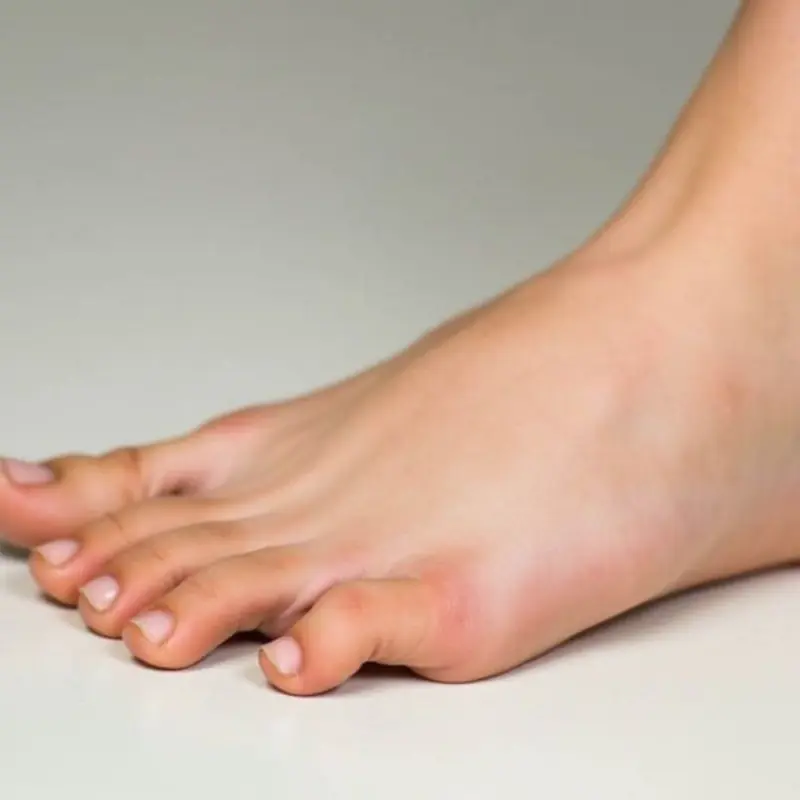
Fatty liver disease happens when excess fat builds up in liver cells. It can be caused by alcohol (alcohol-related liver disease) or by metabolic factors such as obesity, high cholesterol, insulin resistance, and type 2 diabetes (non-alcoholic fatty liver disease, or NAFLD).
In many cases, fatty liver is reversible with lifestyle changes. However, when inflammation continues, the condition can progress from:
-
Fatty liver (steatosis)
-
Inflammation (steatohepatitis)
-
Fibrosis (scar tissue forms)
-
Cirrhosis (severe scarring and permanent damage)
It is in the later stages—fibrosis and cirrhosis—when the body may begin showing visible signs, including changes in the feet.
The Foot Warning Sign: Swelling (Edema) in the Ankles and Feet
One of the most important signs linked with advanced liver disease is swelling in the lower legs, ankles, and feet, known as peripheral edema. This occurs when the liver can no longer properly regulate fluid and protein levels in the blood.
The liver normally produces albumin, a protein that helps keep fluid inside blood vessels. When albumin drops, fluid leaks into surrounding tissues, often pooling in the feet due to gravity. At the same time, increased pressure in the liver’s blood flow system (portal hypertension) may contribute to fluid buildup.
What it may look like:
-
Puffy feet and ankles
-
Shoes feeling tighter than usual
-
Swelling that leaves an indentation when pressed (pitting edema)
-
Worse swelling after standing or sitting for long periods
This symptom does not automatically mean liver failure, but persistent swelling should never be ignored, especially in people with known fatty liver disease.
Other Symptoms That Often Appear Alongside Foot Swelling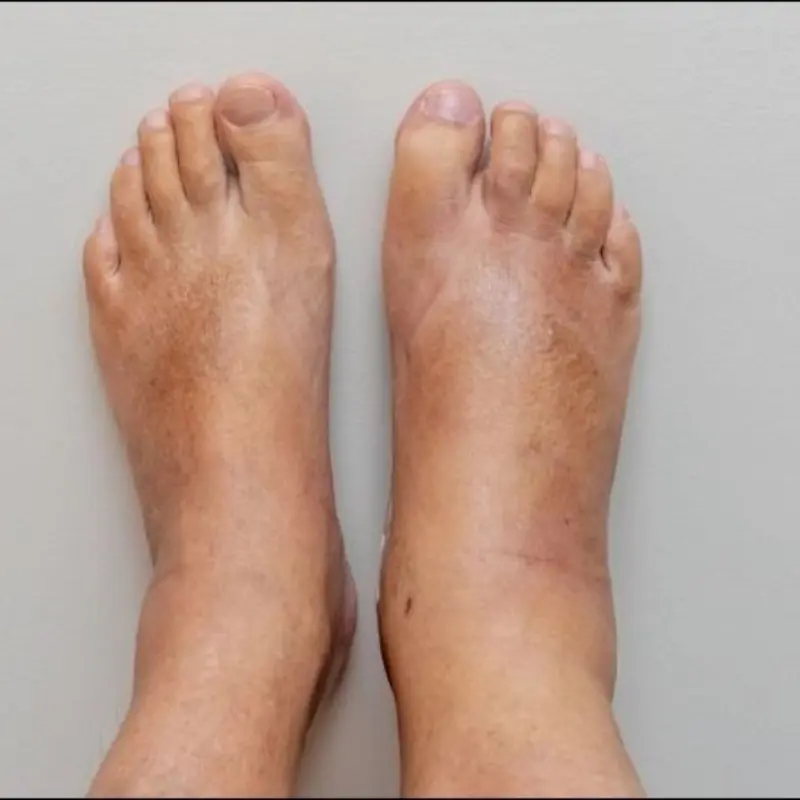
If edema is related to liver dysfunction, it may be accompanied by additional warning signs, including:
-
Abdominal swelling (ascites) due to fluid buildup
-
Yellow skin or eyes (jaundice)
-
Easy bruising or bleeding
-
Persistent fatigue and weakness
-
Loss of appetite or unexplained weight loss
-
Itchy skin
-
Confusion or forgetfulness (hepatic encephalopathy in severe cases)
If foot swelling appears together with these symptoms, medical evaluation becomes even more urgent.
Why This Can Signal “No Longer Reversible” Damage
Early fatty liver is often reversible. But when the liver develops extensive fibrosis or cirrhosis, scar tissue replaces healthy liver tissue. Unlike fat accumulation, severe scarring is difficult to reverse and can lead to long-term complications.
That is why this foot sign is important: it may suggest the liver has reached a stage where it is struggling to manage fluid balance—an indicator that the condition has progressed.
What to Do If You Notice This Symptom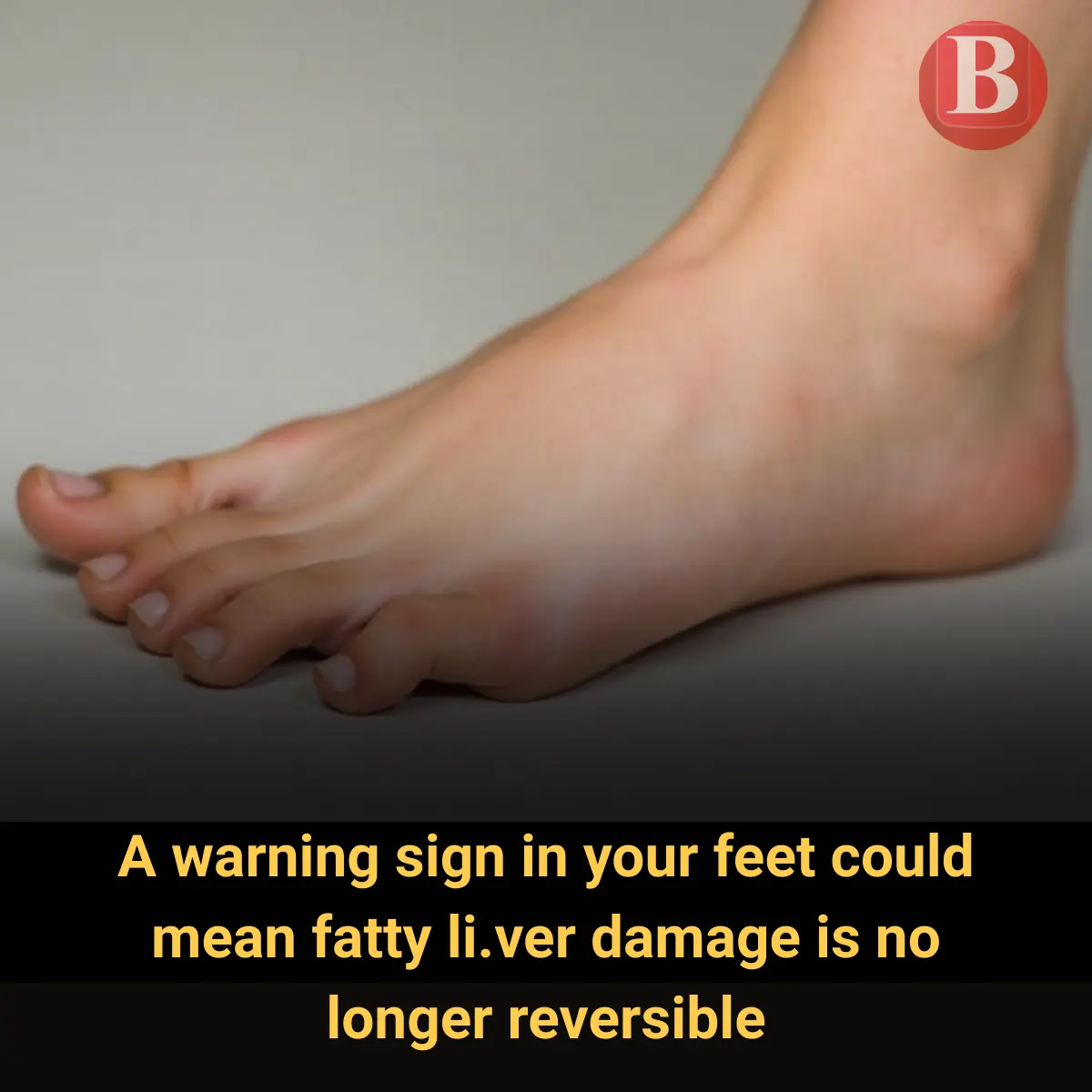
If you frequently experience swelling in your feet or ankles, don’t rely on guesswork. Edema can also be caused by heart problems, kidney disease, blood clots, or medications. You should seek medical advice, especially if swelling is new or worsening.
Doctors may recommend:
-
Liver function blood tests
-
Ultrasound or FibroScan
-
Albumin and clotting tests
-
Screening for diabetes, cholesterol, and obesity-related risks
Steps to Protect Your Liver Before It’s Too Late
If you are diagnosed with fatty liver disease, lifestyle changes can make a major difference:
-
Lose weight safely (even 5–10% weight loss can help)
-
Limit alcohol or avoid it completely
-
Reduce sugar and refined carbs
-
Increase fiber and lean protein
-
Exercise regularly (walking and strength training)
-
Control cholesterol and blood sugar
-
Follow medical checkups for long-term monitoring